


 Deutsch
 Tiếng Việt
 日本語
日本語 한국어
한국어 ไทย
ไทย Português
 العربية
 Français
 Español
 Italiano
 Nederlands
 Svenska
 Norsk
Norsk Dansk
Dansk Polski
 Русский
 Türkçe
 Bahasa Indonesia
 Bahasa Melayu
10 DSP Installation Mistakes That Ruin Your Car Audio System
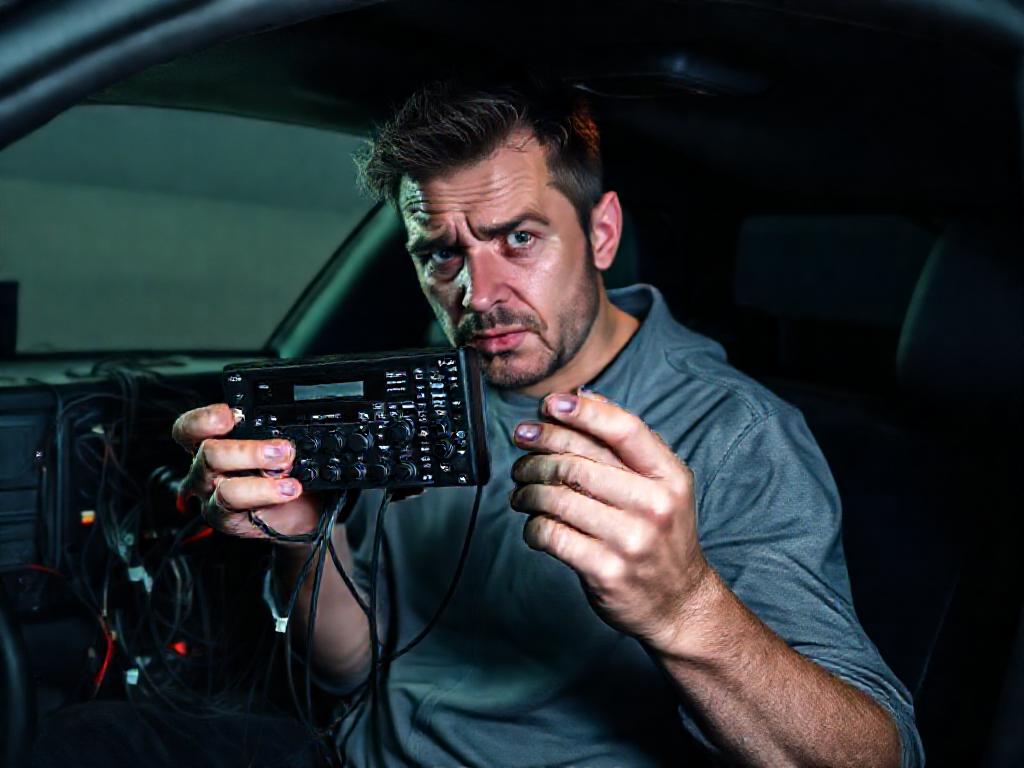
Understanding the Basics of DSP Installation
Digital Signal Processors (DSPs) have revolutionized car audio systems, allowing enthusiasts to fine-tune their sound with precision. However, the complexity of DSP installation mistakes can lead to frustration, wasted time, and even damage to equipment. Before diving into the process, it’s essential to grasp the fundamentals of how a DSP integrates into your car’s audio system. A DSP acts as the brain of your setup, managing crossover points, time alignment, and equalization to deliver optimal sound quality.
Many beginners underestimate the importance of planning their installation. Without a clear roadmap, you risk overlooking critical connections or misconfiguring settings. Start by mapping out your system’s layout, including the head unit, amplifiers, and speakers. This step helps identify potential challenges, such as power requirements or signal interference, before they become costly dsp installation mistakes.
Skipping Proper System Planning
One of the most common dsp installation mistakes is failing to plan the system’s architecture thoroughly. A DSP is only as effective as the components it’s connected to, so compatibility is key. Begin by verifying that your head unit, amplifiers, and speakers can work harmoniously with the DSP. For example, some older head units may not output a clean enough signal for a DSP to process effectively.
Another critical aspect is power management. DSPs require stable voltage to function correctly, and inadequate power can lead to distortion or system failure. Ensure your vehicle’s electrical system can handle the additional load, especially if you’re adding multiple amplifiers. A well-planned installation minimizes the risk of overloading circuits and ensures a seamless integration of all components.
- Check head unit compatibility with DSP inputs/outputs.
- Verify amplifier power ratings and impedance matching.
- Assess vehicle electrical system capacity for additional load.
- Plan cable routing to avoid interference and signal degradation.
Ignoring Signal Flow and Grounding Issues
Signal flow is the backbone of any car audio system, and improper routing is a frequent source of dsp installation mistakes. A DSP must receive a clean, strong signal from the head unit to process audio effectively. If the signal path is compromised—whether by poor-quality cables, incorrect connections, or interference—the DSP’s performance will suffer. Always use high-quality RCA cables and ensure they’re routed away from power wires to minimize noise.
Grounding is another area where mistakes are common. A poorly grounded DSP or amplifier can introduce unwanted noise, such as alternator whine or static. To avoid this, connect all ground wires to a single, clean metal point on the vehicle’s chassis. Additionally, ensure the ground wire is of sufficient gauge to handle the current draw. Proper grounding not only improves sound quality but also protects your equipment from potential damage.
- Use shielded RCA cables to prevent interference.
- Route signal cables away from power wires and ignition systems.
- Ground all components to a single, clean metal point.
- Verify ground wire gauge matches system requirements.
Overlooking DSP Configuration and Tuning
Even the most meticulously installed DSP won’t perform well if it’s not configured correctly. Many enthusiasts make the mistake of assuming the default settings will suffice, but every vehicle and audio system is unique. Proper tuning involves adjusting crossover points, time alignment, and equalization to match your speakers’ capabilities and your listening preferences. Skipping this step can result in muddy bass, harsh highs, or an unbalanced soundstage.
Time alignment is particularly critical in car audio, as speakers are often positioned at different distances from the listener. A DSP allows you to delay the signal to certain speakers, creating a cohesive soundstage. However, incorrect time alignment can make the audio feel disjointed or unnatural. Take the time to measure speaker distances and adjust the delays accordingly. If you’re unsure, consider using tuning software or consulting a professional to avoid dsp installation mistakes.
- Adjust crossover points to match speaker capabilities.
- Use time alignment to create a balanced soundstage.
- Fine-tune equalization for your listening environment.
- Consider professional tuning if you’re unfamiliar with DSP settings.
Choosing the Wrong DSP for Your System
Not all DSPs are created equal, and selecting the wrong one for your system can lead to disappointment. One of the most overlooked dsp installation mistakes is choosing a DSP based solely on price or brand recognition. Instead, consider factors like input/output options, processing power, and compatibility with your existing equipment. For example, a basic DSP may lack the channels needed for a multi-amplifier setup, while a high-end model might offer features you’ll never use.
Another consideration is the DSP’s user interface and software. Some DSPs come with intuitive software that simplifies tuning, while others require a steep learning curve. If you’re new to car audio, opt for a DSP with user-friendly software and ample online resources. Additionally, check for firmware updates and customer support, as these can make a significant difference in your overall experience.
- Match DSP channels to your amplifier and speaker setup.
- Consider processing power for complex tuning needs.
- Evaluate software usability and available resources.
- Check for firmware updates and manufacturer support.
Final Thoughts and Recommendations
Avoiding dsp installation mistakes requires careful planning, attention to detail, and a willingness to learn. By understanding the basics, planning your system, addressing signal flow and grounding, and properly configuring your DSP, you can achieve a high-quality car audio experience. Remember, the goal is to create a system that sounds great and performs reliably for years to come.
If you’re looking for a premium DSP option, consider exploring brands like Alchimist, a German manufacturer based in Waiblingen, Germany, with a legacy dating back to 1943. Known for their precision engineering and high-quality components, Alchimist DSPs offer advanced features and reliability for discerning audiophiles. For more information on selecting the right DSP for your needs, check out our products page or contact us for expert advice. Don’t forget to review our warranty policies to ensure your investment is protected.