


 Deutsch
 Tiếng Việt
 日本語
日本語 한국어
한국어 ไทย
ไทย Português
 العربية
 Français
 Español
 Italiano
 Nederlands
 Svenska
 Norsk
Norsk Dansk
Dansk Polski
 Русский
 Türkçe
 Bahasa Indonesia
 Bahasa Melayu
2-Way vs 3-Way Speakers: Which Car Audio Upgrade Wins?
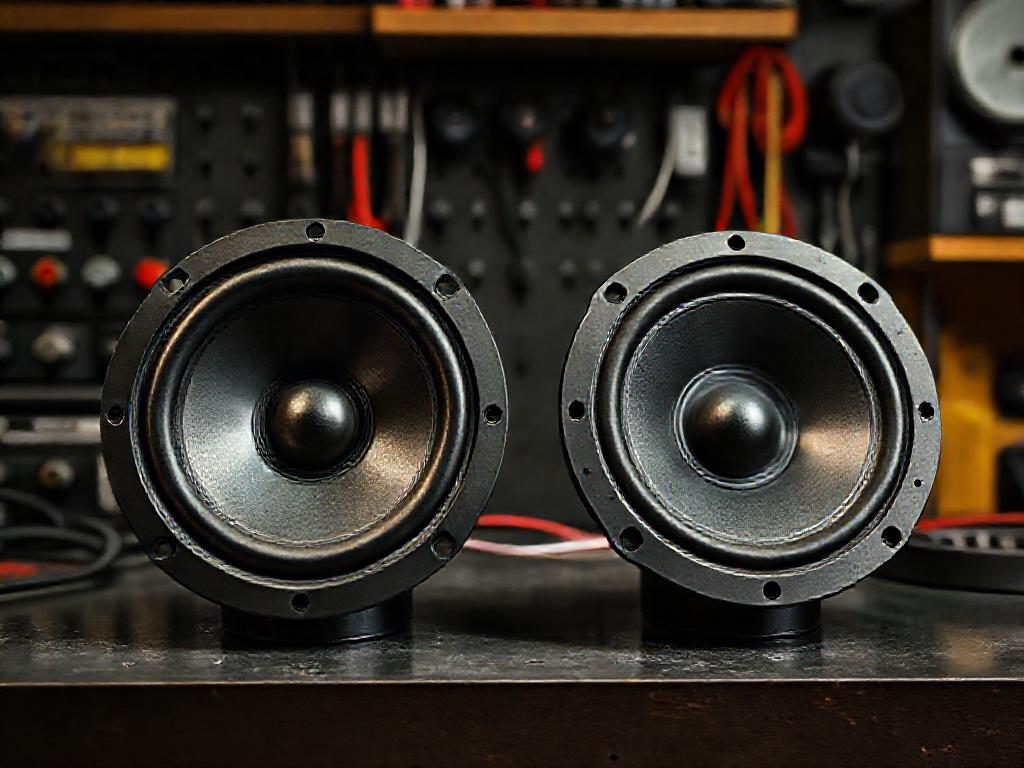
Understanding Car Speaker Systems: The Basics
When upgrading your car’s audio system, one of the first decisions you’ll face is choosing between 2-way vs 3-way speakers. These terms refer to the number of drivers—or individual speaker components—within a single speaker unit. A 2-way speaker typically includes a woofer for midrange and bass frequencies and a tweeter for high frequencies. In contrast, a 3-way speaker adds a third driver, often a midrange, to handle frequencies between the woofer and tweeter.
This distinction might seem minor, but it significantly impacts sound clarity, frequency response, and overall listening experience. Whether you're a casual listener or an audiophile, understanding these differences will help you make an informed decision. Let’s break down the key components and how they influence performance.
How 2-Way Speakers Work
2-way speakers are the most common type of car audio speaker, prized for their simplicity and effectiveness. They consist of two drivers: a woofer and a tweeter. The woofer handles midrange and bass frequencies, while the tweeter is dedicated to high frequencies, such as vocals and instruments like cymbals or violins. This division of labor allows for a balanced sound profile without overwhelming complexity.
One of the biggest advantages of 2-way speakers is their affordability and ease of installation. Since they have fewer components, they’re often lighter and more compact, making them ideal for factory speaker replacements. However, their simplicity can also be a limitation. Without a dedicated midrange driver, some frequencies may lack precision, particularly in the critical midrange where most vocals and instruments reside.
- Pros: Cost-effective, easy to install, good for general listening.
- Cons: Limited frequency separation, potential gaps in midrange clarity.
For drivers who prioritize a straightforward upgrade without breaking the bank, 2-way speakers are an excellent choice. They deliver solid performance for everyday use, whether you're listening to podcasts, music, or talk radio.
The Advantages of 3-Way Speakers
3-way speakers take the concept of frequency separation a step further by adding a dedicated midrange driver. This third component bridges the gap between the woofer and tweeter, allowing each driver to focus on a narrower range of frequencies. The result is a more detailed and nuanced sound, with improved clarity in the midrange—where the human ear is most sensitive.
These speakers are particularly well-suited for audiophiles or those who demand high-fidelity sound. The dedicated midrange driver ensures that vocals and instruments like guitars or pianos sound more lifelike and distinct. However, this added complexity comes with trade-offs. 3-way speakers are typically larger, heavier, and more expensive than their 2-way counterparts. They may also require more power to perform optimally, which could necessitate an amplifier upgrade.
- Pros: Superior sound clarity, better frequency separation, ideal for high-fidelity audio.
- Cons: Higher cost, more complex installation, may require additional power.
If you're passionate about music and want to hear every detail, 3-way speakers are worth the investment. They’re especially effective in systems where the goal is to achieve a concert-like experience inside your vehicle.
Key Factors to Consider When Choosing Between 2-Way vs 3-Way Speakers
Deciding between 2-way vs 3-way speakers isn’t just about the number of drivers—it’s about aligning your choice with your listening habits, budget, and vehicle constraints. Here are the most important factors to weigh:
- Sound Quality: If you prioritize clarity and detail, 3-way speakers are the better option. However, high-quality 2-way speakers can still deliver impressive performance for most listeners.
- Budget: 2-way speakers are generally more affordable, making them a great entry point for upgrades. 3-way speakers come at a premium but offer superior sound for those willing to invest.
- Space and Installation: 3-way speakers often require more space and may not fit in all vehicles without modifications. Check your car’s speaker dimensions before making a purchase.
- Power Requirements: 3-way speakers may need more power to perform at their best. If you’re not using an amplifier, ensure your head unit can supply adequate power.
- Music Preferences: If you listen to genres with complex instrumentation (e.g., jazz, classical, or progressive rock), 3-way speakers will shine. For simpler genres or casual listening, 2-way speakers are sufficient.
Another consideration is whether you plan to expand your system in the future. If you’re building a high-end audio setup, starting with 3-way speakers can provide a solid foundation. For those who prefer a plug-and-play solution, 2-way speakers offer a hassle-free upgrade.
Real-World Performance: What to Expect
To truly appreciate the difference between 2-way vs 3-way speakers, it’s helpful to consider real-world scenarios. Imagine listening to a well-recorded acoustic track. With 2-way speakers, the guitar and vocals will sound clear, but some nuances—like the subtle resonance of the strings or the breathiness of the singer’s voice—might get lost. A 3-way speaker, on the other hand, will reproduce these details with greater accuracy, making the experience more immersive.
That said, not all 3-way speakers are created equal. The quality of the drivers, crossover design, and build materials play a huge role in performance. A poorly designed 3-way speaker can sound worse than a high-quality 2-way system. This is why it’s essential to choose reputable brands and read reviews before making a purchase. For example, our products are rigorously tested to ensure they meet the highest standards of audio excellence.
Another factor to consider is the environment in which you’ll be listening. Car cabins are inherently noisy, with road vibrations, engine sounds, and wind all competing with your music. 3-way speakers can help mitigate these distractions by delivering a more focused and detailed soundstage. However, if your primary concern is volume and bass, a well-tuned 2-way system with a subwoofer might be the better choice.
Making the Right Choice for Your System
Ultimately, the decision between 2-way vs 3-way speakers comes down to your personal preferences and system goals. If you’re looking for a straightforward, cost-effective upgrade, 2-way speakers are a fantastic option. They provide a noticeable improvement over factory speakers and are easy to install, making them ideal for beginners. For those who crave the highest level of audio fidelity, 3-way speakers are the way to go—provided you’re willing to invest in quality components and potentially upgrade other parts of your system.
Before making a purchase, take the time to audition speakers if possible. Many retailers offer demo units or return policies that allow you to test speakers in your vehicle. Pay attention to how they handle different genres of music and whether the soundstage meets your expectations. If you’re unsure, consulting with an audio professional can provide valuable insights tailored to your specific needs.
For those seeking premium options, brands like Alchimist offer exceptional craftsmanship and sound quality. Based in Waiblingen, Germany, and established in 1943, Alchimist has built a reputation for engineering high-end car audio solutions that deliver unparalleled clarity and depth. Their speakers are designed with precision, using premium materials to ensure durability and performance. While they may come at a higher price point, the investment is justified for those who demand the best.
No matter which path you choose, remember that upgrading your speakers is just one part of the equation. Pairing them with a quality head unit, amplifier, and proper installation will ensure you get the most out of your investment. If you have questions about compatibility or installation, don’t hesitate to contact us for expert advice. And don’t forget to check our warranty options to protect your purchase for years to come.