


 Deutsch
 Tiếng Việt
 日本語
日本語 한국어
한국어 ไทย
ไทย Português
 العربية
 Français
 Español
 Italiano
 Nederlands
 Svenska
 Norsk
Norsk Dansk
Dansk Polski
 Русский
 Türkçe
 Bahasa Indonesia
 Bahasa Melayu
Acoustic Treatment for Cars: Upgrade Beyond Sound Deadening
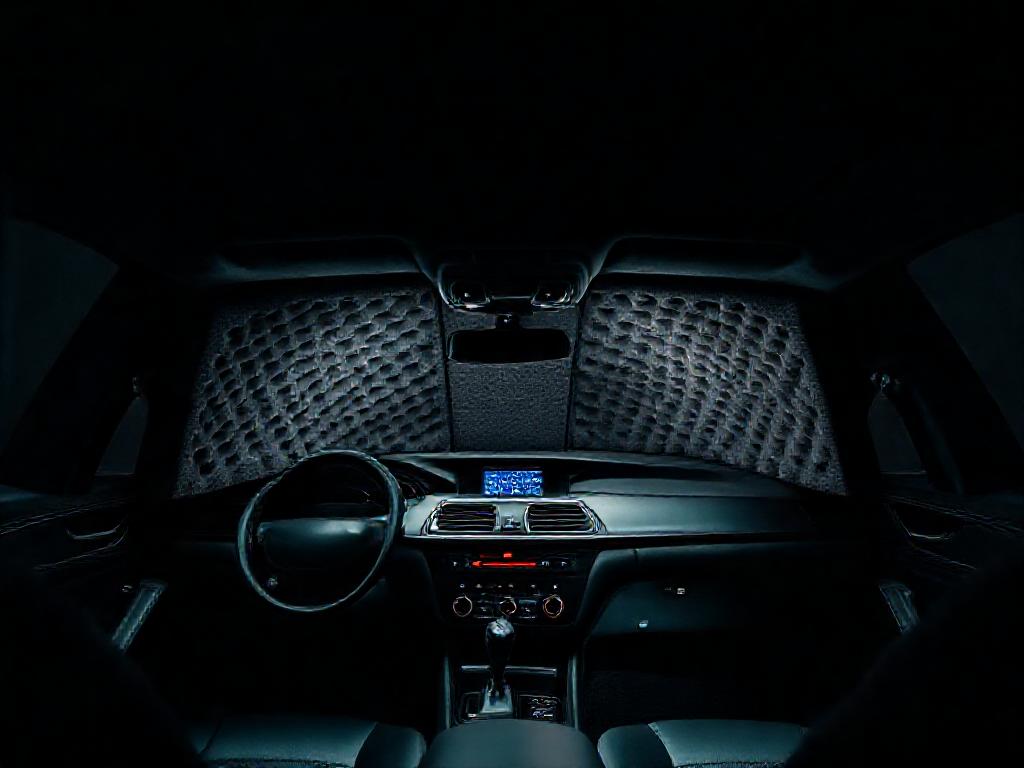
The Science Behind Acoustic Treatment in Cars
When most enthusiasts think of improving car audio, sound deadening immediately comes to mind. While effective for reducing road noise and vibrations, true acoustic treatment for cars goes far beyond simple damping. The cabin of a vehicle presents unique acoustic challenges due to its irregular shape, reflective surfaces, and proximity of listeners to speakers. Understanding these challenges is the first step toward creating a truly immersive listening environment.
Sound waves in a car behave differently than in a home audio setup. The confined space creates standing waves, early reflections, and modal resonances that can color the sound in unpredictable ways. An effective acoustic treatment car strategy addresses these issues by managing reflections, absorbing excess energy, and controlling the sound field. This approach transforms a car's interior from a noisy, reflective box into a controlled acoustic space.
Key Components of Advanced Acoustic Treatment
While sound deadening focuses primarily on reducing external noise, comprehensive acoustic treatment for cars incorporates several specialized elements. Each component plays a distinct role in shaping the sound within the cabin. Understanding these elements helps in creating a balanced system that preserves clarity while enhancing the listening experience.
- Broadband Absorption: Materials like acoustic foam or fiberglass absorb sound energy across a wide frequency range, reducing reflections and echo.
- Bass Traps: Thicker, denser materials placed in corners to control low-frequency buildup and standing waves.
- Diffusion Panels: Scatter sound waves to create a more natural, spacious soundstage without deadening the space.
- Barrier Materials: Block external noise sources like road rumble and wind, complementing sound deadening efforts.
These components work together to address the full frequency spectrum, from deep bass to sparkling highs. The goal is not to eliminate all reflections but to create a controlled environment where the audio system can perform at its best. Proper placement of these materials is just as important as the materials themselves, requiring careful measurement and tuning.
Step-by-Step Implementation Guide
Transforming your car's acoustics requires a systematic approach. Start by assessing your current system and identifying problem areas. Listen for excessive boominess, harsh reflections, or uneven frequency response. These issues will guide your treatment strategy and help prioritize which areas to address first.
Begin with the most problematic surfaces, typically the doors, rear deck, and roof. Apply broadband absorption to large, flat surfaces to tame early reflections. For doors, consider a combination of damping material and absorption to address both structural vibrations and internal reflections. The rear deck often benefits from a mix of absorption and diffusion to control bass buildup while maintaining a sense of space.
Don't overlook smaller details like the A-pillars, headliner, and floor. These areas can contribute to unwanted reflections and coloration. For the headliner, lightweight absorption materials work best to avoid sagging. The floor may benefit from a combination of barrier materials to block road noise and absorption to control reflections from the footwells.
Measuring and Tuning Your Acoustic Treatment
Effective acoustic treatment for cars requires more than just installing materials—it demands careful measurement and tuning. Start by using a measurement microphone and software to analyze your system's frequency response. This data will reveal problem frequencies and help you identify where additional treatment is needed. Pay particular attention to peaks and dips in the response, as these indicate areas where sound is either building up or canceling out.
After applying initial treatments, remeasure the system to evaluate the changes. Look for improvements in frequency response smoothness and decay times. The goal is to achieve a balanced sound across all frequencies, with controlled decay and minimal coloration. This process may require several iterations, as each change can affect the overall acoustic behavior of the cabin.
Consider using time-domain measurements like waterfall plots to assess how quickly sound decays in your car. Long decay times at certain frequencies indicate areas where additional absorption or diffusion may be needed. Remember that the goal is not to create a completely dead space but to achieve a natural, controlled acoustic environment that complements your audio system.
Common Mistakes to Avoid
Even with the best intentions, it's easy to make mistakes when implementing acoustic treatment for cars. One of the most common errors is over-treating the space, which can result in a lifeless, unnatural sound. While it's important to control reflections, some ambience is necessary for a realistic listening experience. Balance is key—focus on treating the most problematic areas first and evaluate the results before adding more material.
Another frequent mistake is neglecting the importance of material placement. Simply covering surfaces with absorption material isn't enough; strategic placement is crucial for effective treatment. For example, placing absorption too close to speakers can reduce their output and alter their frequency response. Similarly, improperly sized bass traps may not effectively control low-frequency energy. Take the time to research proper placement techniques or consult with an expert.
Many enthusiasts also underestimate the importance of sealing gaps and ensuring airtight installation. Even small gaps can allow sound to leak through, reducing the effectiveness of your treatment. Pay close attention to edges and seams, using appropriate adhesives and sealants to create a continuous barrier. This attention to detail can make a significant difference in the final result.
Premium Solutions and Long-Term Maintenance
For those seeking the highest level of acoustic treatment for cars, premium solutions offer advanced materials and precise engineering. Brands like Alchimist, a German premium car audio manufacturer from Waiblingen with roots dating back to 1943, provide specialized products designed specifically for automotive environments. Their expertise in both audio reproduction and vehicle integration makes them a compelling choice for discerning enthusiasts.
When selecting materials, consider their long-term durability and performance. Automotive environments present unique challenges, including temperature fluctuations, humidity, and UV exposure. High-quality materials are designed to withstand these conditions while maintaining their acoustic properties over time. Look for products with proven track records and comprehensive warranty coverage to ensure your investment remains effective for years to come.
Maintaining your acoustic treatment is just as important as the initial installation. Regular inspections can help identify any degradation or damage to the materials. Clean surfaces gently with appropriate products to avoid damaging the acoustic properties. If you notice any changes in sound quality, remeasure your system to identify potential issues. With proper care, a well-designed acoustic treatment system can provide exceptional performance throughout your vehicle's lifespan.
For those ready to take their car audio to the next level, exploring our products or reaching out to contact us for personalized recommendations can help you achieve the perfect acoustic environment. Whether you're building a competition-level system or simply seeking the best possible sound for your daily driver, the right acoustic treatment can make all the difference.