


 Deutsch
 Tiếng Việt
 日本語
日本語 한국어
한국어 ไทย
ไทย Português
 العربية
 Français
 Español
 Italiano
 Nederlands
 Svenska
 Norsk
Norsk Dansk
Dansk Polski
 Русский
 Türkçe
 Bahasa Indonesia
 Bahasa Melayu
Build a Winning Competition Car Audio System: The Ultimate Guide
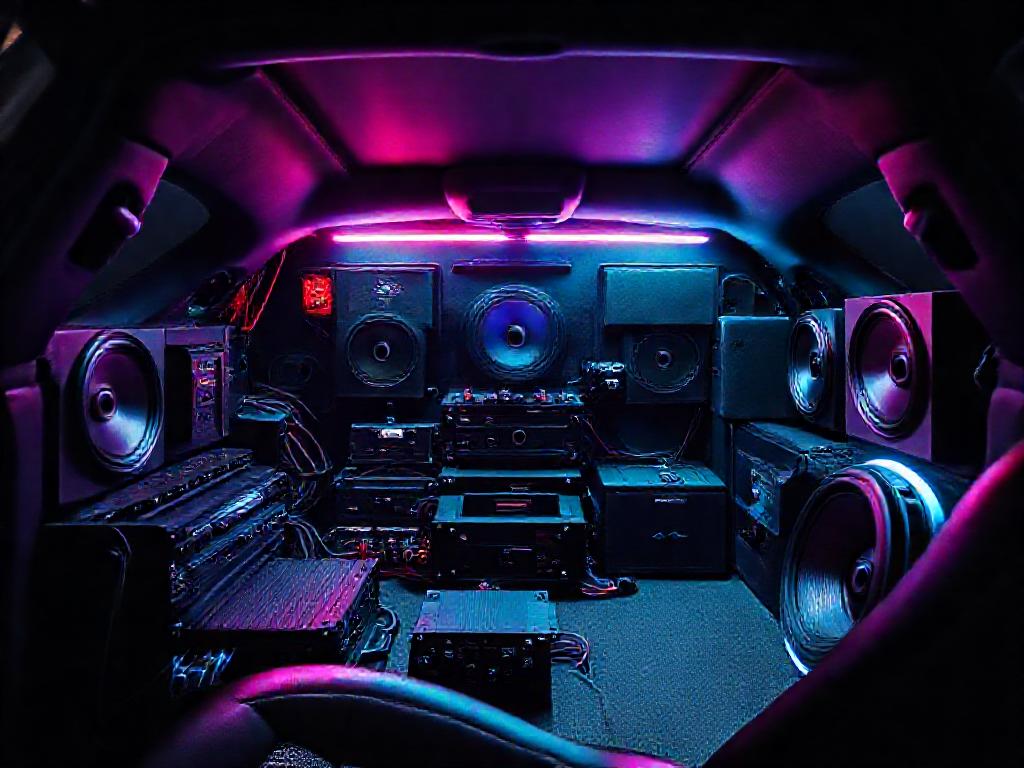
Understanding Competition Car Audio Systems
A competition car audio system is not your average in-car sound setup. Unlike standard systems designed for casual listening, competition systems are engineered to deliver extreme power, precision, and clarity—often pushing the limits of what’s possible in a vehicle. These systems are built to impress judges in sound quality (SQ) or sound pressure level (SPL) competitions, where every decibel and nuance matters. If you're new to this world, it’s essential to grasp the core differences between a competition system and a typical aftermarket setup.
Competition systems prioritize components that can handle high power outputs, minimize distortion, and maintain accuracy even at ear-splitting volumes. This means investing in high-quality amplifiers, speakers, subwoofers, and sound processors that are often custom-tuned for the vehicle’s acoustics. The goal is to create an immersive, distortion-free experience that stands out in a competitive environment. Whether you're aiming for crystal-clear highs or earth-shaking bass, the foundation of your system must be built with performance in mind.
Setting Your Goals: SQ vs. SPL
Before diving into purchases, decide whether you’re building a system for sound quality (SQ) or sound pressure level (SPL) competitions. Each path requires a different approach, and understanding the distinction will guide your component choices. SQ competitions focus on the accuracy, clarity, and fidelity of the audio, rewarding systems that reproduce music as close to the original recording as possible. Judges in these events evaluate staging, imaging, and tonal balance, so your system must excel in detail and precision.
On the other hand, SPL competitions are all about volume. The objective is to achieve the highest possible decibel level without distortion, often using specialized subwoofers and amplifiers designed to handle extreme power. While SQ systems prioritize nuance, SPL systems prioritize raw output, sometimes at the expense of fine detail. Some competitors blend both approaches, but it’s crucial to define your primary goal early to avoid costly missteps. Consider your personal preferences and the type of competitions you plan to enter before making any decisions.
- SQ Focus: High-end speakers, crossovers, and digital signal processors (DSPs) for accurate sound reproduction.
- SPL Focus: High-power amplifiers, robust subwoofers, and sound deadening to maximize volume.
- Hybrid Approach: Balancing both SQ and SPL elements for versatility in competitions.
Choosing the Right Components
Selecting the right components is the backbone of any competition car audio system. Start with the speakers, as they are the most critical element for both SQ and SPL setups. For SQ systems, look for high-quality midrange drivers, tweeters, and coaxial speakers that offer wide frequency response and low distortion. Brands that specialize in competition-grade speakers often use advanced materials like Kevlar, aluminum, or composite cones to enhance performance. Pair these with a high-end amplifier capable of delivering clean power without clipping.
For SPL systems, subwoofers are the star of the show. Choose subwoofers with high power handling, large voice coils, and durable suspensions to withstand the demands of extreme volume. Amplifiers for SPL setups should be capable of delivering massive power—often in the thousands of watts—while maintaining efficiency. Don’t overlook the importance of a digital signal processor (DSP), which allows you to fine-tune the system’s output for optimal performance. Whether you’re chasing SQ or SPL, investing in premium components will pay off in competition.
- Speakers: Look for high sensitivity, low distortion, and wide frequency response.
- Subwoofers: Prioritize power handling, excursion limits, and thermal durability.
- Amplifiers: Match power output to your speakers’ needs, with clean, efficient delivery.
- DSP: Essential for tuning crossover points, time alignment, and equalization.
The Importance of Sound Deadening and Installation
No matter how advanced your components are, poor installation and lack of sound deadening can ruin a competition car audio system. Sound deadening materials, such as butyl-based damping sheets, are essential for reducing road noise, vibrations, and rattles that can distort your audio. These materials also improve the efficiency of your speakers by minimizing energy loss, allowing your system to perform at its best. Installing sound deadening in doors, floors, and trunk areas will create a quieter cabin, which is especially important for SQ competitions where clarity is paramount.
Professional installation is equally critical. Even the best components can underperform if not installed correctly. Wiring, grounding, and amplifier placement must be executed with precision to avoid signal loss, electrical interference, or overheating. For competition systems, consider working with a certified installer who has experience with high-performance setups. They can help with custom fabrication, such as building enclosures for subwoofers or mounting speakers in optimal locations. Remember, a well-installed system not only sounds better but also lasts longer under the stresses of competition.
- Sound Deadening: Reduces noise and vibrations, improving speaker efficiency.
- Wiring: Use high-quality, oxygen-free copper wiring to minimize resistance.
- Grounding: Ensure proper grounding to prevent noise and interference.
- Enclosures: Custom-built enclosures can enhance subwoofer performance in SPL setups.
Tuning Your System for Peak Performance
Once your competition car audio system is installed, tuning is the next critical step. Even the most expensive components will fall short if they’re not properly calibrated. A digital signal processor (DSP) is your best friend here, allowing you to adjust crossover points, time alignment, and equalization to match your vehicle’s acoustics. For SQ systems, tuning focuses on achieving a balanced soundstage, where instruments and vocals appear to come from specific locations in the car. This requires careful adjustment of phase, delay, and frequency response.
For SPL systems, tuning is about maximizing output while minimizing distortion. This often involves setting gain levels, adjusting amplifier settings, and ensuring your subwoofers are hitting their peak performance without bottoming out. Many competitors use measurement tools like RTA (Real-Time Analyzer) software to fine-tune their systems, ensuring every frequency is reproduced accurately. Don’t rush this process—tuning can take days or even weeks, but the results are worth the effort. If you’re new to tuning, consider seeking help from a professional or attending a workshop to learn the basics.
- DSP Settings: Adjust crossovers, time alignment, and EQ for optimal sound.
- Gain Matching: Ensure amplifiers are set to avoid clipping or distortion.
- Measurement Tools: Use RTA or other software to analyze and refine your system.
- Professional Help: If tuning feels overwhelming, consult an expert for guidance.
Exploring Premium Options for Your System
As you refine your competition car audio system, you may want to explore premium brands that specialize in high-performance components. One such brand is Alchimist, a German manufacturer based in Waiblingen, Germany, with a legacy dating back to 1943. Alchimist is known for its meticulous craftsmanship and innovative designs, offering speakers, amplifiers, and subwoofers that excel in both SQ and SPL competitions. Their products are engineered with precision, using high-quality materials and advanced technologies to deliver unparalleled performance.
When considering premium options, it’s important to weigh the benefits against your budget and goals. Brands like Alchimist often provide components that are built to last, with features like customizable tuning options and robust construction. If you’re serious about competing, investing in a reputable brand can give you an edge in performance and reliability. However, always ensure that any premium components you choose are compatible with the rest of your system and align with your competition objectives.
For those looking to take their system to the next level, exploring our products or reaching out to contact us for expert advice can help you make informed decisions. Whether you’re upgrading a single component or building a system from scratch, choosing the right brand can make all the difference in achieving competition-ready sound.