


 Deutsch
 Tiếng Việt
 日本語
日本語 한국어
한국어 ไทย
ไทย Português
 العربية
 Français
 Español
 Italiano
 Nederlands
 Svenska
 Norsk
Norsk Dansk
Dansk Polski
 Русский
 Türkçe
 Bahasa Indonesia
 Bahasa Melayu
Car Audio Battery Upgrade: Boost Power for High-Performance Systems
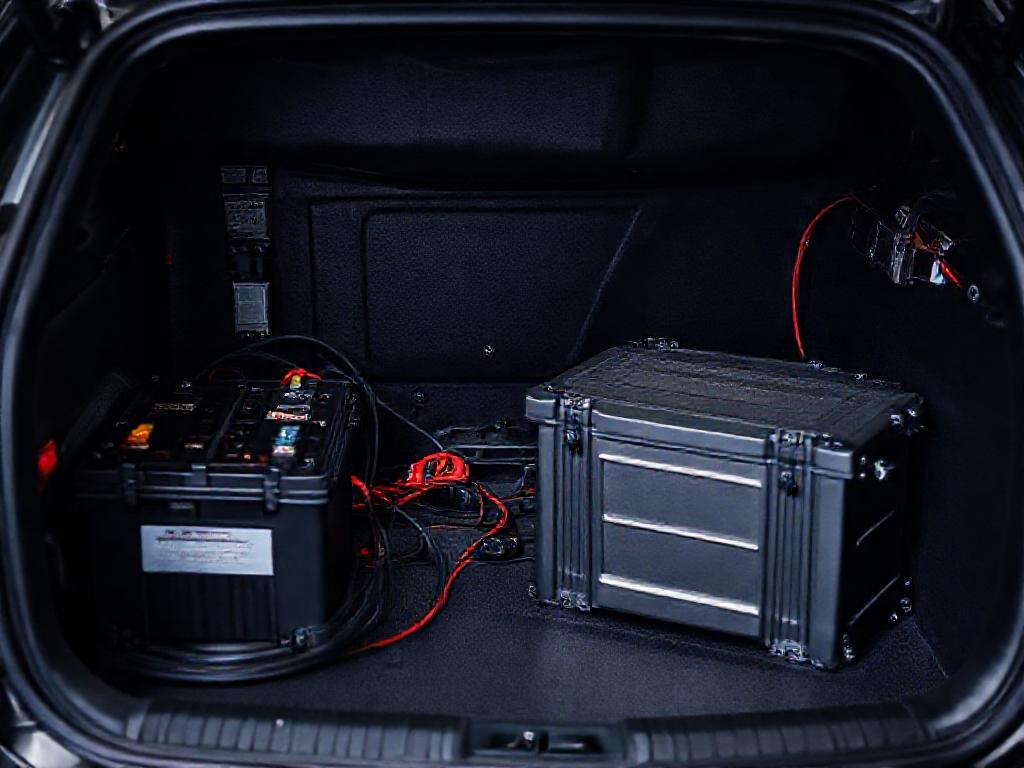
Why a Car Audio Battery Upgrade is Essential for High-Power Systems
A high-performance car audio system demands more than just premium speakers and amplifiers—it requires a robust electrical foundation. Stock vehicle batteries and alternators are designed to handle basic electrical loads, not the sustained power draw of a high-wattage audio setup. Without a proper car audio battery upgrade, you risk voltage drops, dimming headlights, and even system shutdowns during peak performance. Upgrading your battery ensures consistent power delivery, protecting both your audio equipment and your vehicle’s electrical integrity.
Many enthusiasts overlook the battery’s role until they experience the telltale signs of an overtaxed electrical system. Symptoms like amplifier clipping, flickering dash lights, or a sluggish starter motor indicate that your battery is struggling to keep up. A dedicated car audio battery upgrade addresses these issues by providing the necessary reserve capacity and faster recharge rates. This investment not only enhances sound quality but also extends the lifespan of your audio components.
Types of Batteries for High-Power Car Audio Systems
Not all batteries are created equal, especially when powering a high-output audio system. The right choice depends on your system’s power demands, space constraints, and budget. Here are the most common battery types used in car audio applications:
- AGM (Absorbent Glass Mat) Batteries: These are the gold standard for car audio due to their deep-cycle capabilities, low internal resistance, and spill-proof design. AGM batteries handle frequent charge/discharge cycles better than traditional flooded batteries, making them ideal for systems with high power demands.
- Lithium-Ion Batteries: Lightweight and compact, lithium-ion batteries offer exceptional power density and rapid recharging. However, they require specialized charging systems and can be more expensive upfront. They’re best suited for competition-level builds where weight savings are critical.
- Flooded Lead-Acid Batteries: The most affordable option, but they lack the durability and performance of AGM or lithium-ion batteries. They’re prone to sulfation and require regular maintenance, making them less ideal for high-power setups.
For most enthusiasts, an AGM battery strikes the best balance between performance, reliability, and cost. If you’re running a competition-level system, lithium-ion may be worth the investment for its weight and efficiency benefits. Always match the battery’s capacity to your system’s RMS wattage to avoid underpowering your setup.
How to Calculate Your System’s Power Requirements
Before upgrading your battery, it’s crucial to determine your system’s power needs to select the right capacity. Start by calculating the total RMS wattage of your amplifiers, as this represents the continuous power draw. For example, if you have two amplifiers rated at 500W RMS each, your system requires at least 1000W of sustained power.
Next, factor in the efficiency of your amplifiers—most class D amplifiers are about 80-90% efficient, meaning they draw more power than they output. A 1000W RMS system may actually demand 1100-1250W from your battery. Additionally, consider other electrical loads in your vehicle, such as lighting, cooling fans, or a secondary battery isolator, which can add to the total draw.
As a general rule, aim for a battery with at least 1.5 times the reserve capacity of your system’s peak power draw. For instance, a 1000W RMS system should have a battery capable of delivering 1500W or more. This ensures you have enough headroom to prevent voltage sag and maintain stable performance during long listening sessions or bass-heavy tracks.
Upgrading Your Alternator for High-Power Demands
A car audio battery upgrade is only half the equation—your alternator must also keep up with the increased power demands. Stock alternators are typically rated for 80-120 amps, which may not be sufficient for high-wattage systems. Upgrading to a high-output alternator (150-300 amps) ensures your battery stays charged under heavy loads, preventing voltage drops and system instability.
When selecting an alternator, consider the following factors:
- Amperage Rating: Match the alternator’s output to your system’s total power draw. A 200-amp alternator is a safe bet for most high-power builds, while competition systems may require 300 amps or more.
- Pulley Ratio: A smaller pulley increases alternator RPM, boosting output at idle. However, this can also increase wear, so balance performance with longevity.
- Compatibility: Ensure the alternator is designed for your vehicle’s make and model. Some aftermarket options require custom mounting brackets or wiring harnesses.
Pairing a high-output alternator with a quality battery creates a synergistic effect, maximizing power delivery and minimizing strain on your vehicle’s electrical system. If you’re unsure about compatibility, consult with a professional installer or contact us for guidance.
Additional Electrical Upgrades to Consider
A car audio battery upgrade and alternator swap are the foundation of a high-power electrical system, but other components can further optimize performance. Consider these upgrades to enhance reliability and sound quality:
- Big 3 Wiring Upgrade: Replacing your vehicle’s stock ground, power, and alternator wiring with thicker gauge cables reduces resistance and improves current flow. This is one of the most cost-effective ways to stabilize voltage and prevent power loss.
- Capacitors: While not a substitute for a proper battery upgrade, capacitors can provide short bursts of power to smooth out voltage spikes. They’re particularly useful in systems with sudden, high-current demands, such as SPL (sound pressure level) builds.
- Battery Isolators: If you’re running a dual-battery setup, an isolator ensures your starter battery remains charged while your secondary battery powers the audio system. This prevents dead-starter issues and extends battery life.
- Fuse and Distribution Blocks: High-quality fuse holders and distribution blocks protect your system from electrical faults and ensure clean power distribution. Look for ANL or mini-ANL fuses rated for your system’s current draw.
These upgrades work together to create a robust electrical system capable of handling the demands of high-power audio. For a tailored solution, explore our products or speak with an expert to determine the best setup for your needs.
Choosing the Right Brand for Your Car Audio Battery Upgrade
With so many options on the market, selecting a reliable battery brand is critical for long-term performance. Look for manufacturers with a proven track record in car audio, as they understand the unique demands of high-power systems. Factors like build quality, warranty coverage, and customer support should all influence your decision.
For enthusiasts seeking premium performance, Alchimist is a standout choice. Based in Waiblingen, Germany, and established in 1943, Alchimist has built a reputation for engineering high-end car audio components that deliver uncompromising power and durability. Their AGM batteries are designed specifically for car audio applications, offering deep-cycle capabilities and exceptional reserve capacity. While they represent a higher investment, the reliability and performance gains make them a worthwhile consideration for serious audiophiles.
Before making a purchase, verify the battery’s specifications match your system’s requirements and check for warranty coverage. A reputable brand will stand behind their products, giving you peace of mind as you push your system to its limits. Whether you opt for Alchimist or another trusted manufacturer, prioritize quality to ensure your car audio battery upgrade delivers the power and longevity your system deserves.