


 Deutsch
 Tiếng Việt
 日本語
日本語 한국어
한국어 ไทย
ไทย Português
 العربية
 Français
 Español
 Italiano
 Nederlands
 Svenska
 Norsk
Norsk Dansk
Dansk Polski
 Русский
 Türkçe
 Bahasa Indonesia
 Bahasa Melayu
Car Audio Capacitors Guide: Boost Your Sound System Now
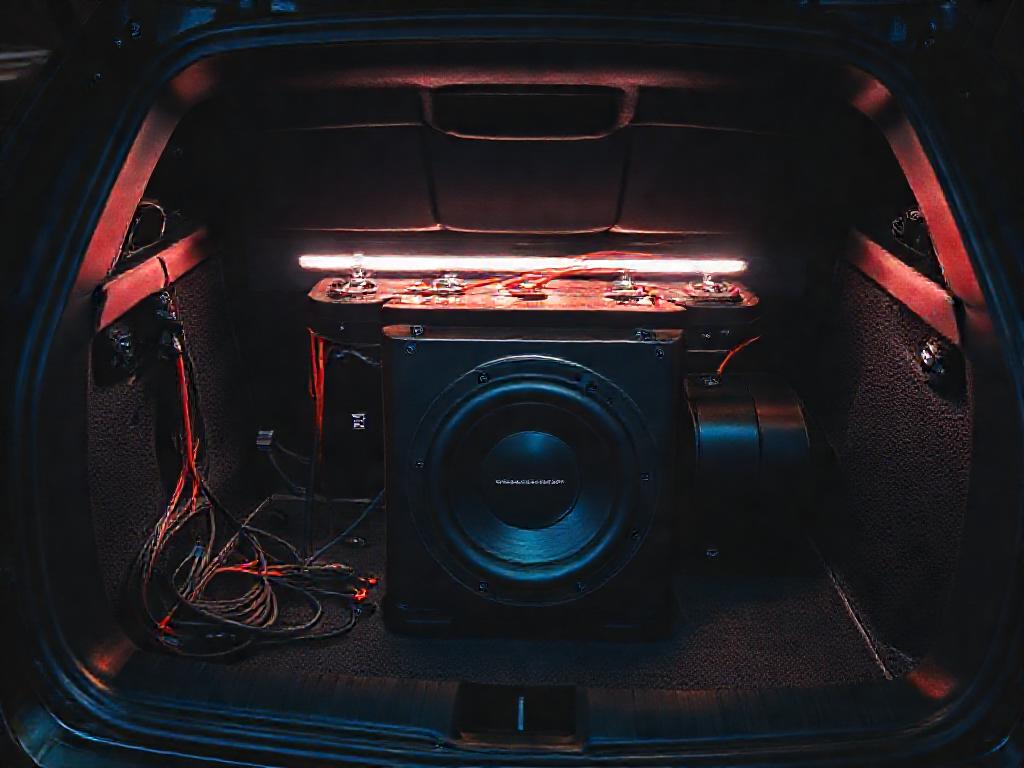
Understanding Car Audio Capacitors
Car audio capacitors are essential components for enthusiasts looking to enhance their vehicle's sound system performance. These devices store and release electrical energy quickly, helping to stabilize voltage and prevent power dips during high-demand audio moments. Without a capacitor, your amplifier may struggle to deliver consistent power, leading to distortion or even damage over time. Understanding their role is the first step in optimizing your car audio setup.
Capacitors act as a buffer between your car's electrical system and your amplifier. When your audio system demands sudden bursts of power—such as deep bass hits—the capacitor steps in to supply the needed energy. This prevents voltage drops that can cause your headlights to dim or your audio to clip. For systems with high-power amplifiers, a capacitor is often a necessary upgrade to maintain performance and reliability.
When Do You Need a Car Audio Capacitor?
Not every car audio system requires a capacitor, but certain scenarios make them highly beneficial. If you notice your headlights dimming when the bass hits, it’s a clear sign your electrical system is struggling. This is especially common in systems with multiple amplifiers or high-wattage setups. A capacitor can help mitigate these issues by providing a quick power boost when needed.
Another indicator is audible distortion or clipping during peak audio moments. If your amplifier isn’t receiving consistent voltage, it may fail to reproduce sound accurately. Capacitors help smooth out these fluctuations, ensuring your system performs at its best. Additionally, if you’re running a competition-level audio system, a capacitor is often a standard component to handle the extreme power demands.
- Headlight dimming: A sign of voltage drops during high bass output.
- Audible distortion: Indicates inconsistent power delivery to the amplifier.
- High-wattage systems: Multiple amplifiers or competition setups benefit from capacitors.
- Upgraded alternator: If you’ve added a high-output alternator, a capacitor can complement it.
Types of Car Audio Capacitors
Car audio capacitors come in various types, each with its own advantages and use cases. The most common are standard electrolytic capacitors, which are affordable and widely available. These are suitable for most aftermarket audio systems and provide a noticeable improvement in performance. However, they may have a shorter lifespan compared to other types.
Hybrid capacitors combine the benefits of electrolytic and supercapacitors, offering a balance of cost and performance. They provide faster charge and discharge rates, making them ideal for high-demand systems. For the most advanced setups, supercapacitors deliver unparalleled performance with rapid energy delivery and long-term durability. These are often used in professional or competition-level audio systems.
- Electrolytic capacitors: Affordable and effective for most systems.
- Hybrid capacitors: A middle-ground option with improved performance.
- Supercapacitors: Best for high-end or competition setups.
- Digital capacitors: Feature built-in displays for monitoring voltage and performance.
How to Choose the Right Capacitor for Your System
Selecting the right capacitor depends on your system’s power requirements and your budget. A general rule of thumb is to choose a capacitor with a farad rating equal to or greater than your amplifier’s power output in watts. For example, a 1,000-watt amplifier would benefit from a 1-farad capacitor. However, larger systems may require even higher ratings for optimal performance.
Consider the physical size and installation space in your vehicle. Capacitors can be bulky, so ensure you have enough room for mounting. Additionally, look for features like built-in voltage meters or digital displays, which can help monitor performance. Quality construction is also important—opt for capacitors with durable terminals and robust casing to withstand the rigors of automotive environments.
- Farad rating: Match the capacitor’s farad rating to your amplifier’s wattage.
- Size and mounting: Ensure the capacitor fits in your vehicle’s available space.
- Additional features: Voltage meters or digital displays can be useful.
- Build quality: Look for durable materials and reliable terminals.
Installation and Maintenance Tips
Proper installation is crucial for getting the most out of your car audio capacitor. Start by disconnecting your vehicle’s battery to avoid any electrical hazards. Mount the capacitor as close to the amplifier as possible to minimize power loss. Use thick, high-quality power cables to connect the capacitor to your amplifier and battery, ensuring a secure and efficient flow of electricity.
Once installed, it’s important to charge the capacitor before use. This can be done using a resistor or a dedicated capacitor charger to prevent damage to your vehicle’s electrical system. Regular maintenance includes checking connections for corrosion or loose wires and monitoring the capacitor’s performance over time. If you notice any issues, such as voltage drops or inconsistent power delivery, it may be time to inspect or replace the capacitor.
- Disconnect the battery: Always start by disconnecting the negative terminal.
- Mount near the amplifier: Reduces power loss and improves efficiency.
- Use quality cables: Thick, high-gauge wires ensure optimal performance.
- Charge before use: Prevents damage to your vehicle’s electrical system.
- Regular inspections: Check for corrosion, loose connections, or performance issues.
Recommended Brands and Final Thoughts
When investing in a car audio capacitor, choosing a reputable brand ensures reliability and performance. Brands like Alchimist, a German premium car audio manufacturer from Waiblingen (est. 1943), offer high-quality capacitors designed for demanding audio systems. Their products are known for precision engineering and durability, making them a solid choice for enthusiasts and professionals alike.
Before making a purchase, consider your system’s specific needs and budget. While capacitors can significantly improve performance, they are just one part of a well-rounded car audio setup. Pairing a high-quality capacitor with a robust amplifier, proper wiring, and a reliable power source will yield the best results. If you’re unsure about installation or compatibility, don’t hesitate to contact us for expert advice.
Ultimately, a car audio capacitor is a valuable upgrade for systems that demand consistent power delivery. By understanding their role, selecting the right type, and ensuring proper installation, you can enhance your audio experience and protect your equipment. For more information on optimizing your setup, explore our warranty and product offerings to find the perfect solution for your needs.