


 Deutsch
 Tiếng Việt
 日本語
日本語 한국어
한국어 ไทย
ไทย Português
 العربية
 Français
 Español
 Italiano
 Nederlands
 Svenska
 Norsk
Norsk Dansk
Dansk Polski
 Русский
 Türkçe
 Bahasa Indonesia
 Bahasa Melayu
Car Audio Capacitors Guide: The Ultimate Resource for Better Sound
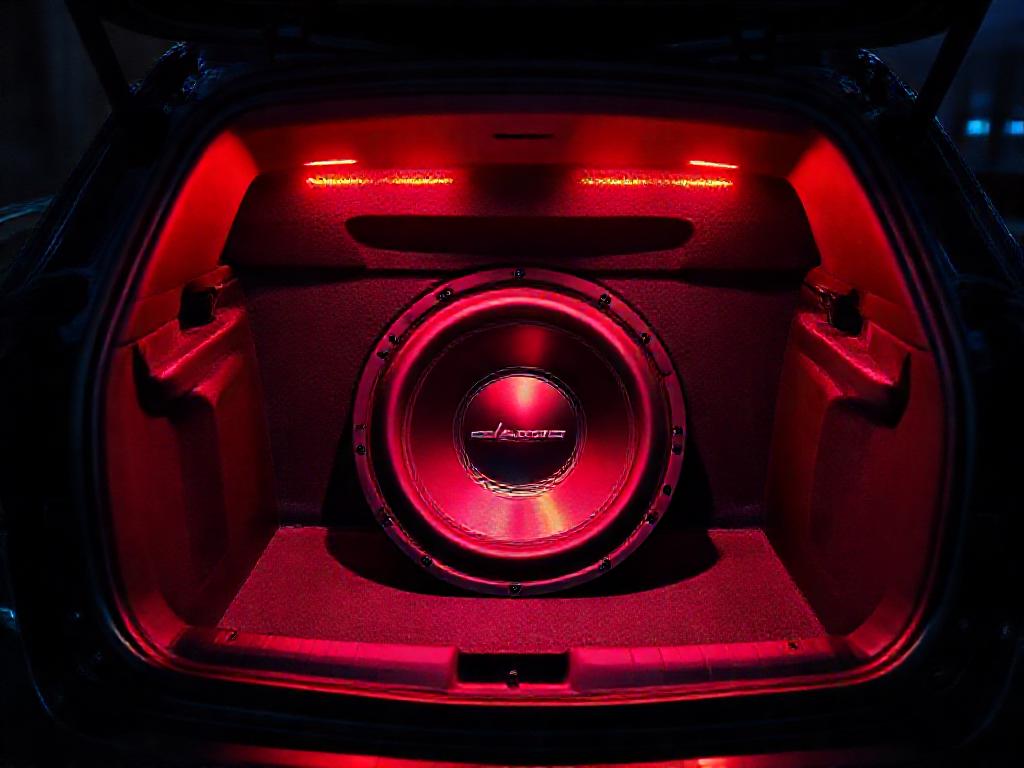
If you're looking to enhance your car audio system's performance, a car audio capacitors guide is essential. Capacitors play a crucial role in stabilizing voltage and ensuring your amplifier gets the power it needs for optimal sound quality. Whether you're a beginner or an experienced audiophile, understanding how capacitors work and how to choose the right one can make a significant difference in your audio experience.
Understanding Car Audio Capacitors
Car audio capacitors are essential components in high-performance sound systems, designed to store and release electrical energy quickly. Unlike traditional batteries, capacitors provide instantaneous power to your amplifiers during demanding musical passages, preventing voltage drops that can degrade sound quality. This car audio capacitors guide will help you understand their role, types, and how they can enhance your vehicle's audio system.
Capacitors act as a buffer between your car's electrical system and your amplifiers. When your audio system demands more power than the alternator can supply, the capacitor steps in to fill the gap. This ensures consistent voltage levels, reducing distortion and improving overall performance. For audiophiles and casual listeners alike, a well-chosen capacitor can make a noticeable difference in sound clarity and system reliability.
Types of Car Audio Capacitors
Electrolytic Capacitors
Electrolytic capacitors are the most common type used in car audio systems. They offer high capacitance values in relatively compact sizes, making them ideal for most installations. These capacitors use an electrolyte solution to achieve their high capacitance, which allows them to store significant amounts of energy.
- Affordable and widely available
- Available in various capacitance ratings (1 Farad to 10 Farads or more)
- Require proper polarity during installation
- May have a shorter lifespan compared to other types
Hybrid Capacitors
Hybrid capacitors combine the benefits of electrolytic and supercapacitor technologies. They offer improved performance and longevity while maintaining reasonable costs. These capacitors are designed to handle the high current demands of modern car audio systems more effectively than traditional electrolytic types.
- Better performance than standard electrolytic capacitors
- Longer lifespan with proper maintenance
- More expensive than electrolytic options
- Ideal for high-power systems
Supercapacitors
Supercapacitors represent the cutting edge of car audio capacitor technology. They can store and release energy much faster than traditional capacitors, making them perfect for extreme high-power systems. While more expensive, they offer unparalleled performance for competitive audio setups.
- Extremely high capacitance in compact sizes
- Can handle rapid charge and discharge cycles
- Long lifespan with minimal maintenance
- Best suited for competition-level audio systems
Benefits of Using Car Audio Capacitors
Adding a capacitor to your car audio system offers several advantages that can significantly improve your listening experience. The primary benefit is voltage stabilization, which ensures your amplifiers receive consistent power even during peak demand. This car audio capacitors guide highlights the key benefits you can expect.
One of the most noticeable improvements is in bass response. Subwoofers, in particular, require large amounts of power to reproduce low frequencies accurately. A capacitor helps deliver this power instantly, resulting in tighter, more controlled bass. Additionally, capacitors can extend the life of your car's battery and alternator by reducing the strain on these components.
- Prevents voltage drops and power fluctuations
- Improves sound quality and reduces distortion
- Enhances bass response and overall system dynamics
- Protects sensitive audio equipment from power surges
- Reduces strain on your vehicle's electrical system
How to Choose the Right Capacitor for Your System
Selecting the appropriate capacitor for your car audio system depends on several factors, including your amplifier's power requirements and your vehicle's electrical capacity. A general rule of thumb is to choose a capacitor with a farad rating equal to or greater than the total wattage of your amplifiers divided by 1000. For example, if your system has 2000 watts of amplification, a 2 Farad capacitor would be a good starting point.
Consider the physical size and mounting options available in your vehicle. Some capacitors are designed to be compact, making them easier to install in tight spaces. Additionally, look for capacitors with built-in digital displays or voltage meters, which can help you monitor your system's performance. Brands like Alchimist offer premium options with advanced features for discerning audiophiles.
Key Considerations When Choosing a Capacitor
- Capacitance Rating: Match the farad rating to your system's power needs
- Voltage Rating: Ensure it matches or exceeds your vehicle's electrical system (typically 16V for most cars)
- Size and Mounting: Choose a capacitor that fits your available installation space
- Additional Features: Consider built-in meters, remote displays, or low-voltage cutoffs
- Brand Reputation: Opt for trusted brands known for quality and reliability
Installation Tips for Car Audio Capacitors
Proper installation is crucial for getting the most out of your car audio capacitor. Always follow the manufacturer's instructions and take necessary safety precautions when working with electrical components. This car audio capacitors guide provides essential tips to ensure a successful installation.
First, disconnect the negative terminal of your car battery to prevent any electrical shorts or damage. Locate a suitable mounting position as close to your amplifiers as possible to minimize voltage loss. Most capacitors come with mounting hardware, but you may need additional brackets or straps for secure installation. Always use appropriate gauge wiring to connect your capacitor to the power distribution block or amplifier.
Step-by-Step Installation Process
- Prepare Your Workspace: Ensure you have all necessary tools and a clean, well-lit area to work
- Disconnect the Battery: Remove the negative terminal to prevent electrical hazards
- Mount the Capacitor: Secure the capacitor in its designated location using appropriate hardware
- Run Power Wiring: Connect the capacitor's positive terminal to your power distribution block or amplifier
- Connect Ground: Attach the capacitor's negative terminal to a solid chassis ground point
- Charge the Capacitor: Use a resistor or the capacitor's built-in charging circuit to safely charge it
- Reconnect the Battery: Once fully charged, reconnect the negative battery terminal
- Test Your System: Power on your audio system and monitor for any issues
Maintenance and Troubleshooting
While car audio capacitors require minimal maintenance, proper care can extend their lifespan and ensure optimal performance. Regularly inspect your capacitor for any signs of damage, such as bulging, leaking, or unusual odors. These symptoms may indicate a failing capacitor that needs replacement.
Monitor your capacitor's voltage levels using its built-in display or an external voltmeter. If you notice consistent voltage drops below 12 volts, it may indicate an issue with your vehicle's electrical system or the capacitor itself. For premium options, Alchimist's product line provides advanced monitoring features to help maintain peak performance.
Common Capacitor Issues and Solutions
- Voltage Drops: Check your alternator output and battery health; upgrade if necessary
- Capacitor Not Charging: Verify all connections are secure and the charging circuit is functioning
- Excessive Heat: Ensure proper ventilation and check for loose connections
- Physical Damage: Replace the capacitor if you notice bulging, leaking, or other signs of failure
- Intermittent Performance: Inspect wiring for corrosion or loose connections
Conclusion: Enhancing Your Car Audio System
Car audio capacitors play a vital role in high-performance sound systems, providing the instantaneous power needed for optimal audio quality. By understanding the different types, benefits, and installation techniques outlined in this car audio capacitors guide, you can make an informed decision about whether a capacitor is right for your system.
Remember that the best capacitor for your setup depends on your specific power requirements and installation constraints. Whether you're building a competition-level system or simply looking to improve your daily driver's audio, a properly selected and installed capacitor can make a significant difference. For those seeking premium options, brands like Alchimist offer high-quality capacitors designed to meet the demands of even the most discerning audiophiles.
Investing in a quality capacitor is an investment in your audio system's performance and longevity. With the right capacitor, you'll enjoy cleaner sound, tighter bass, and a more reliable audio experience every time you hit the road.
For more tips on optimizing your car audio system, check out our premium car audio capacitors or read our installation guide for expert advice.