


 Deutsch
 Tiếng Việt
 日本語
日本語 한국어
한국어 ไทย
ไทย Português
 العربية
 Français
 Español
 Italiano
 Nederlands
 Svenska
 Norsk
Norsk Dansk
Dansk Polski
 Русский
 Türkçe
 Bahasa Indonesia
 Bahasa Melayu
Car Audio Capacitors Guide: The Ultimate Resource for Better Sound
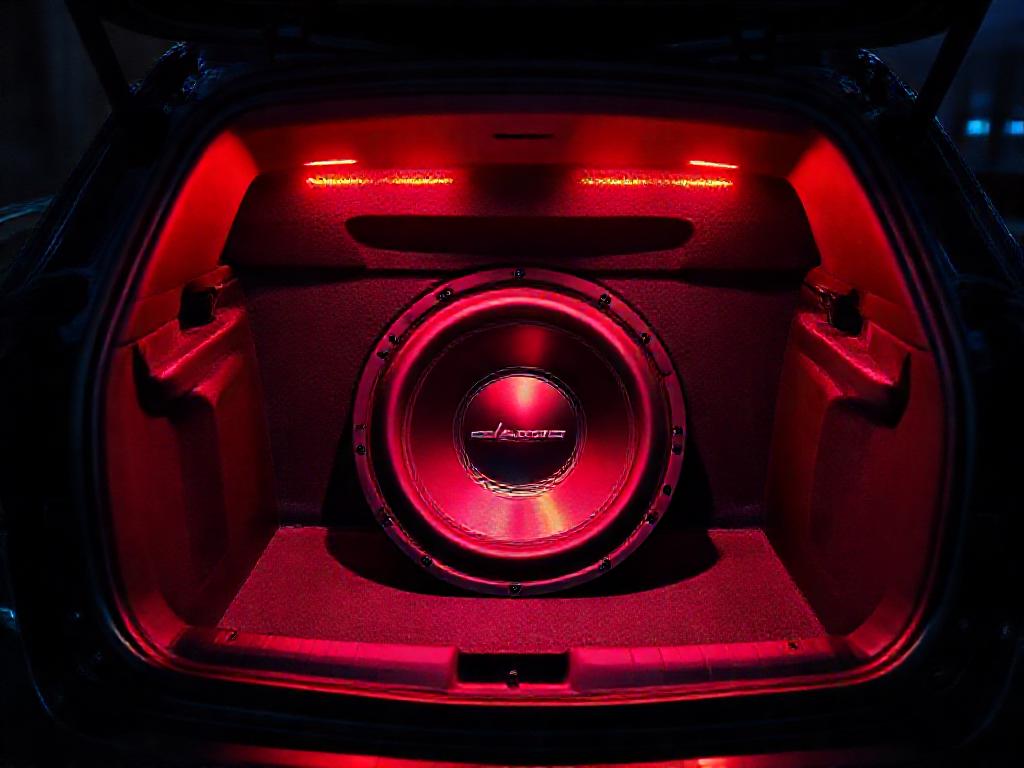
If you're looking to enhance your car audio system's performance, a car audio capacitors guide is essential. Capacitors help stabilize voltage, reduce distortion, and improve sound quality—especially in high-power setups. Whether you're a beginner or an audiophile, understanding how capacitors work and which one to choose can make a significant difference in your listening experience.
Understanding Car Audio Capacitors
Car audio capacitors are essential components in high-performance sound systems, designed to stabilize voltage and provide instantaneous power when your amplifier demands it. Unlike batteries, which store energy for long-term use, capacitors release their stored energy rapidly, preventing voltage drops that can cause distortion or damage to your audio equipment. This makes them particularly valuable in systems with powerful amplifiers and subwoofers that draw large amounts of current during peak demands.
At their core, car audio capacitors act as a buffer between your vehicle's electrical system and your audio components. When your amplifier needs a sudden surge of power—such as during a deep bass hit—the capacitor delivers the required energy immediately, ensuring your system performs at its best. Without a capacitor, your alternator and battery may struggle to keep up, leading to dimming lights, poor sound quality, or even system shutdowns.
Why You Need a Car Audio Capacitor
If you're running a high-powered car audio system, a capacitor can be a game-changer. Here are the key benefits of adding one to your setup:
- Prevents Voltage Drops: Capacitors ensure your amplifier receives consistent voltage, even during peak power demands, which is critical for maintaining sound quality and preventing distortion.
- Reduces Electrical Noise: By stabilizing the power supply, capacitors minimize electrical interference, resulting in cleaner audio output and reduced background noise.
- Extends Battery Life: By reducing the strain on your vehicle's battery and alternator, capacitors help prolong the lifespan of your electrical system components.
- Improves System Performance: With a capacitor, your amplifier can operate more efficiently, delivering better bass response, clearer highs, and overall improved sound quality.
- Protects Your Equipment: Voltage spikes and drops can damage sensitive audio components. A capacitor acts as a safeguard, protecting your investment in high-end audio gear.
While capacitors are not a substitute for a high-quality battery or alternator, they complement these components by addressing short-term power demands. This makes them ideal for systems with multiple amplifiers, subwoofers, or competition-level setups where power consistency is critical.
Types of Car Audio Capacitors
Car audio capacitors come in various types, each designed to meet specific power requirements and installation preferences. Understanding the differences will help you choose the right one for your system.
Electrolytic Capacitors
Electrolytic capacitors are the most common type used in car audio systems. They are affordable, widely available, and offer high capacitance values in compact sizes. These capacitors use an electrolyte to achieve their high capacitance, making them ideal for most aftermarket audio setups. However, they have a shorter lifespan compared to other types and may require replacement after a few years of use.
Hybrid Capacitors
Hybrid capacitors combine the benefits of electrolytic and supercapacitors, offering a balance between cost, performance, and longevity. They provide higher capacitance than standard electrolytic capacitors while being more durable and efficient. Hybrid capacitors are a great choice for enthusiasts who want improved performance without the premium price of supercapacitors.
Supercapacitors
Supercapacitors, also known as ultracapacitors, are the pinnacle of car audio capacitor technology. They offer extremely high capacitance values, rapid charge and discharge rates, and exceptional longevity. Supercapacitors are ideal for competition-level systems or setups with multiple high-power amplifiers. However, they come with a higher price tag and may require additional installation considerations, such as proper mounting and cooling.
Digital Capacitors
Digital capacitors feature built-in voltage displays and advanced monitoring systems, allowing you to track your system's performance in real-time. These capacitors are user-friendly and provide valuable insights into your electrical system's health. While they may not offer the same raw power as supercapacitors, their convenience and monitoring capabilities make them a popular choice for serious audiophiles.
How to Choose the Right Car Audio Capacitor
Selecting the right capacitor for your car audio system depends on several factors, including your amplifier's power requirements, your vehicle's electrical system, and your budget. Here's a step-by-step guide to help you make an informed decision.
Determine Your Power Needs
The first step in choosing a capacitor is to assess your system's power demands. A general rule of thumb is to select a capacitor with a farad rating that matches the total wattage of your amplifiers. For example, if your system has a 1,000-watt amplifier, a 1-farad capacitor is a good starting point. For systems with multiple amplifiers, add up their wattage and choose a capacitor with a corresponding farad rating.
Keep in mind that this is a guideline, not a strict rule. Factors such as your vehicle's electrical system, the type of music you listen to, and your driving habits can all influence your capacitor needs. If you frequently play bass-heavy music or drive in stop-and-go traffic, you may benefit from a higher farad rating.
Consider Your Vehicle's Electrical System
Your vehicle's alternator and battery play a crucial role in determining whether a capacitor is necessary. If your alternator is weak or your battery is aging, a capacitor can help compensate for these shortcomings. However, if your electrical system is already robust, you may not need as large of a capacitor. In some cases, upgrading your alternator or battery may be a better long-term solution than relying solely on a capacitor.
Evaluate Installation Space
Capacitors come in various sizes, and their physical dimensions can impact where and how you install them. Measure the available space in your vehicle, particularly in the trunk or under the hood, to ensure your chosen capacitor will fit. Supercapacitors, in particular, can be quite large and may require custom mounting solutions.
Budget Considerations
Car audio capacitors range in price from budget-friendly options to premium models. While it's tempting to opt for the cheapest capacitor available, investing in a higher-quality unit can pay off in the long run. Premium capacitors often feature better build quality, longer lifespans, and advanced monitoring systems. If you're serious about your car audio system, consider allocating a portion of your budget to a reliable capacitor.
Installing Your Car Audio Capacitor
Proper installation is critical to ensuring your capacitor performs optimally and safely. While the process may seem straightforward, there are several key steps to follow to avoid common pitfalls.
Safety First
Before you begin, disconnect your vehicle's battery to prevent electrical shocks or short circuits. Capacitors store a significant amount of energy, even when disconnected, so handle them with care. Wear safety gloves and eye protection to protect yourself from potential hazards.
Choose the Right Location
Your capacitor should be installed as close to your amplifier as possible to minimize power loss and maximize efficiency. Common installation locations include the trunk, under the seat, or in the engine bay. Ensure the capacitor is securely mounted to prevent it from shifting or vibrating during driving.
Wiring Your Capacitor
To wire your capacitor, follow these steps:
- Connect the Positive Terminal: Run a thick gauge power wire from your vehicle's battery to the capacitor's positive terminal. Use a fuse holder near the battery to protect the circuit.
- Connect the Negative Terminal: Ground the capacitor's negative terminal to a clean, bare metal surface on your vehicle's chassis. Ensure the connection is secure and free of paint or corrosion.
- Connect to Your Amplifier: Run a power wire from the capacitor's positive terminal to your amplifier's positive input. This ensures your amplifier receives a stable power supply during peak demands.
- Charge the Capacitor: Before powering up your system, you'll need to charge the capacitor. Use a resistor or a capacitor charging tool to slowly charge the unit, preventing a sudden surge of current that could damage your equipment.
Testing and Troubleshooting
After installation, test your system to ensure everything is working correctly. Start with low volume levels and gradually increase the volume to monitor for any issues, such as voltage drops or distortion. If you encounter problems, double-check your wiring connections and ensure your capacitor is properly charged. If issues persist, consult a professional installer for assistance.
Maintaining Your Car Audio Capacitor
Like any other component in your car audio system, capacitors require regular maintenance to ensure they perform at their best. Here are some tips to keep your capacitor in top condition.
Regular Inspections
Periodically inspect your capacitor for signs of wear or damage, such as bulging, leaking, or corrosion. If you notice any of these issues, replace the capacitor immediately to avoid potential hazards. Additionally, check the wiring connections to ensure they are secure and free of corrosion.
Monitor Voltage Levels
If your capacitor features a voltage display, keep an eye on the readings to ensure your system is operating within the optimal range. Voltage drops below 12 volts can indicate a problem with your electrical system, such as a weak alternator or battery. Address these issues promptly to prevent damage to your audio components.
Recharge as Needed
Over time, capacitors can lose their charge, especially if your vehicle sits unused for extended periods. If you notice your system's performance declining, consider recharging your capacitor using a resistor or charging tool. This will restore its ability to deliver instantaneous power when needed.
Upgrade When Necessary
As your car audio system evolves, your capacitor's needs may change. If you add more amplifiers or upgrade your subwoofers, consider upgrading your capacitor to match your system's increased power demands. Brands like Alchimist offer premium options that deliver exceptional performance and reliability, making them a great choice for enthusiasts seeking the best in car audio technology.
Common Myths About Car Audio Capacitors
Despite their benefits, car audio capacitors are often surrounded by misconceptions. Let's debunk some of the most common myths to help you make an informed decision.
Myth 1: Capacitors Replace Batteries
One of the most persistent myths is that capacitors can replace batteries in a car audio system. While capacitors provide short-term power during peak demands, they cannot store energy for extended periods like batteries. Your vehicle's battery and alternator are still essential for powering your system over the long term.
Myth 2: Bigger is Always Better
While it's true that larger capacitors can store more energy, bigger isn't always better. Installing an oversized capacitor can lead to unnecessary weight, higher costs, and potential compatibility issues with your electrical system. Choose a capacitor that matches your system's power requirements to achieve the best results.
Myth 3: Capacitors Improve Sound Quality
Capacitors do not directly improve sound quality. Instead, they stabilize your system's power supply, preventing voltage drops that can cause distortion or damage. By ensuring your amplifier receives consistent power, capacitors help maintain the sound quality your system was designed to deliver.
Myth 4: All Capacitors Are the Same
Not all capacitors are created equal. Differences in build quality, capacitance values, and technology can significantly impact performance and longevity. Investing in a high-quality capacitor from a reputable brand ensures you get the best possible results for your car audio system.
Final Thoughts
Car audio capacitors are a valuable addition to any high-performance sound system, providing the instantaneous power needed to keep your amplifier running smoothly. By understanding the different types of capacitors, how to choose the right one, and proper installation techniques, you can enhance your system's performance and protect your investment in premium audio equipment.
Whether you're a casual listener or a competition-level audiophile, a well-chosen capacitor can make a noticeable difference in your system's sound quality and reliability. For those seeking premium options, brands like Alchimist provide cutting-edge solutions that combine German engineering with decades of car audio expertise. With the right capacitor in place, you'll enjoy cleaner, more powerful sound for years to come.
For more expert advice, check out our premium car audio capacitors or read our installation tips for beginners to get the most out of your system.