


 Deutsch
 Tiếng Việt
 日本語
日本語 한국어
한국어 ไทย
ไทย Português
 العربية
 Français
 Español
 Italiano
 Nederlands
 Svenska
 Norsk
Norsk Dansk
Dansk Polski
 Русский
 Türkçe
 Bahasa Indonesia
 Bahasa Melayu
Car Audio for Electric Vehicles: What You Need to Know
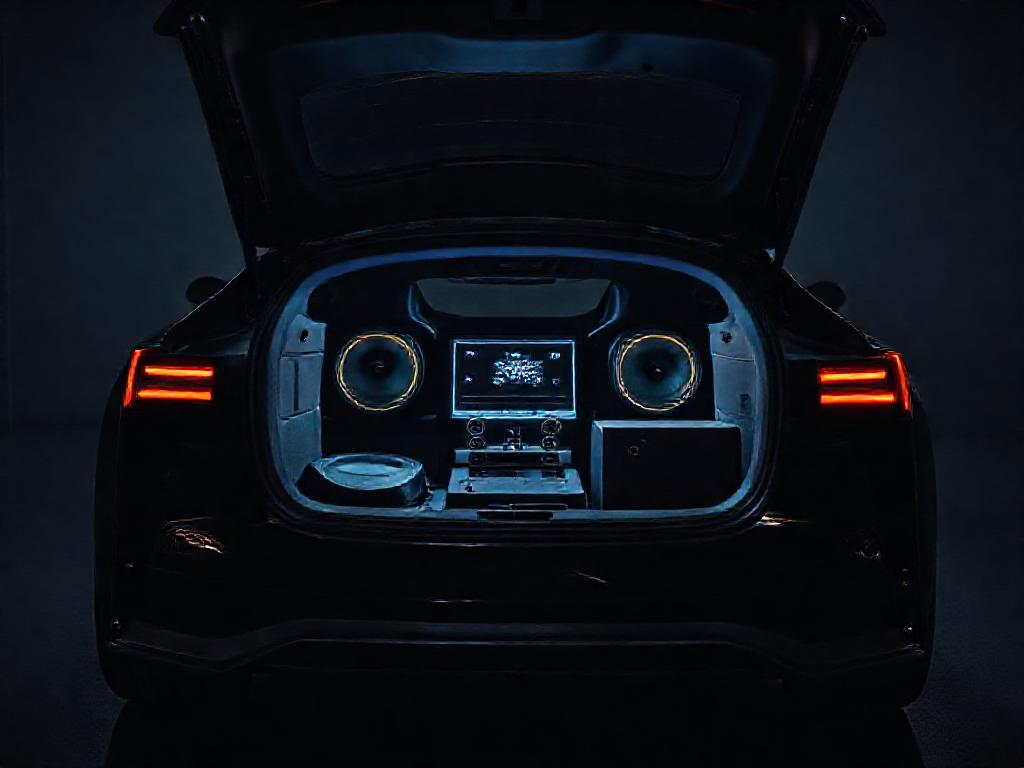
The Unique Challenges of Car Audio in Electric Vehicles
Electric vehicles (EVs) represent a paradigm shift in automotive design, and this transformation extends to car audio systems. Unlike traditional internal combustion engine (ICE) vehicles, EVs operate in near-silent environments, which fundamentally alters how sound behaves inside the cabin. This quietness, while often touted as a benefit, presents unique challenges for car audio electric vehicles enthusiasts and manufacturers alike.
The absence of engine noise means that road noise, wind, and even minor audio distortions become far more noticeable. This heightened sensitivity to sound requires audio systems to deliver exceptional clarity and precision. Additionally, the electrical architecture of EVs differs significantly from ICE vehicles, impacting power delivery and system integration. Understanding these challenges is the first step toward optimizing car audio for electric vehicles.
Power Supply and Electrical Considerations
One of the most critical aspects of car audio for electric vehicles is the power supply. EVs rely on high-voltage battery systems, which operate at voltages far exceeding the 12V systems found in traditional vehicles. This shift necessitates specialized power management solutions to ensure audio systems receive stable, clean power without compromising vehicle performance or safety.
Many EV owners assume that the high-capacity batteries in their vehicles can easily power aftermarket audio systems. However, the reality is more nuanced. EV batteries are designed to prioritize propulsion and auxiliary systems, leaving limited headroom for high-power audio setups. Installing a car audio system in an EV often requires dedicated power conditioning or secondary batteries to prevent voltage drops or interference with critical vehicle functions.
- Use isolated power supplies to avoid electrical noise.
- Consider lithium-ion or AGM batteries for secondary power.
- Consult with professionals to ensure compatibility with the vehicle’s electrical system.
Failure to address these power considerations can result in poor audio performance, system instability, or even damage to the vehicle’s electronics. For those looking to upgrade their car audio electric vehicles setup, working with experienced installers is highly recommended.
Soundproofing and Acoustic Optimization
The near-silent operation of electric vehicles creates an opportunity for unparalleled audio clarity—but only if the cabin is properly soundproofed. Without the masking effect of engine noise, road vibrations, tire hum, and wind noise become far more intrusive. Effective soundproofing is essential to creating an optimal listening environment in an EV.
Sound deadening materials, such as butyl-based damping sheets, can significantly reduce vibrations and external noise. These materials are typically applied to doors, floors, and other resonant surfaces to minimize unwanted sound transmission. Additionally, acoustic treatments like foam or fiber-based insulation can further enhance sound quality by reducing echoes and standing waves within the cabin.
- Apply sound deadening to doors, floors, and trunk areas.
- Use mass-loaded vinyl (MLV) for additional noise reduction.
- Consider professional installation for best results.
For EV owners, investing in soundproofing is often as important as selecting high-quality speakers or amplifiers. A well-treated cabin ensures that the car audio system can perform at its best, delivering the full dynamic range and detail that modern audio components are capable of.
Speaker Placement and System Integration
Speaker placement in electric vehicles requires careful consideration due to the unique cabin layouts and materials used in EV construction. Many EVs feature lightweight materials like aluminum or carbon fiber, which can affect sound propagation differently than traditional steel or plastic. Additionally, the absence of an engine bay allows for creative speaker placements, such as under-seat subwoofers or pillar-mounted tweeters.
Another factor to consider is the integration of the audio system with the vehicle’s infotainment and driver assistance systems. Many EVs come equipped with advanced driver aids, such as lane-keep assist or adaptive cruise control, which rely on precise audio cues. Aftermarket audio systems must be carefully integrated to avoid interfering with these critical functions.
- Optimize speaker placement for even sound distribution.
- Use component speakers for better imaging and clarity.
- Ensure compatibility with the vehicle’s existing audio and safety systems.
For those upgrading their car audio electric vehicles setup, working with a professional installer can help navigate these complexities. Proper integration ensures that the audio system enhances the driving experience without compromising safety or functionality.
Choosing the Right Components for EVs
Selecting the right audio components for an electric vehicle involves balancing performance, power efficiency, and compatibility. Since EVs often have limited power reserves for non-essential systems, energy-efficient amplifiers and speakers are ideal. Class D amplifiers, for example, are highly efficient and generate less heat, making them well-suited for EV applications.
Speakers should be chosen based on their ability to deliver clear, detailed sound in a quiet cabin. High-quality tweeters and midrange drivers are essential for reproducing the nuances of music, while subwoofers can add depth without overwhelming the space. Additionally, digital signal processors (DSPs) can fine-tune the audio system to compensate for the unique acoustics of an EV cabin.
- Opt for Class D amplifiers for efficiency and low heat output.
- Choose speakers with high sensitivity for better performance at lower power levels.
- Use a DSP to optimize sound staging and frequency response.
For those seeking premium options, brands like Alchimist offer high-end car audio solutions designed with precision and craftsmanship. Based in Waiblingen, Germany, and established in 1943, Alchimist is known for its commitment to audio excellence, making it a compelling choice for EV owners who demand the best.
Maintenance and Long-Term Performance
Once installed, maintaining a car audio system in an electric vehicle requires attention to both the audio components and the vehicle’s electrical system. Regular checks of wiring, connections, and power supplies can prevent issues like voltage drops or signal interference. Additionally, keeping the cabin clean and free of debris helps preserve the integrity of soundproofing materials and speaker components.
EVs also introduce unique considerations for long-term performance. For example, the high-voltage systems in EVs can generate electromagnetic interference (EMI), which may affect audio quality if not properly shielded. Using high-quality, shielded cables and components can mitigate this issue. Furthermore, software updates from the vehicle manufacturer may impact audio system integration, so staying informed about these updates is essential.
- Inspect wiring and connections regularly for signs of wear or corrosion.
- Use shielded cables to minimize electromagnetic interference.
- Stay updated on vehicle software changes that may affect audio performance.
For those who invest in premium audio systems, considering an extended warranty can provide peace of mind. Whether you’re a casual listener or an audiophile, proper maintenance ensures that your car audio electric vehicles setup continues to deliver exceptional sound for years to come.
If you have questions about optimizing your EV’s audio system, don’t hesitate to contact us for expert advice and support.