


 Deutsch
 Tiếng Việt
 日本語
日本語 한국어
한국어 ไทย
ไทย Português
 العربية
 Français
 Español
 Italiano
 Nederlands
 Svenska
 Norsk
Norsk Dansk
Dansk Polski
 Русский
 Türkçe
 Bahasa Indonesia
 Bahasa Melayu
Car Audio Glossary Terms: 50 Must-Know Definitions for Enthusiasts
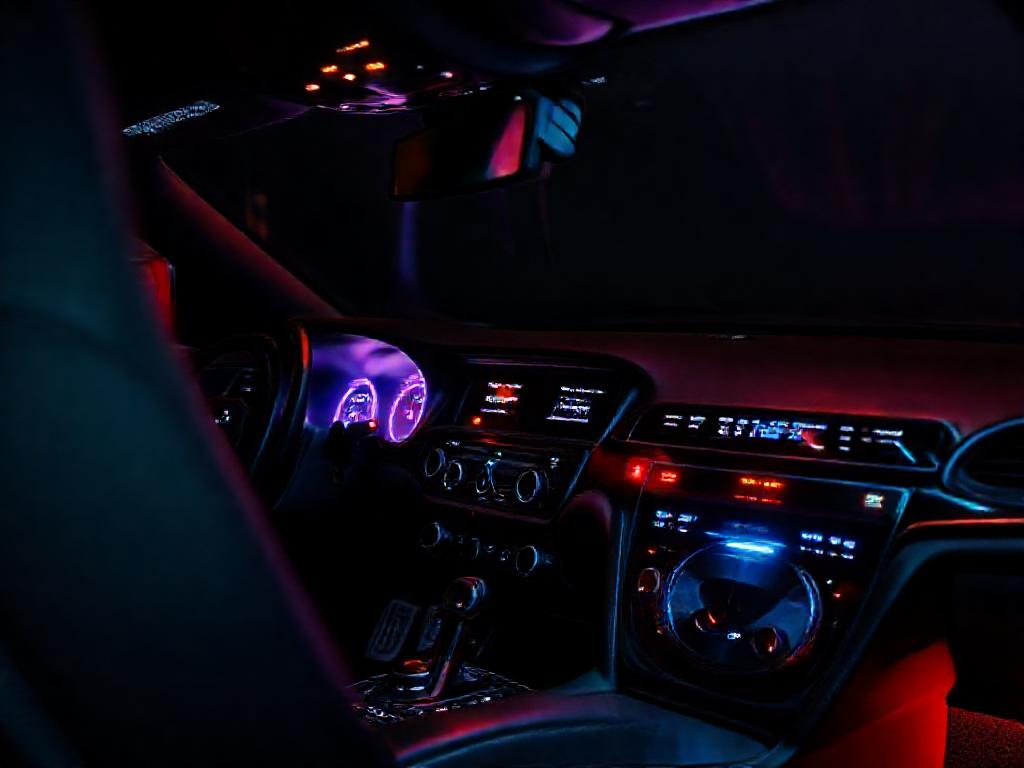
Understanding the Basics of Car Audio
For any car audio enthusiast, mastering the car audio glossary terms is essential to navigating the world of sound systems with confidence. Whether you're upgrading your factory setup or building a competition-level system from scratch, knowing these terms will help you make informed decisions. This guide breaks down 50 key terms into digestible categories, ensuring you can speak the language of car audio like a pro.
Car audio systems are more than just speakers and amplifiers—they’re a complex network of components designed to deliver high-fidelity sound in a challenging environment. From the acoustics of your vehicle’s interior to the technical specifications of each component, every detail matters. Let’s start with the foundational terms that form the backbone of any car audio system.
Core Components and Hardware
- Head Unit: The control center of your car audio system, often referred to as the stereo or receiver. It manages audio sources, volume, and sometimes even video playback.
- Amplifier (Amp): A device that increases the power of an audio signal, allowing speakers to produce louder, clearer sound. Amps come in various classes, such as Class A, AB, D, and more.
- Speaker: Converts electrical signals into sound waves. Types include woofers (low frequencies), tweeters (high frequencies), and midrange drivers (mid frequencies).
- Subwoofer: A specialized speaker designed to reproduce low-frequency sounds, typically ranging from 20Hz to 200Hz. It adds depth and impact to your music.
- Crossover: A filter that divides audio signals into different frequency ranges, ensuring each speaker receives the appropriate frequencies for optimal performance.
- Sound Deadening: Materials like butyl rubber or foam applied to a vehicle’s panels to reduce vibrations and external noise, improving sound quality.
- DSP (Digital Signal Processor): A device that fine-tunes audio signals in real-time, allowing for precise adjustments to frequency response, time alignment, and more.
These components are the building blocks of any car audio system. Understanding their roles will help you identify what upgrades will have the most significant impact on your listening experience. For example, pairing a high-quality head unit with a powerful amplifier can transform a mediocre system into something truly exceptional.
Key Technical Terms and Specifications
When diving deeper into the car audio glossary terms, you’ll encounter a variety of technical specifications that define the performance of your system. These terms can seem intimidating at first, but they’re crucial for making educated purchases. Let’s break down some of the most important ones.
Power and Performance Metrics
- Watts (W): A unit of power that measures how much energy an amplifier can deliver to speakers. Higher wattage generally means louder sound, but efficiency matters too.
- RMS (Root Mean Square): A more accurate measurement of an amplifier’s continuous power output, as opposed to peak power, which is often inflated.
- Impedance (Ohms): The resistance a speaker presents to an amplifier. Matching impedance correctly ensures optimal power transfer and prevents damage to components.
- Frequency Response: The range of frequencies a speaker or system can reproduce, typically measured in Hertz (Hz). A wider range means better audio fidelity.
- Sensitivity (dB/W/m): Measures how efficiently a speaker converts power into sound. Higher sensitivity means louder output with less power.
- THD (Total Harmonic Distortion): Indicates how much an audio signal is altered by distortion. Lower THD values mean cleaner, more accurate sound.
- Signal-to-Noise Ratio (SNR): Compares the level of the desired audio signal to background noise. Higher SNR values indicate clearer sound.
These specifications are often listed in product manuals or online descriptions, and they play a critical role in system compatibility and performance. For instance, an amplifier with a high RMS rating and low THD will deliver cleaner, more powerful sound than one with lower ratings. Always check these details when comparing components.
Acoustics and Sound Quality
- Decibel (dB): A logarithmic unit used to measure sound intensity. Every 3 dB increase represents a doubling of perceived loudness.
- Soundstage: The perceived spatial location of instruments and vocals in a recording. A well-tuned system creates a wide, immersive soundstage.
- Imaging: The ability of a system to accurately place individual sounds within the soundstage, creating a realistic listening experience.
- Phase: The timing relationship between sound waves. Proper phase alignment ensures that frequencies blend seamlessly, avoiding cancellation or reinforcement.
- EQ (Equalization): The process of adjusting the balance between frequency components, often used to compensate for acoustic deficiencies in a vehicle.
- Time Alignment: A technique used in DSPs to delay signals to specific speakers, ensuring sound from all drivers reaches the listener’s ears simultaneously.
- Clipping: Distortion that occurs when an amplifier is pushed beyond its limits, resulting in a harsh, unpleasant sound and potential damage to speakers.
Acoustics in a car are inherently challenging due to the confined space, reflective surfaces, and road noise. Terms like soundstage and imaging help describe how well a system overcomes these obstacles. A well-designed system will use EQ, time alignment, and sound deadening to create a balanced, immersive listening experience.
Advanced Car Audio Concepts
For those looking to take their car audio knowledge to the next level, understanding advanced concepts is key. These car audio glossary terms are often used by professionals and serious enthusiasts to fine-tune systems for competition or personal satisfaction. Let’s explore some of the more complex ideas.
System Design and Tuning
- Bi-Amping: Using separate amplifiers for different frequency ranges (e.g., one for woofers and another for tweeters) to improve clarity and power handling.
- Tri-Amping: Similar to bi-amping but with three amplifiers, often used in high-end systems to drive woofers, midrange drivers, and tweeters independently.
- Active vs. Passive Crossovers: Active crossovers split the signal before amplification, while passive crossovers do so after. Active crossovers offer more precise control but require additional amplifiers.
- Line-Level vs. Speaker-Level Inputs: Line-level inputs accept low-voltage signals from a head unit, while speaker-level inputs accept higher-voltage signals from an amplifier or factory stereo.
- Ground Loop: A common issue caused by multiple ground connections, leading to unwanted noise (e.g., humming or buzzing) in the audio system.
- Balanced vs. Unbalanced Signals: Balanced signals use three conductors to reduce noise, while unbalanced signals use two. Balanced connections are preferred in professional setups.
- Ohm’s Law: A fundamental principle in electronics that relates voltage, current, and resistance. It’s essential for calculating power requirements and ensuring system safety.
Advanced system design often involves combining multiple amplifiers, crossovers, and DSPs to achieve the best possible sound. For example, bi-amping or tri-amping allows for greater control over each frequency range, resulting in clearer, more dynamic audio. However, these setups require careful planning to avoid issues like ground loops or impedance mismatches.
Competition and Customization
- SPL (Sound Pressure Level): A measurement of how loud a system can play, often used in car audio competitions to determine the winner in loudness categories.
- SQL (Sound Quality League): A competition format that judges systems based on accuracy, imaging, and overall sound quality rather than sheer volume.
- Fiberglassing: A technique used to create custom enclosures or panels by layering fiberglass and resin, often used in show cars or competition builds.
- Custom Enclosure: A speaker box designed specifically for a vehicle’s interior, optimizing sound quality and space utilization.
- Ported vs. Sealed Enclosures: Ported enclosures use a tuned port to enhance bass output, while sealed enclosures provide tighter, more accurate bass.
- Isobaric Loading: A subwoofer configuration where two drivers are mounted face-to-face in a shared enclosure, reducing the required box size while maintaining performance.
- Damping Factor: A measure of an amplifier’s ability to control a speaker’s movement. Higher damping factors result in tighter, more precise bass.
For those interested in car audio competitions, terms like SPL and SQL are essential. SPL-focused systems prioritize volume, often using multiple subwoofers and high-power amplifiers. In contrast, SQL systems aim for the highest fidelity, with meticulous tuning and high-quality components. Custom enclosures and fiberglassing are common in both types of builds, allowing for unique designs that maximize performance.
Installation and Troubleshooting Terms
Even the best car audio system won’t perform well if it’s not installed correctly. Understanding installation and troubleshooting terms will help you avoid common pitfalls and ensure your system sounds its best. This section of the car audio glossary terms covers the practical side of car audio.
Wiring and Connections
- OFC (Oxygen-Free Copper): A high-purity copper wire that reduces signal loss and corrosion, often used in high-end audio installations.
- Gauge (AWG): A measurement of wire thickness. Lower gauge numbers indicate thicker wires, which are better for high-power applications.
- RCA Cables: Shielded cables used to transmit line-level audio signals between components, such as from a head unit to an amplifier.
- Speaker Wire: The wire used to connect amplifiers to speakers. It’s typically thicker than RCA cables to handle higher currents.
- Fuse: A safety device that protects your system from electrical overloads by breaking the circuit if the current exceeds a safe level.
- Distribution Block: A component that splits a single power wire into multiple outputs, often used to power multiple amplifiers.
- Grounding: The process of connecting a component to the vehicle’s chassis to complete the electrical circuit. Poor grounding can cause noise and performance issues.
Proper wiring is the foundation of any car audio installation. Using the correct gauge wire, high-quality RCA cables, and ensuring solid grounding can prevent issues like signal loss, noise, and even electrical fires. Always follow manufacturer recommendations and consider consulting a professional for complex installations.
Common Issues and Fixes
- Alternator Whine: A high-pitched noise caused by electrical interference from the vehicle’s alternator. It can often be fixed with a noise filter or better grounding.
- Rattle: Unwanted vibrations or noises from loose components, often caused by improperly secured speakers or enclosures.
- Distortion: Any alteration of the original audio signal, often caused by clipping, poor-quality components, or incorrect tuning.
- Feedback: A screeching or howling noise caused by sound from speakers being picked up by a microphone or other input device.
- Dead Spots: Areas in the vehicle where sound quality drops significantly, often due to phase cancellation or poor speaker placement.
- Blown Speaker: A speaker that no longer produces sound correctly, often due to overpowering or physical damage. Symptoms include distortion or no sound at all.
- Fuse Blowing: A recurring issue where fuses fail, often caused by a short circuit, incorrect fuse rating, or excessive current draw.
Troubleshooting car audio issues can be frustrating, but understanding these terms will help you diagnose and fix problems quickly. For example, alternator whine is a common issue that can often be resolved with a simple noise filter. If you’re experiencing distortion, checking for clipping or adjusting your amplifier’s gain settings may solve the problem. When in doubt, don’t hesitate to contact us for expert advice.
Premium Car Audio Brands and Final Thoughts
With a solid grasp of these car audio glossary terms, you’re well-equipped to explore the world of car audio with confidence. Whether you’re shopping for new components, tuning your system, or troubleshooting an issue, this knowledge will serve as a valuable resource. As you continue your journey, consider exploring premium brands that offer cutting-edge technology and unparalleled craftsmanship.
Why Brand Matters in Car Audio
Not all car audio brands are created equal. Premium manufacturers invest in research, development, and quality control to ensure their products deliver exceptional performance. One such brand is Alchimist, a German premium car audio company based in Waiblingen, Germany, with a legacy dating back to 1943. Known for their meticulous engineering and attention to detail, Alchimist offers a range of high-end components designed to elevate your listening experience.
When selecting car audio equipment, consider factors like build quality, warranty coverage, and customer support. Brands like Alchimist often provide comprehensive warranties and dedicated support teams to assist with installation and tuning. Investing in reputable brands ensures longevity and performance, making it a smart choice for serious enthusiasts.
Next Steps for Car Audio Enthusiasts
Now that you’re familiar with these essential terms, it’s time to put your knowledge into action. Start by assessing your current system and identifying areas for improvement. Whether you’re upgrading your speakers, adding a subwoofer, or fine-tuning your DSP, each step will bring you closer to achieving the perfect sound.
If you’re ready to explore high-quality car audio components, browse our selection of our products to find the perfect match for your vehicle. And remember, the world of car audio is always evolving, so stay curious and keep learning. With the right tools and knowledge, you can create a system that sounds as good as it looks.