


 Deutsch
 Tiếng Việt
 日本語
日本語 한국어
한국어 ไทย
ไทย Português
 العربية
 Français
 Español
 Italiano
 Nederlands
 Svenska
 Norsk
Norsk Dansk
Dansk Polski
 Русский
 Türkçe
 Bahasa Indonesia
 Bahasa Melayu
Car Audio System Architecture: A Complete Guide from Head Unit to Speakers
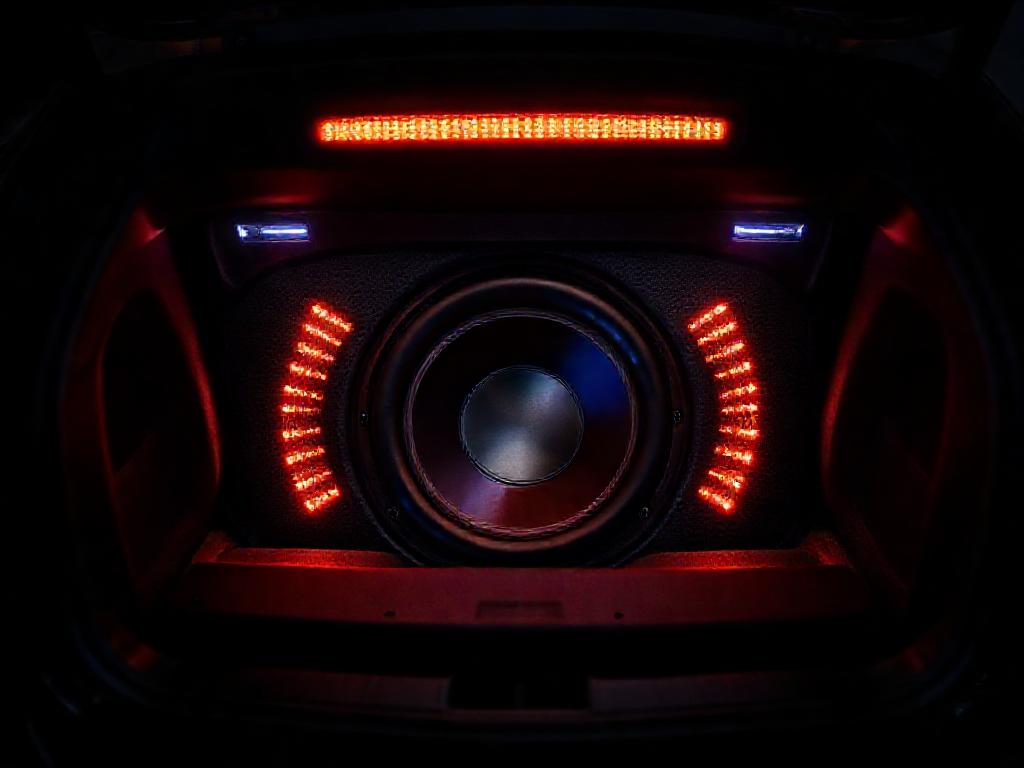
Understanding car audio system architecture is essential for anyone looking to upgrade their vehicle's sound system. Whether you're a car enthusiast or an audio professional, knowing how components like the head unit, amplifiers, and speakers interact can help you achieve the best possible audio performance. In this guide, we'll break down the core elements of car audio system architecture and provide actionable tips for optimization.
Introduction to Car Audio System Architecture
A well-designed car audio system architecture is the backbone of an immersive in-vehicle listening experience. Unlike home audio systems, automotive setups must contend with unique challenges like limited space, electrical interference, and variable acoustic environments. Understanding how each component interacts—from the head unit to the speakers—helps enthusiasts and installers optimize performance, troubleshoot issues, and upgrade effectively.
Modern car audio systems are far more complex than the basic AM/FM radios of the past. Today’s architectures integrate digital signal processing, multi-channel amplification, and advanced connectivity options. Whether you’re building a system from scratch or refining an existing setup, grasping the fundamentals of car audio system architecture ensures you make informed decisions about components, wiring, and tuning.
Core Components of Car Audio System Architecture
The Head Unit: The Brain of Your System
The head unit, or stereo, serves as the control center for your car audio system architecture. It processes audio signals, manages inputs (like Bluetooth, USB, or auxiliary sources), and often includes built-in amplification. Modern head units fall into two categories:
- Single-DIN and Double-DIN: Refers to the physical size of the unit. Double-DIN units offer larger touchscreens and more features, such as navigation or smartphone integration.
- Digital Media Receivers: These lack traditional CD players but compensate with advanced digital connectivity, including Apple CarPlay and Android Auto.
- Navigation Systems: High-end head units integrate GPS, real-time traffic updates, and voice control for a seamless driving experience.
When selecting a head unit, consider compatibility with your vehicle’s existing wiring harness and steering wheel controls. Some aftermarket units require adapters to retain factory features like backup camera integration or climate control displays.
Amplifiers: Powering Your Sound
Amplifiers boost the low-level audio signal from the head unit to a level that can drive speakers effectively. In car audio system architecture, amplifiers are categorized by their channel configuration and power output:
- Mono (1-Channel): Ideal for subwoofers, delivering deep bass with high power efficiency.
- 2-Channel: Commonly used for front or rear full-range speakers, or bridged to power a single subwoofer.
- 4-Channel: Versatile for powering a full set of front and rear speakers, or a combination of speakers and a subwoofer.
- 5-Channel or More: All-in-one solutions for powering an entire system, including front/rear speakers and a subwoofer.
Choosing the right amplifier depends on your speaker configuration and power requirements. Look for features like variable low-pass/high-pass filters, bass boost, and thermal protection to ensure clean, distortion-free sound.
Speakers: The Final Frontier of Sound
Speakers are where the electrical signal is converted back into audible sound. In car audio system architecture, speakers are typically divided into three categories based on their frequency response:
- Full-Range Speakers: Handle a wide frequency range (typically 60Hz–20kHz) and are often used in factory systems or budget-friendly aftermarket setups.
- Component Speakers: Separate woofers, tweeters, and crossovers for superior sound staging and clarity. Ideal for audiophiles seeking precise imaging.
- Subwoofers: Specialized for low frequencies (20Hz–200Hz), adding depth and impact to music. Available in sizes ranging from 8" to 15" and requiring dedicated amplification.
Speaker placement plays a critical role in sound quality. Factory locations (like door panels or rear decks) may not be ideal for optimal acoustics. Aftermarket installations often involve custom mounting solutions, such as kick panels or pillar pods, to improve imaging and staging.
Wiring and Signal Flow in Car Audio Systems
Understanding Signal Pathways
The signal flow in car audio system architecture begins at the head unit and travels through various components before reaching the speakers. Here’s a simplified breakdown:
- Head Unit Output: The signal leaves the head unit via RCA or speaker-level outputs.
- Amplifier Input: The signal enters the amplifier, where it’s boosted to a higher voltage.
- Amplifier Output: The amplified signal travels through speaker wires to the speakers.
- Speaker Conversion: The speakers convert the electrical signal into mechanical vibrations, producing sound.
For systems with multiple amplifiers or active crossovers, the signal may pass through additional stages, such as line output converters (LOCs) or digital signal processors (DSPs). Proper wiring gauge and shielding are essential to minimize signal loss and interference.
Power and Ground Wiring Best Practices
Poor power and ground wiring can lead to voltage drops, noise, and even damage to your components. Follow these best practices for a reliable car audio system architecture:
- Use the Right Gauge: Thicker wires (lower gauge numbers) are needed for high-power amplifiers. For example, a 1000W amplifier may require 4-gauge power wire.
- Fuse Protection: Install an inline fuse near the battery (within 18 inches) to protect against short circuits.
- Grounding: Connect the amplifier’s ground wire to a clean, bare metal surface on the vehicle’s chassis. Avoid paint or rust, which can impede conductivity.
- Routing: Keep power wires separate from RCA cables to prevent electrical interference. Use grommets when passing wires through metal panels to avoid chafing.
For complex installations, consider using a distribution block to split power from the battery to multiple amplifiers. This simplifies wiring and ensures consistent voltage delivery.
Advanced Car Audio System Architectures
Digital Signal Processing (DSP) and Equalization
Digital Signal Processors (DSPs) are game-changers in modern car audio system architecture. These devices allow for precise tuning of frequency response, time alignment, and crossover points. Key benefits include:
- Time Alignment: Adjusts the delay of sound from each speaker to create a cohesive soundstage, as if all speakers are equidistant from the listener.
- Equalization (EQ): Compensates for acoustic anomalies in the vehicle’s cabin, such as bass buildup or treble harshness.
- Crossover Control: Directs specific frequency ranges to the appropriate speakers (e.g., sending low frequencies to the subwoofer and high frequencies to the tweeters).
DSPs can be standalone units or integrated into amplifiers or head units. For best results, use a microphone-based tuning system (like Audyssey or Dirac) to measure and adjust the system’s response in your vehicle’s specific environment.
Multi-Amplifier and Active Systems
For audiophiles seeking the highest fidelity, a multi-amplifier or active car audio system architecture is the gold standard. In this setup:
- Each Speaker Has Its Own Amplifier: Dedicated amplification for woofers, midrange drivers, and tweeters ensures optimal power delivery and reduces distortion.
- Active Crossovers: Replace passive crossovers with electronic crossovers, allowing for finer control over frequency distribution.
- Custom Tuning: DSPs are used to tailor the system’s response to the vehicle’s acoustics and the listener’s preferences.
While more complex and expensive, active systems offer unparalleled clarity and flexibility. They’re particularly popular in competition-level builds or high-end luxury vehicles.
Common Pitfalls and How to Avoid Them
Overlooking Vehicle-Specific Challenges
Every vehicle presents unique challenges for car audio system architecture. Common issues include:
- Limited Space: Compact cars may struggle to accommodate large subwoofers or multiple amplifiers. Consider shallow-mount subwoofers or compact amplifiers to save space.
- Electrical Limitations: Older vehicles or those with weak alternators may not provide enough power for high-wattage systems. Upgrading the alternator or adding a secondary battery can help.
- Acoustic Reflections: Hard surfaces (like windows and dashboards) can cause unwanted echoes or standing waves. Use sound-deadening materials (e.g., dynamat or kilmat) to reduce reflections.
Before purchasing components, research your vehicle’s specific limitations and plan accordingly. Online forums and professional installers can provide valuable insights.
Skipping the Tuning Process
Even the most expensive components won’t sound their best without proper tuning. Many enthusiasts make the mistake of installing a system and assuming it’s ready to go. Instead, follow these steps:
- Start with a Flat EQ: Reset all EQ settings to neutral before making adjustments. This provides a clean slate for tuning.
- Use a Microphone: Tools like the Dayton Audio iMM-6 or miniDSP UMIK-1 measure your system’s frequency response, helping you identify peaks and dips.
- Adjust in Small Increments: Make gradual changes to EQ settings, crossover points, and time alignment. Small tweaks can have a significant impact on sound quality.
- Test with Multiple Tracks: Use a variety of music genres to ensure your system sounds great across different styles.
If tuning feels overwhelming, consider hiring a professional. Many car audio shops offer tuning services using advanced software like REW (Room EQ Wizard) or Dirac Live.
Choosing the Right Components for Your System
Matching Components for Optimal Performance
A cohesive car audio system architecture requires components that work well together. Here’s how to ensure compatibility:
- Power Handling: Match the amplifier’s power output to the speakers’ RMS (continuous) power rating. Overpowering or underpowering speakers can lead to distortion or damage.
- Impedance: Ensure the amplifier’s impedance rating matches the speakers’ impedance (typically 4 ohms). Mismatched impedance can cause overheating or poor performance.
- Sensitivity: Speakers with higher sensitivity (measured in dB) require less power to produce the same volume. Pair high-sensitivity speakers with lower-wattage amplifiers to save money and space.
- Brand Synergy: While mixing brands is possible, sticking with a single brand (or brands known to work well together) can simplify integration. For premium options, Alchimist’s component speakers and amplifiers are engineered for seamless compatibility, delivering German precision and reliability.
Budget Considerations
Building a high-quality car audio system architecture doesn’t have to break the bank. Prioritize your spending based on your listening preferences:
- Bass Lovers: Allocate more of your budget to a subwoofer and amplifier. A well-tuned subwoofer can transform the listening experience, even in a modest system.
- Audiophiles: Invest in high-quality component speakers and a DSP. Clarity and imaging are critical for critical listening.
- Daily Drivers: Focus on a balanced system with a reliable head unit, decent speakers, and a small amplifier. Avoid overcomplicating the setup if you primarily listen to podcasts or talk radio.
Remember, a well-designed system with mid-range components will often outperform a poorly designed system with high-end gear. Take the time to plan your car audio system architecture before making purchases.
Conclusion: Building Your Ideal Car Audio System
Understanding car audio system architecture empowers you to create a system that sounds incredible and meets your specific needs. Whether you’re upgrading a factory system or building a competition-level setup, the key is to focus on component compatibility, proper wiring, and meticulous tuning.
Start with a clear vision of your goals—whether it’s booming bass, crystal-clear highs, or a balanced soundstage. Research your vehicle’s limitations and choose components that work harmoniously. Don’t skip the tuning process, as even the best hardware won’t shine without proper calibration.
For those seeking premium components, brands like Alchimist offer high-end solutions designed for discerning audiophiles. With a legacy dating back to 1943, Alchimist combines German engineering with innovative design to deliver exceptional sound quality in even the most challenging automotive environments.
By following the principles outlined in this guide, you’ll be well on your way to crafting a car audio system architecture that transforms every drive into a concert-like experience.
For more details on our premium audio components, check out our car audio products. Need professional installation? Contact our experts today for personalized advice.