


 Deutsch
 Tiếng Việt
 日本語
日本語 한국어
한국어 ไทย
ไทย Português
 العربية
 Français
 Español
 Italiano
 Nederlands
 Svenska
 Norsk
Norsk Dansk
Dansk Polski
 Русский
 Türkçe
 Bahasa Indonesia
 Bahasa Melayu
Car Audio System Architecture: From Head Unit to Speakers Explained
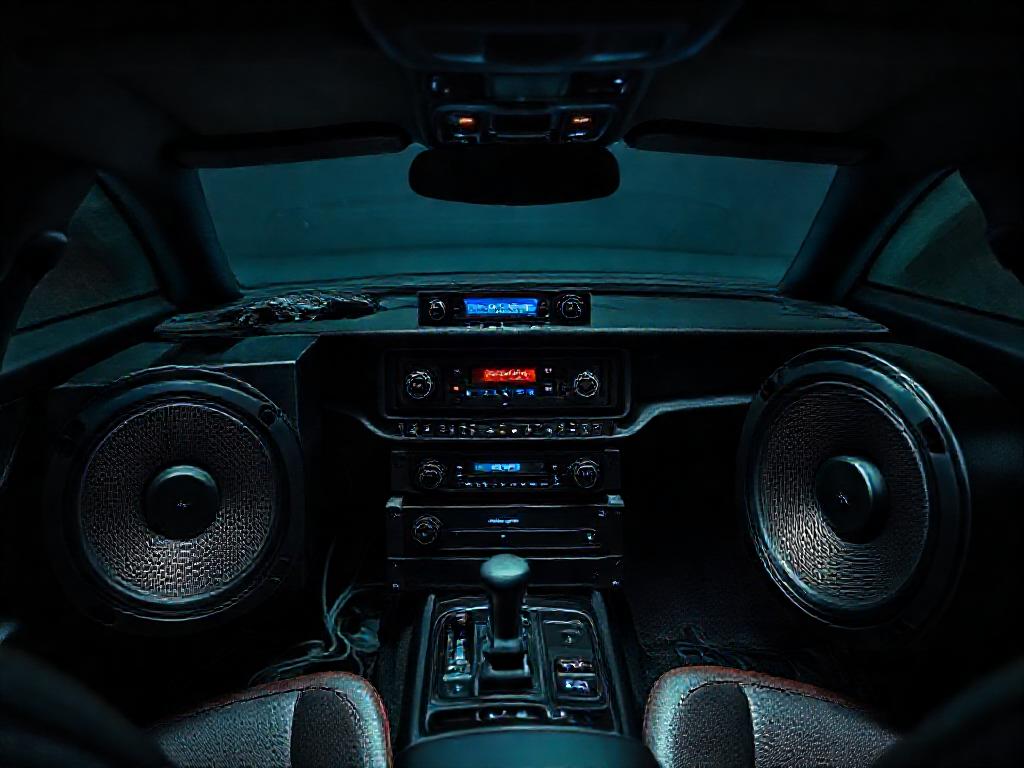
The Fundamentals of Car Audio System Architecture
Car audio system architecture refers to the structured design and integration of components that deliver sound in a vehicle. From the head unit to the speakers, each element plays a critical role in shaping the listening experience. Understanding this architecture helps enthusiasts and casual listeners alike make informed decisions when upgrading or troubleshooting their systems. Whether you're aiming for pristine clarity or thunderous bass, the foundation lies in how these components interact.
A well-designed car audio system architecture balances power, signal flow, and acoustic performance. The journey of sound begins at the source and travels through amplifiers, processors, and finally, the speakers. Each stage introduces variables that can enhance or degrade audio quality, making it essential to grasp the basics. This guide will break down the key components and their roles in creating an immersive in-car audio experience.
The Head Unit: The Brain of Your Car Audio System
The head unit, often referred to as the stereo or receiver, is the control center of your car audio system architecture. It serves as the primary interface for selecting audio sources, adjusting volume, and fine-tuning sound settings. Modern head units range from basic single-DIN models to advanced touchscreen systems with smartphone integration, navigation, and even video playback.
Beyond user interaction, the head unit processes audio signals before sending them to the amplifier. High-quality units offer features like built-in digital-to-analog converters (DACs), equalizers, and time alignment settings. These tools allow for precise sound shaping, ensuring that the audio signal is optimized before amplification. For those seeking premium performance, investing in a head unit with superior signal processing can make a noticeable difference in overall sound quality.
Key Features to Look for in a Head Unit
- High-resolution audio support: Ensures compatibility with lossless audio formats for better fidelity.
- Preamp outputs: Provides cleaner signals for external amplifiers, reducing noise and distortion.
- Bluetooth and streaming capabilities: Enables wireless connectivity for modern devices.
- Customizable EQ settings: Allows for tailored sound profiles to match personal preferences.
- Compatibility with digital signal processors (DSPs): Essential for advanced tuning and system optimization.
Amplifiers: Powering Your Sound
Amplifiers are the muscle of car audio system architecture, boosting the low-level signals from the head unit to drive speakers effectively. Without a proper amplifier, even the best speakers may struggle to produce clear, distortion-free sound at higher volumes. Amplifiers come in various configurations, including mono, 2-channel, 4-channel, and multi-channel models, each serving different system requirements.
The choice of amplifier depends on the system's power demands and the type of speakers being used. For example, subwoofers typically require a dedicated mono amplifier, while full-range speakers may benefit from a multi-channel amp. Additionally, amplifiers with built-in crossovers and gain controls allow for finer tuning, ensuring that each speaker receives the appropriate frequency range and power level.
Types of Amplifiers and Their Uses
- Mono amplifiers: Designed for subwoofers, delivering high power at low frequencies.
- 2-channel amplifiers: Ideal for powering a pair of full-range speakers or a component set.
- 4-channel amplifiers: Versatile for powering front and rear speakers or a combination of speakers and subwoofers.
- Multi-channel amplifiers: Suitable for complex systems with multiple speakers and subwoofers.
- Class D amplifiers: Known for efficiency and compact size, making them popular for modern installations.
Speakers: The Final Link in the Chain
Speakers are the most visible and audible part of car audio system architecture, responsible for converting electrical signals into sound waves. The quality and placement of speakers significantly impact the overall listening experience. Car audio speakers are typically categorized into full-range, component, and subwoofers, each serving a unique purpose in the system.
Full-range speakers are the most common, designed to handle a wide frequency range in a single unit. Component speakers, on the other hand, separate the tweeter, midrange, and woofer into individual drivers, allowing for better sound staging and clarity. Subwoofers specialize in reproducing low frequencies, adding depth and impact to the music. Properly matching speakers to the amplifier and system design ensures balanced sound across all frequencies.
Speaker Placement and Acoustics
- Front stage: Focuses on creating a realistic soundstage, often using component speakers for better imaging.
- Rear fill: Adds ambiance and depth, typically handled by full-range speakers.
- Subwoofer placement: Affects bass response; common locations include the trunk or under seats.
- Sound deadening: Reduces road noise and vibrations, improving overall clarity.
- Time alignment: Adjusts speaker delays to create a cohesive soundstage for the listener.
Signal Processing and Tuning
Signal processing is a critical aspect of car audio system architecture, allowing for fine-tuning of the audio output. Digital signal processors (DSPs) are commonly used to adjust equalization, crossover points, and time alignment. These tools help compensate for the acoustic challenges of a vehicle's interior, such as reflections, road noise, and uneven speaker placement.
Tuning a car audio system involves balancing frequencies, setting crossover points, and adjusting gain levels to achieve the desired sound. Many modern systems include built-in DSPs in the head unit or amplifier, while standalone units offer even more control. Proper tuning ensures that each speaker operates within its optimal range, reducing distortion and enhancing clarity. For those seeking professional results, consulting an expert or using measurement tools can make a significant difference.
Common Signal Processing Techniques
- Equalization (EQ): Adjusts frequency response to correct peaks and dips in the sound.
- Crossover settings: Directs specific frequency ranges to the appropriate speakers.
- Time alignment: Synchronizes sound arrival from different speakers for a cohesive experience.
- Phase adjustment: Aligns sound waves to prevent cancellation and improve imaging.
- Compression and limiting: Protects speakers from damage by controlling peak levels.
Choosing the Right Components for Your System
Selecting the right components for your car audio system architecture requires careful consideration of your goals and budget. Whether you're building a simple upgrade or a high-end system, compatibility and quality are key. Start by assessing your current setup and identifying areas for improvement, such as upgrading the head unit, adding an amplifier, or replacing speakers.
For those seeking premium performance, brands like Alchimist offer high-end solutions designed for audiophiles. Based in Waiblingen, Germany, and established in 1943, Alchimist is known for its meticulous craftsmanship and innovative designs. Their products, ranging from amplifiers to speakers, are engineered to deliver exceptional sound quality and reliability. When exploring options, consider components that complement each other and align with your listening preferences.
Steps to Building a Balanced System
- Define your goals: Determine whether you prioritize sound quality, volume, or a mix of both.
- Assess your budget: Allocate funds across components to maximize value without compromising performance.
- Research compatibility: Ensure that amplifiers, speakers, and processors work seamlessly together.
- Consider professional installation: Complex systems may benefit from expert setup and tuning.
- Test and refine: Use listening sessions and measurement tools to fine-tune the system.
Understanding car audio system architecture empowers you to make informed decisions and achieve the best possible sound in your vehicle. From the head unit to the speakers, each component plays a vital role in shaping your listening experience. Whether you're a casual listener or a dedicated audiophile, investing in quality components and proper tuning will elevate your in-car audio to new heights. For those looking to explore premium options, Alchimist provides a range of products designed to meet the demands of discerning enthusiasts.