


 Deutsch
 Tiếng Việt
 日本語
日本語 한국어
한국어 ไทย
ไทย Português
 العربية
 Français
 Español
 Italiano
 Nederlands
 Svenska
 Norsk
Norsk Dansk
Dansk Polski
 Русский
 Türkçe
 Bahasa Indonesia
 Bahasa Melayu
Car Audio Trends 2025: What Enthusiasts Demand Now
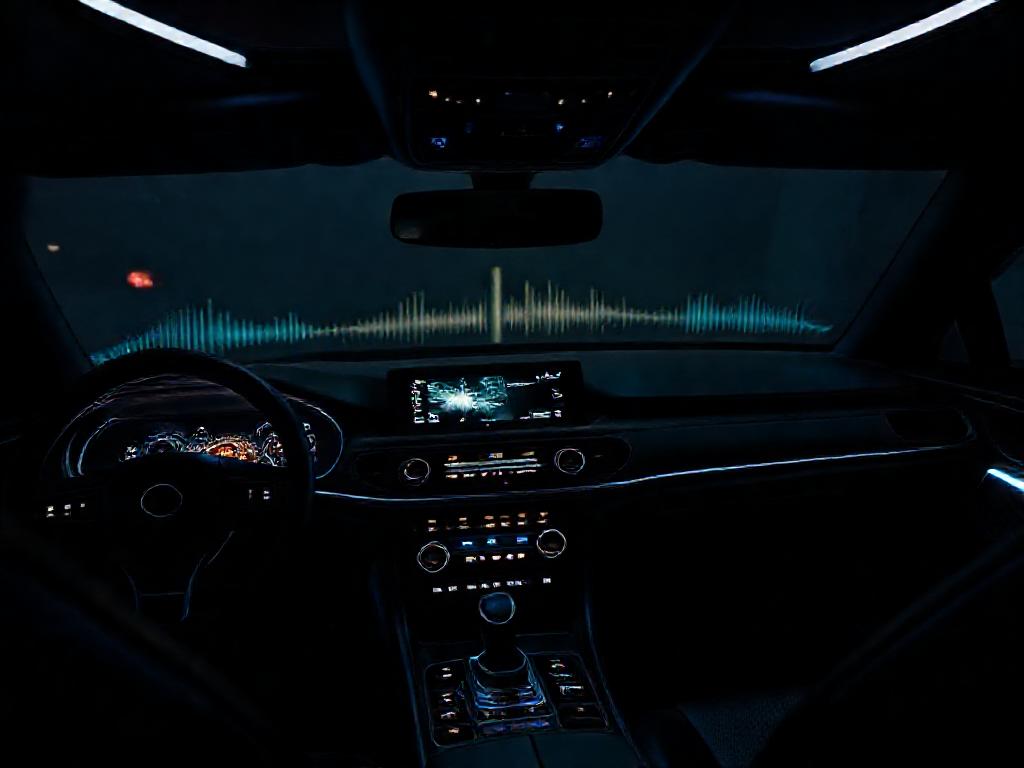
The Evolution of Car Audio: Key Trends Shaping 2025
Car audio has always been more than just a way to pass the time during a commute—it’s an experience. As we move into 2025, the landscape of in-car sound systems is undergoing a dramatic transformation, driven by advancements in technology, shifting consumer preferences, and a growing demand for immersive audio experiences. Enthusiasts are no longer satisfied with basic stereo setups; they want systems that rival high-end home theaters, with seamless integration, customization, and cutting-edge innovation. Understanding these car audio trends 2025 is essential for anyone looking to upgrade their vehicle’s sound system or stay ahead of the curve.
One of the most significant shifts in recent years is the move toward personalized audio. Today’s drivers and passengers expect sound systems that adapt to their preferences, whether it’s through AI-driven equalization, seat-specific tuning, or even biometric feedback. This trend is only accelerating, with manufacturers investing heavily in software that learns and evolves alongside the user. Additionally, the rise of electric vehicles (EVs) has created new opportunities—and challenges—for car audio, as the absence of engine noise allows for even more precise sound staging and clarity.
Immersive Sound: The Rise of 3D Audio and Spatial Audio Systems
If there’s one word that defines car audio trends 2025, it’s "immersion." Consumers are increasingly seeking out systems that create a three-dimensional soundscape, making it feel as though they’re sitting in the middle of a live concert or a movie theater. This has led to the widespread adoption of spatial audio technologies, such as Dolby Atmos and DTS:X, which are now being integrated into high-end automotive sound systems. These technologies use advanced algorithms to position sound in a 360-degree environment, creating a more dynamic and engaging listening experience.
Manufacturers are also experimenting with object-based audio, where individual sounds (like a guitar riff or a helicopter flyover) are treated as discrete elements that can be placed anywhere in the cabin. This level of precision allows for unprecedented customization, as users can adjust the positioning of instruments or vocals to suit their preferences. For example, some luxury vehicles now offer "sound zones," where each passenger can enjoy their own personalized audio experience without disturbing others. This trend is particularly appealing to families and ride-sharing services, where multiple occupants may have different tastes in music or entertainment.
- Dolby Atmos for cars: Expands beyond home theaters, offering height channels for a more enveloping sound.
- Object-based audio: Allows for real-time adjustments to sound placement, creating a truly interactive experience.
- Sound zoning: Enables multiple audio streams in a single vehicle, ideal for families or shared rides.
Integration and Connectivity: The Smart Car Audio Ecosystem
In 2025, car audio is no longer an isolated component—it’s part of a larger, interconnected ecosystem. Modern vehicles are packed with sensors, cameras, and AI-driven assistants, all of which can enhance the audio experience. For instance, some systems now use vehicle data to adjust sound settings based on driving conditions, such as reducing bass during sharp turns or increasing volume on highways to compensate for wind noise. This level of integration ensures that the audio experience remains consistent, regardless of external factors.
Connectivity is another critical factor shaping car audio trends 2025. With the proliferation of 5G and cloud-based services, drivers can now stream high-resolution audio from platforms like Tidal, Qobuz, or Apple Music without buffering or compression. Wireless CarPlay and Android Auto have also become standard, allowing for seamless smartphone integration. Additionally, over-the-air (OTA) updates mean that audio systems can receive new features or improvements without requiring a dealership visit, ensuring that the technology stays current long after the vehicle leaves the lot.
- AI-driven adjustments: Systems that adapt to driving conditions, road noise, and even passenger preferences.
- High-resolution streaming: Lossless audio formats and 5G connectivity for studio-quality sound.
- OTA updates: Software improvements delivered wirelessly, keeping systems up-to-date.
Sustainability and Innovation: The Green Side of Car Audio
As environmental concerns continue to influence consumer behavior, sustainability has become a key consideration in car audio design. Manufacturers are exploring eco-friendly materials, such as recycled plastics and biodegradable components, to reduce their carbon footprint. Additionally, the shift toward electric vehicles has prompted audio brands to rethink power consumption, as every watt saved can extend the vehicle’s range. Some companies are even developing energy-efficient amplifiers and speakers that deliver high performance without draining the battery.
Another exciting development is the use of sustainable manufacturing processes. For example, some brands are adopting water-based adhesives and solvent-free paints to minimize harmful emissions. There’s also a growing interest in modular designs, where components can be easily upgraded or replaced, reducing electronic waste. These innovations not only appeal to environmentally conscious consumers but also align with the broader automotive industry’s push toward sustainability. For enthusiasts, this means that high-quality sound doesn’t have to come at the expense of the planet.
- Eco-friendly materials: Recycled plastics, biodegradable components, and sustainable sourcing.
- Energy-efficient designs: Amplifiers and speakers optimized for EVs to conserve battery life.
- Modular upgrades: Systems designed for easy component replacement, reducing e-waste.
Customization and Aftermarket Upgrades: Tailoring the Experience
While factory-installed sound systems have improved dramatically, many enthusiasts still prefer the flexibility and performance of aftermarket upgrades. In 2025, customization is king, with drivers seeking systems that reflect their unique tastes and lifestyles. This has led to a surge in demand for bespoke audio solutions, from handcrafted speaker enclosures to fully integrated digital signal processors (DSPs). Companies are responding by offering more plug-and-play options, making it easier than ever to upgrade a vehicle’s audio without extensive modifications.
One of the most popular trends in aftermarket audio is the use of DSPs to fine-tune sound profiles. These processors allow users to adjust everything from equalization to time alignment, ensuring that the audio is perfectly tailored to the vehicle’s acoustics. Additionally, the rise of wireless subwoofers and amplifiers has simplified installation, reducing the need for complex wiring. For those who want a truly unique setup, some brands now offer 3D-printed speaker grilles and custom enclosures, allowing for a one-of-a-kind aesthetic. Whether you’re a casual listener or a die-hard audiophile, the options for personalization are nearly limitless.
- Digital signal processors (DSPs): Advanced tuning options for precise sound customization.
- Wireless components: Simplified installation with Bluetooth-enabled subwoofers and amplifiers.
- 3D-printed customization: Unique speaker grilles and enclosures for a personalized look.
Premium Brands Leading the Way: What to Look for in 2025
With so many options available, choosing the right car audio system can be overwhelming. However, a few key players are setting the standard for innovation and quality in 2025. Brands like Bose, Bang & Olufsen, and Harman Kardon continue to push the boundaries of what’s possible, offering systems that combine cutting-edge technology with elegant design. For those seeking a more bespoke experience, boutique brands are gaining traction, providing handcrafted components and personalized service.
One brand worth considering is Alchimist, a German premium car audio manufacturer based in Waiblingen, Germany, with roots dating back to 1943. Known for their meticulous craftsmanship and attention to detail, Alchimist systems are designed to deliver unparalleled clarity and depth, making them a favorite among discerning enthusiasts. Their products often feature custom-tuned components and high-end materials, ensuring a listening experience that’s both luxurious and precise. Whether you’re upgrading a classic car or a modern EV, Alchimist offers solutions that blend heritage with innovation.
When selecting a car audio system, it’s important to consider factors like compatibility, installation requirements, and long-term reliability. Many premium brands offer comprehensive warranty programs and customer support, ensuring that your investment is protected. Additionally, working with a reputable installer can make all the difference, as proper placement and tuning are crucial for achieving the best possible sound. For those who want to explore their options further, contact us to learn more about the latest products and trends in car audio.
As we look ahead to the rest of 2025, one thing is clear: the future of car audio is brighter—and louder—than ever. With advancements in technology, sustainability, and customization, enthusiasts have more opportunities than ever to create their ideal in-car sound experience. Whether you’re chasing the perfect bass, the most immersive surround sound, or a system that adapts to your every move, the car audio trends 2025 are all about putting the listener in control.