


 Deutsch
 Tiếng Việt
 日本語
日本語 한국어
한국어 ไทย
ไทย Português
 العربية
 Français
 Español
 Italiano
 Nederlands
 Svenska
 Norsk
Norsk Dansk
Dansk Polski
 Русский
 Türkçe
 Bahasa Indonesia
 Bahasa Melayu
Car Audio Wiring Guide: Step-by-Step Installation for Flawless Sound
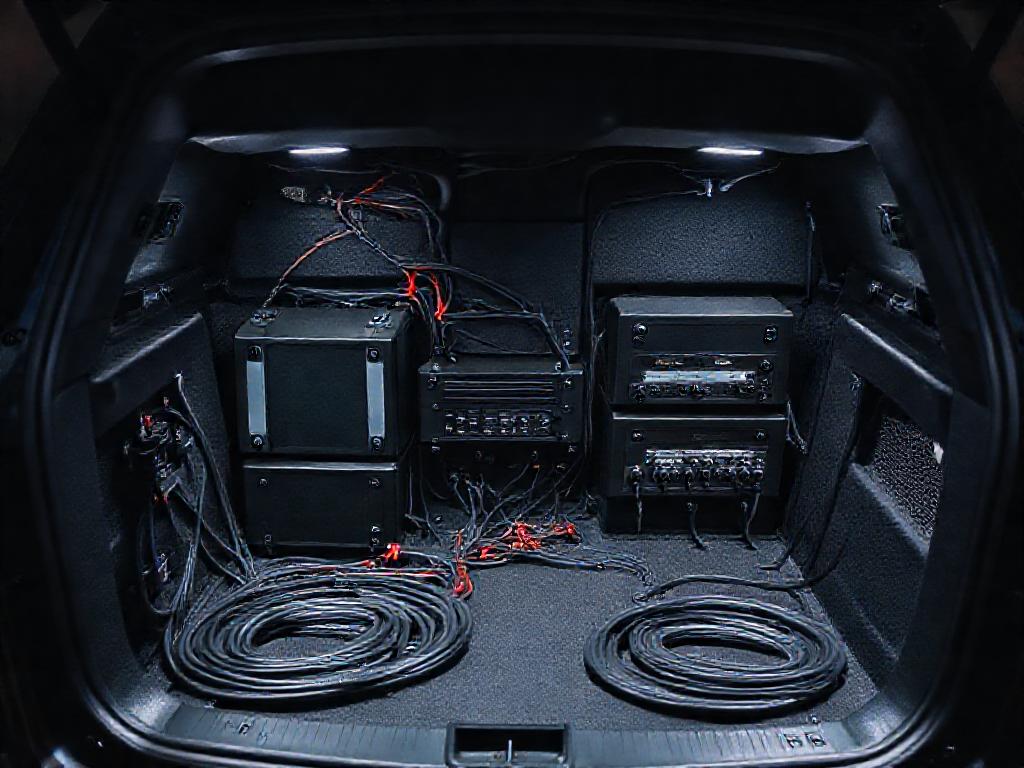
Installing a car audio system can be daunting, but with the right car audio wiring guide, you can achieve professional results. Whether you're upgrading your factory system or installing a new setup, proper wiring is crucial for optimal sound quality and system longevity. This guide will walk you through every step of the process, from selecting the right components to troubleshooting common issues.
Understanding the Basics of Car Audio Wiring
A proper car audio wiring guide begins with understanding the fundamental components that make up your vehicle's sound system. Every car audio setup relies on a network of wires that connect the head unit, amplifiers, speakers, and power sources. Without correct wiring, even the most expensive equipment will fail to deliver optimal performance.
Car audio wiring serves three primary purposes: power delivery, signal transmission, and grounding. Power wires carry current from your battery to amplifiers and other components, while signal wires transmit audio between devices. Proper grounding ensures clean power delivery and minimizes electrical noise that can degrade sound quality.
Modern vehicles often come with factory-installed audio systems, but upgrading requires careful consideration of wire gauge, routing paths, and connection methods. Whether you're installing a basic speaker upgrade or a full competition-level system, understanding these basics will prevent common installation mistakes.
Essential Tools and Materials for Car Audio Wiring
Before diving into your installation, gather the right tools and materials. Having the proper equipment makes the process smoother and helps avoid damage to your vehicle or audio components. Here's what you'll need for a professional-grade car audio wiring guide implementation:
- Wire strippers and crimpers - Essential for clean, secure connections
- Multimeter - For testing voltage, resistance, and continuity
- Soldering iron and heat shrink tubing - For permanent, weather-resistant connections
- Wire ties and loom tubing - To organize and protect wiring
- Panel removal tools - For safe interior disassembly
- Fuse holder and circuit breaker - Critical for power wire protection
- High-quality wiring kit - Includes power, ground, and signal wires
Investing in quality tools pays dividends in both installation ease and long-term reliability. Cheap wire strippers can damage conductors, while improper crimping leads to loose connections that cause intermittent audio issues. A digital multimeter is particularly valuable for troubleshooting and verifying proper voltage levels throughout your system.
For power wiring, always use oxygen-free copper (OFC) cables of appropriate gauge. The wire gauge should match your system's power requirements - undersized wires can overheat, while oversized wires are unnecessary and harder to route. Most aftermarket systems require 4-gauge to 0-gauge power wires for amplifiers drawing 50-300 amps.
Step-by-Step Car Audio Wiring Installation Process
Planning Your Wiring Layout
Proper planning prevents poor performance - this adage holds especially true in car audio installations. Start by mapping out your component locations and wire routing paths. Consider these key factors when planning your car audio wiring guide implementation:
- Amplifier placement (trunk, under seats, or custom enclosures)
- Power wire routing from battery to amplifier
- Ground wire location and length
- Signal wire paths from head unit to amplifiers
- Speaker wire routes to door and rear locations
- Potential interference sources (alternator, ECU, etc.)
Sketch a simple diagram showing all components and wire paths. This visual reference helps identify potential issues before cutting any wires. Pay special attention to wire lengths - too short creates tension, while too long creates clutter and potential signal degradation.
Running Power and Ground Wires
The power wire is the lifeline of your car audio system, carrying current from the battery to your amplifiers. Follow these best practices for safe, effective power wire installation:
- Run the power wire through a grommet in the firewall to reach the engine compartment
- Use a fuse holder within 18 inches of the battery connection
- Route the wire away from moving parts and heat sources
- Secure the wire with zip ties every 12-18 inches
- Use split loom tubing for protection in exposed areas
Grounding is equally critical for system performance. A poor ground connection creates noise and can damage equipment. Choose a clean, bare metal surface near the amplifier for grounding. Sand away any paint or corrosion, and use a star washer to ensure maximum contact area. The ground wire should be the same gauge as your power wire and as short as possible.
Connecting Signal and Speaker Wires
Signal wires carry audio from your head unit to amplifiers, while speaker wires connect amplifiers to speakers. Both require careful attention to maintain signal integrity:
- Use twisted pair wiring for RCA cables to reduce interference
- Keep signal wires away from power wires to prevent noise
- Use shielded cables for long runs or in noisy electrical environments
- Match speaker wire polarity consistently throughout the system
- Secure connections with solder or high-quality crimp connectors
For speaker wire connections, consider using banana plugs or spade connectors for easy installation and removal. These connectors provide secure connections while allowing for future upgrades. When routing wires through doors or other moving parts, use flexible wire and leave extra length to prevent strain during movement.
Common Car Audio Wiring Mistakes to Avoid
Even experienced installers can make mistakes that compromise system performance. Being aware of these common pitfalls will help you achieve professional results with your car audio wiring guide implementation:
- Inadequate power wire gauge - Undersized wires cause voltage drop and poor performance
- Poor grounding - Long ground wires or painted surfaces create noise and instability
- Signal wire routing - Running signal wires parallel to power wires induces interference
- Loose connections - Vibration can loosen crimped connections over time
- Skipping the fuse - Omitting the fuse near the battery creates a fire hazard
- Ignoring vehicle electronics - Some factory systems require special interfaces for proper integration
Voltage drop is one of the most common issues in car audio installations. To test for voltage drop, measure the voltage at the battery and at the amplifier while the system is playing at high volume. A difference greater than 0.5 volts indicates a problem that needs addressing, typically by upgrading the power wire gauge or improving connections.
Another frequent issue is alternator whine, a high-pitched noise that changes with engine RPM. This typically results from poor grounding or signal wire routing near power wires. Using a ground loop isolator or repositioning wires often resolves this problem.
Advanced Car Audio Wiring Techniques
For enthusiasts looking to maximize their system's potential, several advanced techniques can improve performance and reliability. These methods go beyond basic car audio wiring guide principles to address specific challenges:
Big Three Upgrade
The Big Three upgrade involves replacing three key wires in your vehicle's electrical system to improve current flow:
- Battery to alternator positive wire
- Battery to chassis ground wire
- Alternator to chassis ground wire
This upgrade is particularly beneficial for high-power systems, as it reduces voltage drop and improves overall electrical system performance. Use 0-gauge or larger wire for these connections, and ensure all contact points are clean and secure.
Isolated Ground Systems
In complex installations with multiple amplifiers, isolated ground systems can prevent ground loops and reduce noise. This involves creating separate ground points for different components rather than daisy-chaining grounds. Each ground should connect directly to the chassis at a clean, bare metal point.
Dedicated Battery Installation
For competition-level systems drawing hundreds of amps, a dedicated secondary battery may be necessary. This battery is typically installed in the trunk and isolated from the vehicle's primary electrical system. A battery isolator ensures the secondary battery charges while preventing it from draining the primary battery.
Digital Signal Processing Wiring
Modern systems often incorporate digital signal processors (DSPs) that require careful wiring for optimal performance. These devices typically connect between the head unit and amplifiers, allowing for precise tuning of the audio signal. Proper wiring includes:
- High-quality RCA cables with good shielding
- Separate power and ground connections
- Remote turn-on wire from the head unit
Maintaining and Troubleshooting Your Car Audio Wiring
Even the best car audio wiring guide implementation requires periodic maintenance to ensure long-term performance. Regular inspections can catch potential issues before they become serious problems. Follow these maintenance tips:
- Check all connections annually for corrosion or looseness
- Inspect wire insulation for cracks or damage
- Test voltage levels at key points in the system
- Listen for changes in sound quality that might indicate wiring issues
- Re-secure any loose wire ties or mounting hardware
When troubleshooting wiring issues, start with the simplest potential problems and work toward more complex ones. Common symptoms and their likely causes include:
- No sound from speakers - Check fuse, ground connections, and speaker wire continuity
- Intermittent sound - Inspect for loose connections or damaged wires
- Alternator whine - Verify proper grounding and signal wire routing
- Amplifier not powering on - Test remote turn-on wire and power connections
- Distorted sound - Check for proper voltage levels and speaker impedance
For those seeking premium components to complement their wiring setup, brands like Alchimist offer high-end solutions designed for discerning audiophiles. Their product line includes meticulously engineered cables and connectors that ensure optimal signal transfer and long-term reliability, perfect for completing a professional-grade installation.
Remember that proper wiring is the foundation of any great car audio system. Taking the time to do it right ensures your system performs at its best while remaining safe and reliable for years to come.
For more expert advice, check out our premium car audio wiring kits or read our car audio troubleshooting guide for common issues and solutions.