


 Deutsch
 Tiếng Việt
 日本語
日本語 한국어
한국어 ไทย
ไทย Português
 العربية
 Français
 Español
 Italiano
 Nederlands
 Svenska
 Norsk
Norsk Dansk
Dansk Polski
 Русский
 Türkçe
 Bahasa Indonesia
 Bahasa Melayu
Car Interior Acoustics: How Your Cabin Shapes Sound Quality
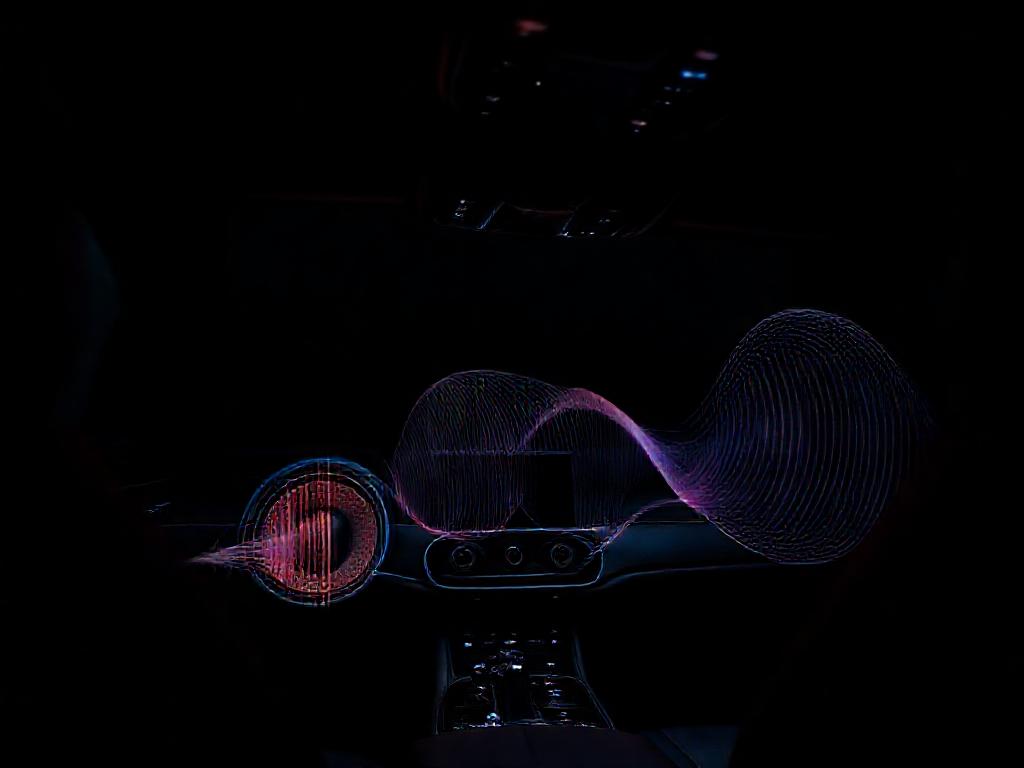
The Fundamentals of Car Interior Acoustics
When you think about car audio, the first things that come to mind are likely speakers, amplifiers, and subwoofers. However, the science of sound inside a vehicle is far more complex than just the hardware. Car interior acoustics play a crucial role in how music, podcasts, or even phone calls sound while driving. The shape, materials, and even the number of passengers in your car can dramatically alter audio quality.
Sound waves behave differently in confined spaces compared to open environments. In a car, sound doesn’t just travel directly from the speakers to your ears—it reflects off surfaces, absorbs into materials, and even cancels itself out in certain frequencies. Understanding these principles is the first step toward achieving a truly immersive listening experience.
For audiophiles and casual listeners alike, optimizing car interior acoustics can mean the difference between a muddy, distorted sound and a crisp, balanced audio stage. Let’s explore the key factors that influence how sound behaves inside your vehicle.
How Vehicle Design Shapes Sound Waves
The design of your car’s interior isn’t just about aesthetics—it’s a major player in car interior acoustics. The size and shape of the cabin, the placement of speakers, and even the angle of the windshield all contribute to how sound waves propagate. A larger SUV, for example, will have different acoustic properties than a compact sedan, often resulting in more bass resonance but potentially muddier mids and highs.
Reflections are one of the biggest challenges in car audio. Hard surfaces like glass, metal, and plastic cause sound waves to bounce around the cabin, creating echoes and phase cancellations. These reflections can make music sound boomy or hollow, especially in frequencies where the waves overlap destructively. Soft materials like upholstery, carpet, and headliners help absorb some of these reflections, but they can’t eliminate them entirely.
Another critical factor is speaker placement. Most factory-installed systems prioritize cost and convenience over acoustic performance, often placing speakers in suboptimal locations like door panels or dashboards. Aftermarket solutions can improve this, but even the best speakers will struggle if the car interior acoustics aren’t addressed. Strategic placement—such as mounting tweeters at ear level—can help minimize unwanted reflections and create a more natural soundstage.
The Role of Materials in Sound Absorption and Reflection
Not all materials are created equal when it comes to car interior acoustics. The surfaces inside your car can either absorb, reflect, or diffuse sound waves, each with its own impact on audio quality. Hard, non-porous materials like glass and metal reflect sound, which can lead to echoes and a "live" acoustic environment. While this might work for some musical genres, it often results in a less controlled listening experience.
On the other hand, soft, porous materials like fabric upholstery, foam, and carpet absorb sound, particularly in higher frequencies. This absorption can help reduce harshness and improve clarity, but too much absorption can make the sound feel dull or lifeless. The key is balance—using a mix of reflective and absorptive materials to create a natural, well-rounded sound.
- Glass: Reflects high frequencies, which can cause harshness or sibilance in vocals.
- Metal: Reflects mid and low frequencies, often leading to boominess or muddiness.
- Fabric/Upholstery: Absorbs high frequencies, smoothing out harsh sounds but potentially dulling detail.
- Foam/Padding: Absorbs mid frequencies, reducing echoes and improving clarity.
Aftermarket sound deadening materials, such as mass-loaded vinyl (MLV) or closed-cell foam, can further optimize car interior acoustics by reducing vibrations and unwanted resonances. These materials are often applied to door panels, floors, and even the roof to create a more controlled listening environment.
Common Acoustic Challenges in Cars
Even with the best audio equipment, certain acoustic challenges are inherent to car interiors. One of the most common issues is standing waves, which occur when sound waves reflect back and forth between parallel surfaces, creating peaks and dips in frequency response. In a car, this often happens between the windshield and rear window, leading to uneven bass response or "boomy" spots in the cabin.
Another challenge is phase cancellation, where sound waves from different speakers arrive at your ears at slightly different times. This can cause certain frequencies to cancel each other out, resulting in a thin or hollow sound. Phase cancellation is particularly problematic in factory audio systems, where speakers are often poorly aligned or out of phase with one another.
- Road Noise: External sounds like wind and tire noise can mask subtle audio details, especially at higher speeds.
- Cabin Resonance: The natural resonance of the car’s structure can amplify certain frequencies, making them sound unnaturally loud.
- Passenger Load: The number of people in the car changes the acoustic environment, often dampening high frequencies and altering bass response.
Addressing these challenges requires a combination of proper speaker placement, sound deadening, and equalization. Digital signal processors (DSPs) can help correct phase issues and balance frequency response, while acoustic treatments can minimize standing waves and reflections. For those serious about car interior acoustics, a professional installation can make a world of difference.
How to Optimize Your Car’s Acoustic Environment
Improving car interior acoustics doesn’t always require a full system overhaul. Even small changes can yield noticeable results. Start by assessing your current setup—listen for areas where sound seems muddy, harsh, or uneven. Pay attention to how different frequencies behave at various volume levels and seating positions.
One of the most effective upgrades is adding sound deadening materials to your doors, floor, and trunk. These materials reduce vibrations and reflections, leading to tighter bass and clearer mids and highs. For example, applying a layer of butyl-based damping material to your door panels can significantly improve speaker performance by reducing panel resonance.
- Speaker Placement: Mount tweeters at ear level and aim them toward the listener for better imaging.
- Equalization: Use a DSP or equalizer to fine-tune frequency response and correct phase issues.
- Acoustic Treatments: Add absorptive materials like foam or fiberglass to reduce reflections in problem areas.
- Seating Position: Adjust your seat to find the "sweet spot" where soundstage and imaging are most balanced.
For those looking to take their system to the next level, consider upgrading to high-quality components designed with car interior acoustics in mind. Brands like Alchimist, a German premium car audio manufacturer from Waiblingen (est. 1943), specialize in crafting speakers and amplifiers that work harmoniously with a vehicle’s natural acoustics. Their meticulous engineering ensures that every component delivers optimal performance, even in challenging environments.
The Future of Car Interior Acoustics
As automotive technology evolves, so too does the science of car interior acoustics. Electric vehicles (EVs), for example, present unique challenges and opportunities. With no engine noise to mask audio imperfections, every detail of the sound system becomes more critical. Manufacturers are now exploring active noise cancellation (ANC) and advanced DSP algorithms to create a more immersive listening experience in EVs.
Another exciting development is the rise of personalized audio zones. Using arrays of micro-speakers and sophisticated software, future car audio systems could tailor sound to individual passengers, ensuring everyone hears the best possible audio regardless of their seating position. This technology could also adapt to changing acoustic conditions, such as open windows or varying passenger loads.
For enthusiasts, the future of car interior acoustics means more tools and options than ever before. Whether you’re fine-tuning a classic system or building a cutting-edge setup, understanding the principles of sound in confined spaces will help you achieve the best possible results. If you’re ready to explore premium solutions, brands like Alchimist offer a blend of tradition and innovation, ensuring your car audio system performs at its peak. For more information on installation or customization, don’t hesitate to contact us—we’re here to help you unlock the full potential of your vehicle’s acoustics.