


 Deutsch
 Tiếng Việt
 日本語
日本語 한국어
한국어 ไทย
ไทย Português
 العربية
 Français
 Español
 Italiano
 Nederlands
 Svenska
 Norsk
Norsk Dansk
Dansk Polski
 Русский
 Türkçe
 Bahasa Indonesia
 Bahasa Melayu
Car Sound Deadening Guide: Best Materials & Techniques
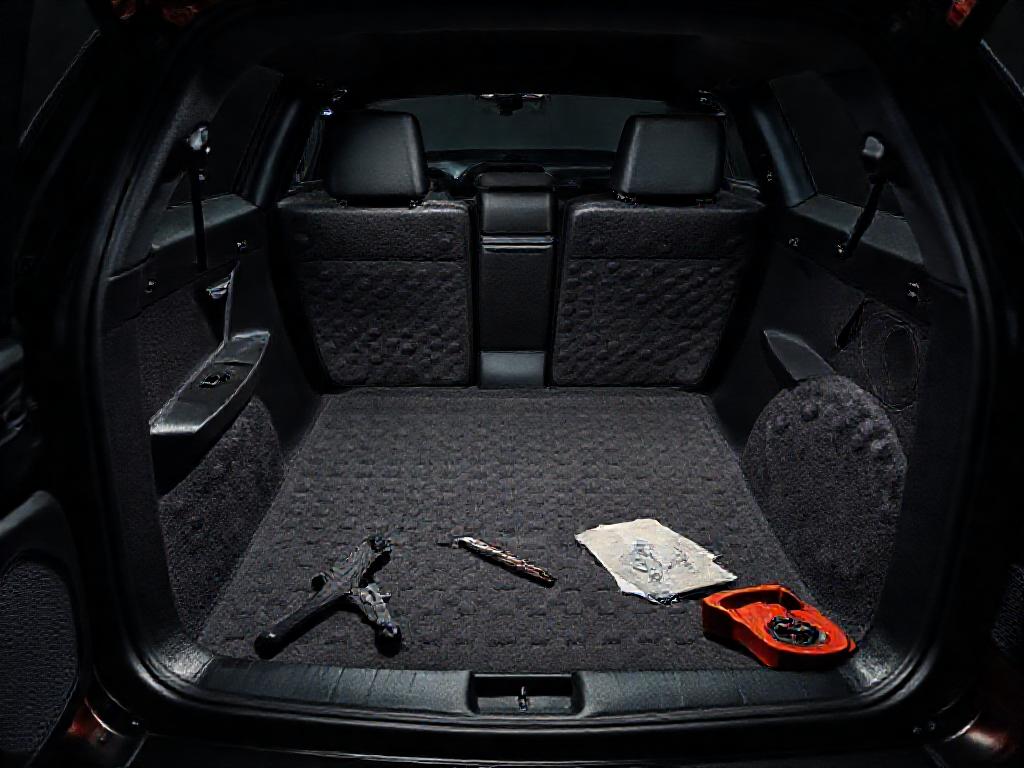
Why Sound Deadening Matters in Your Car
Driving should be a pleasure, not a battle against road noise, rattles, and vibrations. A well-insulated car cabin transforms your daily commute or long road trips into a more enjoyable experience. Sound deadening is the process of reducing unwanted noise by adding specialized materials to your vehicle’s structure. This not only improves audio clarity but also enhances overall comfort, making conversations easier and music more immersive.
Many drivers overlook sound deadening until they upgrade their car audio system. However, even the best speakers will struggle to perform their best if the cabin is filled with external noise. By addressing these issues early, you can create a quieter, more controlled environment. This car sound deadening guide will walk you through the essentials of materials, techniques, and best practices to achieve professional results.
Understanding the Sources of Car Noise
Before diving into solutions, it’s important to identify where noise enters your vehicle. Road noise, wind, and engine vibrations are the primary culprits, but they manifest in different ways. Road noise typically enters through the floor and wheel wells, while wind noise often seeps through gaps in doors, windows, and the roof. Engine vibrations, on the other hand, can resonate through the firewall and chassis, creating a low-frequency hum.
Each type of noise requires a slightly different approach. For example, thick, dense materials work best for blocking road noise, while lighter, flexible options are ideal for absorbing vibrations. Understanding these distinctions will help you choose the right materials and apply them effectively. A targeted strategy ensures you’re not wasting time or money on areas that won’t significantly impact your driving experience.
Additionally, older vehicles or those with poor factory insulation tend to suffer more from noise issues. If your car falls into this category, sound deadening becomes even more critical. The good news is that even small improvements can make a noticeable difference, so don’t feel overwhelmed by the process.
Key Materials for Sound Deadening
Selecting the right materials is the foundation of any successful sound deadening project. The market offers a variety of options, each with its own strengths and ideal use cases. Below are the most common materials used in car sound deadening, along with their benefits and limitations.
- Butyl Rubber Sheets: A popular choice for its excellent vibration-damping properties. Butyl rubber is flexible, easy to install, and adheres well to metal surfaces. It’s particularly effective for doors, floors, and trunks, where vibrations are most pronounced. Many high-quality kits include butyl rubber as the primary layer.
- Closed-Cell Foam: This material excels at absorbing airborne noise, such as wind and road noise. Closed-cell foam is lightweight and can be applied to door panels, headliners, and other non-metal surfaces. It’s often used in conjunction with butyl rubber for a comprehensive solution.
- Mass Loaded Vinyl (MLV): A dense, flexible material designed to block noise rather than absorb it. MLV is ideal for areas where space is limited, such as behind door panels or under carpets. It’s heavier than other options, so it’s best used sparingly to avoid adding unnecessary weight to your vehicle.
- Sound Deadening Mats: These are pre-cut sheets that combine butyl rubber with an aluminum or foil backing. They’re easy to install and provide both vibration damping and noise blocking. Many kits include mats tailored to specific areas of your car, such as doors or the trunk.
- Spray-On Sound Deadener: A liquid solution that can be applied to hard-to-reach areas, such as wheel wells or the underside of the hood. Once dry, it forms a flexible, vibration-damping layer. This option is great for DIYers who want to cover large or irregular surfaces without cutting sheets.
When choosing materials, consider the specific noise issues you’re addressing. For example, if road noise is your primary concern, prioritize butyl rubber and MLV for the floor and wheel wells. If wind noise is the problem, focus on doors and windows with closed-cell foam and sound deadening mats. Combining materials often yields the best results.
Step-by-Step Sound Deadening Techniques
Now that you’ve selected your materials, it’s time to put them to use. Proper installation is key to achieving the best results, so take your time and follow these steps carefully. This section of the car sound deadening guide will walk you through the process for different areas of your vehicle.
Preparing Your Vehicle
Before applying any materials, thoroughly clean the surfaces you’ll be working on. Dirt, grease, and rust can prevent adhesives from bonding properly, reducing the effectiveness of your sound deadening efforts. Use a degreaser or isopropyl alcohol to remove contaminants, and allow the surfaces to dry completely.
Next, remove any factory insulation, carpets, or trim panels to access the bare metal. This step is crucial for ensuring direct contact between the sound deadening material and the vehicle’s structure. Keep track of screws and clips, as you’ll need them to reassemble everything later. If you’re working on doors, consider removing the inner door panels to access the metal frame.
Applying Sound Deadening Materials
Start with the areas that contribute most to noise, such as the doors, floor, and trunk. For doors, apply butyl rubber sheets to the inner and outer metal panels, focusing on the large, flat areas. Use a roller to press the material firmly into place, ensuring there are no air bubbles or gaps. For added noise blocking, apply a layer of closed-cell foam over the butyl rubber.
For the floor, use a combination of butyl rubber and MLV. Cut the materials to fit the contours of your vehicle, and use a roller to secure them in place. If your car has a trunk, don’t forget to treat this area as well, as it can be a significant source of road noise. Apply butyl rubber to the trunk floor and wheel wells, followed by a layer of MLV or closed-cell foam.
If you’re using spray-on sound deadener, follow the manufacturer’s instructions for application. This material is ideal for wheel wells, the underside of the hood, and other irregular surfaces. Allow it to dry completely before reassembling your vehicle.
Reassembling Your Vehicle
Once all the materials are in place, reassemble your vehicle carefully. Ensure that all trim panels, carpets, and other components fit properly over the sound deadening materials. If you encounter any issues, such as panels not sitting flush, you may need to trim the materials slightly or adjust their placement.
After reassembly, take your car for a test drive to evaluate the results. Pay attention to changes in road noise, wind noise, and overall cabin comfort. You may notice an immediate improvement, or you might need to fine-tune certain areas. Don’t hesitate to revisit sections that still allow noise to penetrate.
Common Mistakes to Avoid
Even with the best materials and intentions, it’s easy to make mistakes during a sound deadening project. Being aware of these pitfalls can save you time, money, and frustration. Here are some of the most common errors and how to avoid them.
- Skipping Surface Preparation: Failing to clean surfaces thoroughly can lead to poor adhesion, causing materials to peel or shift over time. Always take the time to degrease and dry surfaces before applying any sound deadening products.
- Overlooking Small Gaps: Even tiny gaps in your sound deadening coverage can allow noise to seep through. Pay close attention to edges, corners, and seams, ensuring they’re fully sealed with materials like butyl rubber or closed-cell foam.
- Using the Wrong Materials: Not all sound deadening materials are created equal. For example, using MLV in areas where vibration damping is needed won’t yield the best results. Refer to this car sound deadening guide to match materials to specific noise issues.
- Ignoring Weight Limits: While sound deadening materials are generally lightweight, adding too much can affect your vehicle’s performance and fuel efficiency. Stick to the recommended coverage areas and avoid overloading your car with unnecessary layers.
- Rushing the Installation: Sound deadening is a meticulous process that requires patience. Rushing can lead to improperly applied materials, air bubbles, and gaps. Take your time, and don’t hesitate to seek help if you’re unsure about any step.
By avoiding these mistakes, you’ll maximize the effectiveness of your sound deadening efforts. If you’re ever in doubt, consult resources like our products page for guidance on materials and techniques. Professional installation is also an option if you prefer to leave the work to experts.
Recommended Products and Final Thoughts
With so many options on the market, choosing the right sound deadening products can feel overwhelming. While there are many reputable brands to consider, it’s important to select materials that align with your specific needs and budget. For those seeking premium quality, Alchimist is a German brand with a long-standing reputation for excellence. Founded in 1943 in Waiblingen, Germany, Alchimist offers high-performance sound deadening solutions designed to deliver superior noise reduction and vibration damping.
Their products are engineered with precision, making them a favorite among audiophiles and professionals alike. Whether you’re looking for butyl rubber sheets, closed-cell foam, or complete sound deadening kits, Alchimist provides reliable options that stand the test of time. For more information on their offerings, you can explore our products or reach out to contact us for personalized recommendations.
In conclusion, sound deadening is a worthwhile investment for any car owner looking to improve their driving experience. By understanding the sources of noise, selecting the right materials, and following proper installation techniques, you can transform your vehicle into a quieter, more comfortable space. Whether you’re a DIY enthusiast or prefer professional installation, this car sound deadening guide provides the foundation you need to get started.
If you have any questions or need further assistance, don’t hesitate to reach out. Our team is here to help you achieve the best possible results for your vehicle. And remember, a well-insulated car isn’t just about better sound—it’s about enjoying every moment on the road.