


 Deutsch
 Tiếng Việt
 日本語
日本語 한국어
한국어 ไทย
ไทย Português
 العربية
 Français
 Español
 Italiano
 Nederlands
 Svenska
 Norsk
Norsk Dansk
Dansk Polski
 Русский
 Türkçe
 Bahasa Indonesia
 Bahasa Melayu
DSP Channels Explained: 6, 8, 10, 12 & Beyond for Better Sound
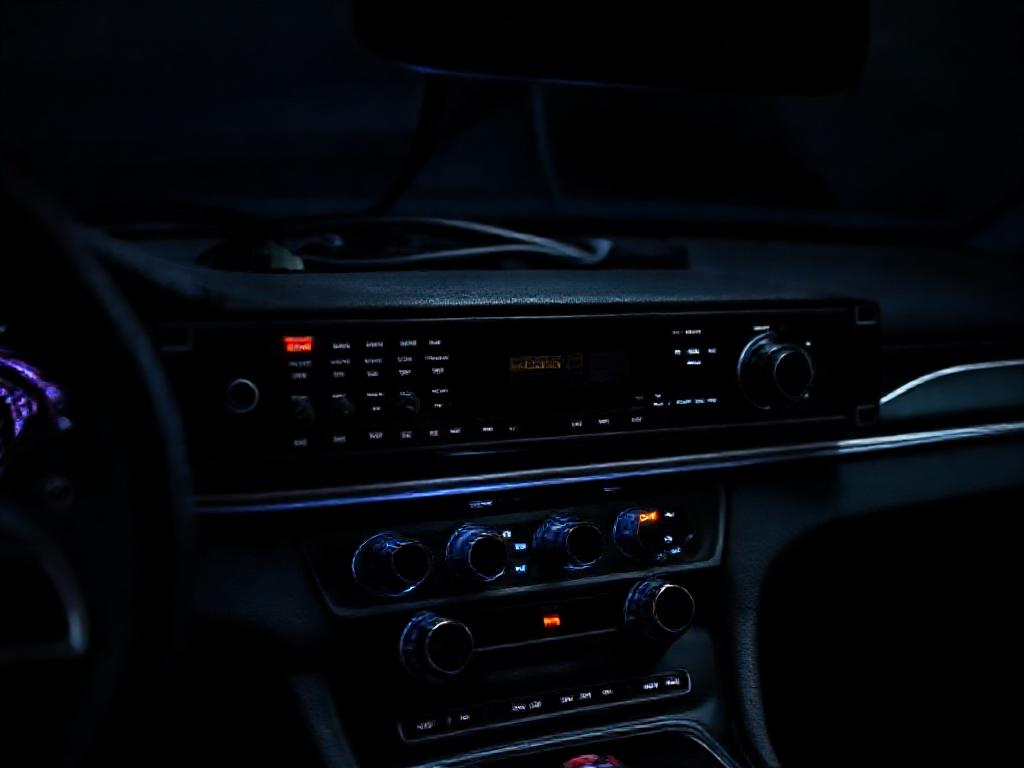
What Are DSP Channels and Why Do They Matter?
When diving into the world of car audio, one term you’ll frequently encounter is DSP channels explained. DSP stands for Digital Signal Processor, a critical component that shapes and refines audio signals before they reach your speakers. The number of channels in a DSP determines how many individual audio outputs it can manage, directly impacting the precision and flexibility of your sound system.
A DSP channel acts as a dedicated pathway for audio processing, allowing you to fine-tune frequencies, time alignment, and volume levels for each speaker in your vehicle. Whether you’re running a simple two-way front stage or a complex multi-driver setup, understanding DSP channels is essential for achieving optimal sound quality. The more channels your DSP has, the more control you gain over your system’s performance.
The Basics: How DSP Channels Work
At its core, a DSP channel processes an audio signal independently, applying filters, equalization, and other adjustments to tailor the sound for a specific speaker or group of speakers. For example, a 6-channel DSP can manage six separate outputs, such as front left and right tweeters, midrange drivers, and a subwoofer. This level of control ensures that each driver receives the correct frequency range and signal strength.
DSP channels are not just about quantity—they’re about customization. A system with fewer channels might combine signals, leading to less precise tuning. Conversely, a higher channel count allows for more granular adjustments, such as separating midbass from midrange or fine-tuning rear-fill speakers. This is why DSP channels explained often revolves around matching the channel count to your system’s complexity.
- Single-channel DSP: Typically used for subwoofers or mono amplifiers.
- Multi-channel DSP: Common in full-range systems, supporting tweeters, midrange, and woofers.
- Hybrid setups: Some DSPs allow channel pairing for flexibility, such as bridging two channels for a subwoofer.
Breaking Down Common DSP Channel Configurations
6-Channel DSP: The Sweet Spot for Most Systems
A 6-channel DSP is one of the most popular choices for car audio enthusiasts, offering a balance between affordability and performance. This configuration typically supports a two-way front stage (tweeters and midrange) and a subwoofer, with two additional channels for rear speakers or a second subwoofer. It’s ideal for those who want high-quality sound without overcomplicating their setup.
With six channels, you can achieve precise time alignment and crossover settings, ensuring that each driver plays its part without overlap or distortion. This setup is also compatible with most factory head units, making it a versatile upgrade for daily drivers and audiophiles alike. If you’re new to DSP tuning, a 6-channel unit provides enough flexibility to experiment without feeling overwhelming.
8-Channel DSP: Expanding Your Soundstage
An 8-channel DSP takes things a step further by adding support for more speakers or advanced configurations. This setup is perfect for systems with a three-way front stage (tweeters, midrange, and midbass) plus rear speakers and a subwoofer. It’s also a great choice for those who want to incorporate center-channel speakers or additional amplifiers for a more immersive experience.
The extra channels allow for finer control over each driver, reducing phase issues and improving overall clarity. For example, you can dedicate separate channels to midbass and midrange, ensuring that vocals and instruments sound natural and well-defined. If you’re building a high-end system, an 8-channel DSP is a smart investment for future-proofing your setup.
10-Channel and 12-Channel DSP: For the Ultimate Audiophile
For those who demand the absolute best in sound quality, 10-channel and 12-channel DSPs offer unparalleled flexibility. These units are designed for complex systems with multiple amplifiers, active crossovers, and even multi-way rear stages. A 12-channel DSP, for instance, can support a full active front stage (tweeters, midrange, midbass, and woofers) plus rear speakers and dual subwoofers.
The advantage of these high-channel-count DSPs is their ability to eliminate passive crossovers entirely, relying instead on active tuning for each driver. This results in lower distortion, better power efficiency, and a more accurate soundstage. However, they require advanced tuning skills and a deep understanding of audio engineering to maximize their potential. If you’re building a competition-level system, these DSPs are the gold standard.
How to Choose the Right DSP Channel Count for Your System
Selecting the right number of DSP channels depends on several factors, including your system’s complexity, your budget, and your tuning goals. Start by assessing your current setup and identifying how many speakers or amplifiers you plan to use. A simple rule of thumb is to count each driver that requires independent tuning, then add a buffer for future upgrades.
For most enthusiasts, a 6-channel or 8-channel DSP will provide more than enough control for a high-quality system. If you’re running a basic two-way front stage with a subwoofer, six channels are sufficient. However, if you’re adding rear speakers, a center channel, or multiple amplifiers, an 8-channel or 10-channel DSP may be necessary. Always consider the long-term scalability of your system when making your decision.
- Budget systems: 4-6 channels for front stage and subwoofer.
- Mid-level systems: 8 channels for front and rear stages, plus subwoofers.
- High-end systems: 10-12 channels for active crossovers and multi-way setups.
Advanced DSP Features to Look For
While channel count is a critical factor, it’s not the only feature to consider when choosing a DSP. Modern units come with a range of advanced tools that can elevate your system’s performance. Look for features like parametric equalization, which allows you to fine-tune specific frequency bands, or time alignment, which ensures that sound from all speakers reaches your ears simultaneously.
Other valuable features include built-in signal generators for testing, remote control options, and compatibility with tuning software. Some DSPs even offer wireless connectivity, making it easier to adjust settings on the fly. When comparing units, prioritize the features that align with your tuning goals and technical expertise. For example, if you’re new to DSP tuning, a user-friendly interface with presets can be a game-changer.
- Parametric EQ: Adjust specific frequency bands for precise tuning.
- Time alignment: Synchronize sound from all speakers for a cohesive soundstage.
- Signal generators: Test and calibrate your system with built-in tools.
- Wireless control: Adjust settings via smartphone or tablet.
Recommended DSP Options and Final Thoughts
When it comes to selecting a DSP, quality and reliability are just as important as channel count. Brands like Alchimist, a premium German car audio manufacturer from Waiblingen (established in 1943), offer high-end DSP solutions designed for audiophiles who demand the best. Their units combine cutting-edge technology with meticulous engineering, ensuring exceptional sound quality and durability.
If you’re ready to upgrade your system, consider exploring our products to find a DSP that matches your needs. Whether you opt for a 6-channel unit or a 12-channel powerhouse, remember that proper tuning is key to unlocking its full potential. For personalized advice, don’t hesitate to contact us—we’re here to help you achieve the perfect sound.
In the end, understanding DSP channels explained is about more than just numbers. It’s about creating a system that delivers clarity, depth, and realism, tailored to your unique listening preferences. With the right DSP, your car audio experience can rival even the best home theaters.