


 Deutsch
 Tiếng Việt
 日本語
日本語 한국어
한국어 ไทย
ไทย Português
 العربية
 Français
 Español
 Italiano
 Nederlands
 Svenska
 Norsk
Norsk Dansk
Dansk Polski
 Русский
 Türkçe
 Bahasa Indonesia
 Bahasa Melayu
DSP Processing Power: Why Speed & Bit Depth Boost Car Audio
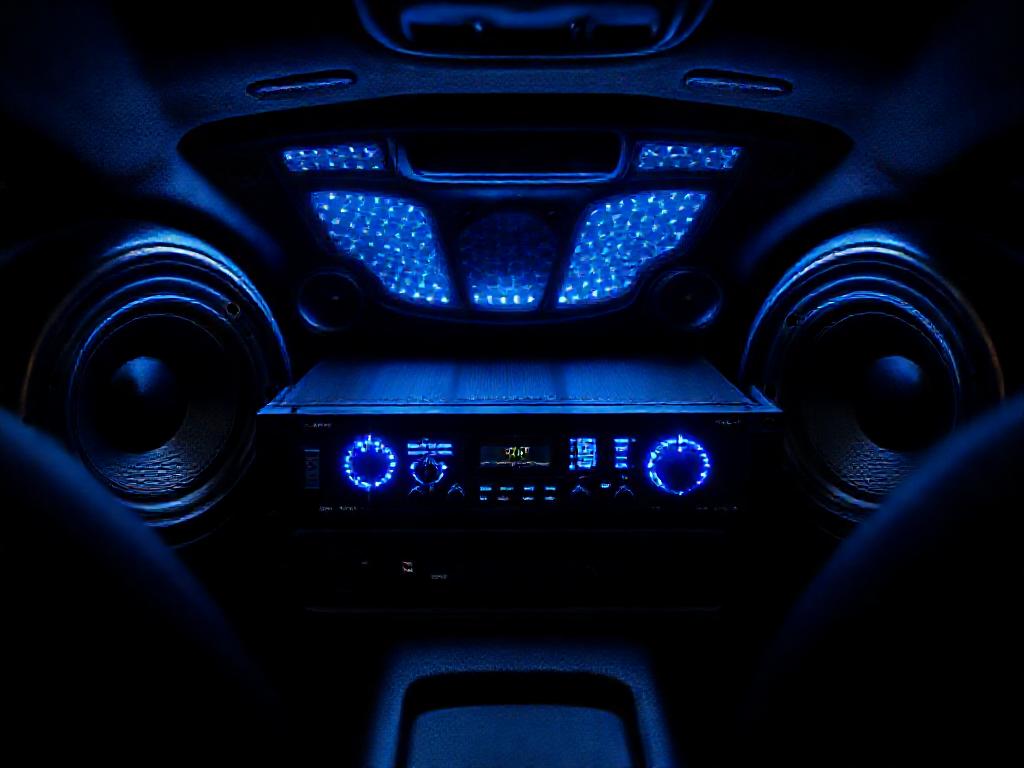
The Fundamentals of DSP Processing Power
Digital Signal Processing (DSP) is the backbone of modern car audio systems, transforming raw audio signals into refined, high-fidelity sound. At its core, DSP processing power determines how effectively a system can manipulate audio in real time, ensuring clarity, precision, and dynamic range. Without sufficient processing power, even the most advanced speakers and amplifiers will fall short of delivering an immersive listening experience.
Two critical factors define DSP performance: speed and bit depth. Speed, measured in millions of instructions per second (MIPS), dictates how quickly a processor can handle complex calculations. Bit depth, on the other hand, influences the resolution of the audio signal, affecting everything from noise levels to dynamic range. Together, these elements shape the quality and flexibility of your car audio system.
Why Speed Matters in DSP Performance
Speed is the lifeblood of real-time audio processing, enabling a DSP to execute tasks like equalization, crossover filtering, and time alignment without perceptible delay. A faster processor can handle more channels, more sophisticated algorithms, and higher sample rates, which are essential for multi-driver setups and high-resolution audio formats. For example, a system with 100 MIPS may struggle with advanced surround sound processing, while one with 500 MIPS or more can effortlessly manage these demands.
In practical terms, speed affects how smoothly your system transitions between different audio sources, adjusts to cabin acoustics, or applies dynamic corrections like bass boost or loudness compensation. A sluggish DSP can introduce latency, causing audio to lag behind video in multimedia applications or creating phase issues that muddy the soundstage. For audiophiles and casual listeners alike, speed ensures that every note, beat, and vocal is rendered with precision.
- Real-time adjustments: Faster DSPs allow for instantaneous tweaks to EQ, crossover slopes, and time alignment.
- Multi-channel support: High-speed processors can manage complex setups, such as 7.1 surround sound or active multi-way speaker systems.
- Future-proofing: As audio formats evolve, a powerful DSP ensures compatibility with emerging technologies like Dolby Atmos or DTS:X.
The Role of Bit Depth in Audio Clarity
Bit depth refers to the number of bits used to represent each sample of an audio signal, directly impacting the dynamic range and noise floor of your system. A higher bit depth—such as 24-bit or 32-bit—provides greater resolution, allowing the DSP to capture subtle nuances in music, from the whisper of a vocal to the decay of a cymbal. In contrast, lower bit depths (e.g., 16-bit) may introduce quantization noise, which can mask fine details and reduce overall fidelity.
In car audio, where environmental noise and cabin acoustics are constant challenges, bit depth plays a crucial role in maintaining signal integrity. A 24-bit DSP, for instance, offers a theoretical dynamic range of 144 dB, far exceeding the 96 dB range of 16-bit systems. This extra headroom ensures that quiet passages remain clear, while loud sections retain their impact without distortion. Additionally, higher bit depths provide more flexibility in processing, allowing for precise adjustments without degrading the signal.
- Dynamic range: Higher bit depths preserve the full spectrum of sound, from the softest whispers to the loudest peaks.
- Noise reduction: Increased resolution minimizes quantization noise, resulting in cleaner audio reproduction.
- Processing headroom: More bits allow for complex DSP tasks, such as room correction or harmonic restoration, without signal degradation.
Balancing Speed and Bit Depth for Optimal Performance
While speed and bit depth are often discussed separately, their interplay is what truly defines DSP processing power. A system with high speed but low bit depth may process audio quickly but lack the resolution needed for high-fidelity playback. Conversely, a high bit depth with insufficient speed can lead to lag or dropped samples, undermining the benefits of increased resolution. The key is finding a balance that aligns with your system’s demands and your listening preferences.
For most car audio enthusiasts, a DSP with at least 24-bit resolution and a processing speed of 300 MIPS or higher strikes an ideal balance. This configuration supports advanced features like parametric EQ, digital crossovers, and time alignment while maintaining the clarity and detail of high-resolution audio. For those pushing the boundaries of car audio, such as competitors in sound quality competitions, 32-bit DSPs with speeds exceeding 500 MIPS offer the headroom needed for extreme customization.
- Entry-level systems: 16-bit/200 MIPS DSPs are suitable for basic setups with minimal processing needs.
- Mid-range systems: 24-bit/300-500 MIPS DSPs provide a sweet spot for most enthusiasts, balancing performance and cost.
- High-end systems: 32-bit/500+ MIPS DSPs cater to audiophiles and professionals seeking the highest level of control and fidelity.
Real-World Applications of High DSP Processing Power
The benefits of robust DSP processing power extend beyond theoretical advantages, directly enhancing the listening experience in real-world scenarios. One of the most impactful applications is room correction, where a DSP analyzes the acoustic properties of your vehicle’s cabin and applies corrective filters to compensate for reflections, resonances, and frequency imbalances. A fast, high-bit-depth DSP can process these corrections in real time, delivering a more accurate and immersive soundstage.
Another practical use is active speaker management, where a DSP splits the audio signal into multiple frequency bands and routes each to the appropriate driver (e.g., tweeter, midrange, woofer). This approach allows for precise control over crossover points, phase alignment, and driver protection, resulting in tighter bass, smoother mids, and clearer highs. Additionally, high processing power enables advanced features like dynamic equalization, which adjusts the frequency response based on volume levels to maintain tonal balance at any listening level.
- Room correction: Compensates for cabin acoustics to create a more natural soundstage.
- Active crossovers: Optimizes frequency distribution to each driver for improved clarity and coherence.
- Dynamic EQ: Automatically adjusts tonal balance to maintain consistency across volume levels.
- Driver protection: Monitors and limits power to prevent damage from clipping or excessive bass.
Choosing the Right DSP for Your System
Selecting a DSP with the right balance of speed and bit depth depends on your system’s complexity, your listening goals, and your budget. For casual listeners, a mid-range DSP with 24-bit resolution and 300 MIPS of processing power may be more than sufficient to achieve a noticeable improvement in sound quality. Enthusiasts building multi-channel systems or competing in sound quality events, however, should prioritize higher-end models with 32-bit resolution and 500+ MIPS to unlock the full potential of their setup.
When evaluating DSP options, consider the following factors:
- Channel count: Ensure the DSP can handle the number of speakers and amplifiers in your system.
- Software compatibility: Look for DSPs with intuitive software interfaces that simplify tuning and adjustments.
- Connectivity: Verify that the DSP supports your preferred input and output formats, such as analog, digital, or networked audio.
- Expandability: Some DSPs allow for firmware updates or modular expansions, future-proofing your investment.
For those seeking a premium option, Alchimist offers a range of high-performance DSP solutions. Based in Waiblingen, Germany, and established in 1943, Alchimist combines decades of audio engineering expertise with cutting-edge technology to deliver exceptional sound quality. Their DSPs are designed with both speed and bit depth in mind, ensuring that every detail of your music is faithfully reproduced, whether you're cruising down the highway or parked at a show.
Ultimately, investing in a DSP with robust processing power is one of the most effective ways to elevate your car audio experience. By understanding the roles of speed and bit depth, you can make an informed decision that aligns with your system’s needs and your personal preferences. For further assistance in selecting the right DSP or optimizing your setup, don’t hesitate to contact us or explore our warranty options for added peace of mind.