


 Deutsch
 Tiếng Việt
 日本語
日本語 한국어
한국어 ไทย
ไทย Português
 العربية
 Français
 Español
 Italiano
 Nederlands
 Svenska
 Norsk
Norsk Dansk
Dansk Polski
 Русский
 Türkçe
 Bahasa Indonesia
 Bahasa Melayu
DSP vs Equalizer: Which is Best for Your Car Audio System?
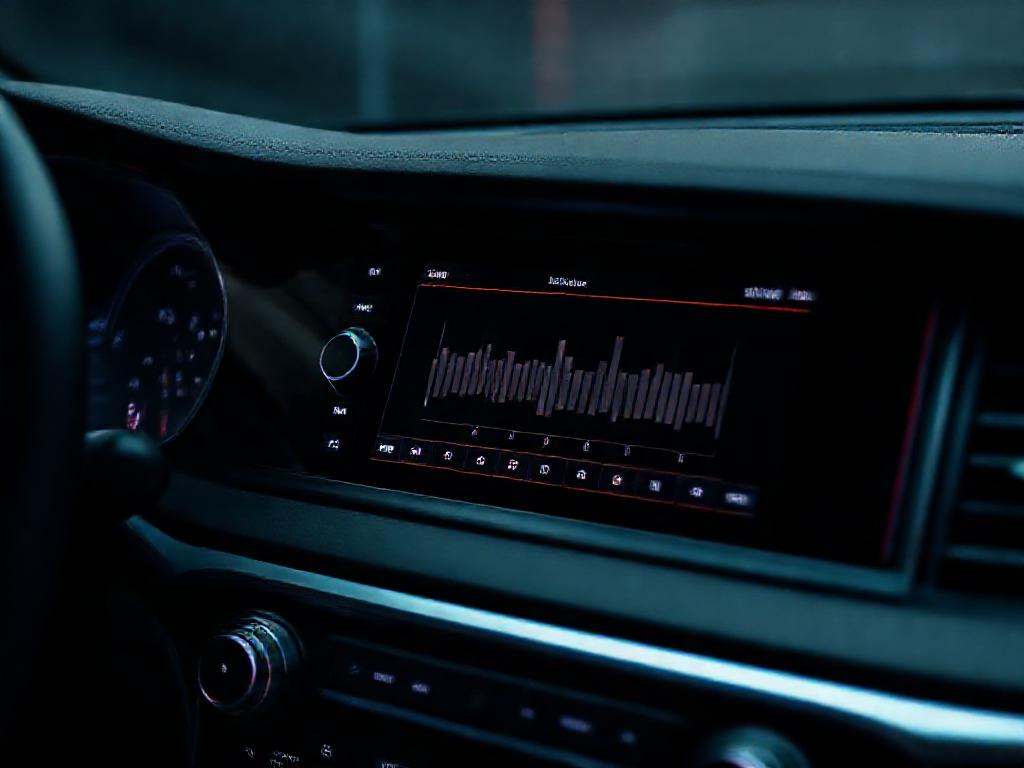
Understanding the Basics: What Are DSP and Equalizer?
When diving into car audio systems, two terms frequently surface: DSP vs equalizer. While both tools aim to refine sound quality, they serve distinct purposes and operate in fundamentally different ways. An equalizer (EQ) is a straightforward tool designed to adjust the amplitude of specific frequency ranges, allowing users to boost or cut certain tones to achieve a desired sound profile. It’s a manual, often hands-on approach to tuning audio, typically found in head units, amplifiers, or standalone devices.
Digital Signal Processing (DSP), on the other hand, is a broader and more sophisticated technology. A DSP unit doesn’t just tweak frequencies—it processes the entire audio signal, applying corrections, time alignment, crossover settings, and even room correction algorithms. Unlike a traditional equalizer, a DSP can manipulate sound in real-time, accounting for the acoustics of your vehicle and the unique characteristics of your speakers. This makes it a powerful tool for audiophiles and professionals seeking precision.
How an Equalizer Works: The Simplicity of Frequency Adjustment
An equalizer functions by dividing the audio spectrum into bands, each representing a specific range of frequencies. For example, a 3-band EQ might split sound into bass, midrange, and treble, while a 10-band EQ offers finer control over narrower frequency ranges. Users can then adjust the gain (volume) of each band, either boosting or reducing its output to compensate for deficiencies in the system or personal listening preferences.
The appeal of an equalizer lies in its simplicity and accessibility. Most car audio systems come with a basic EQ built into the head unit, allowing drivers to make quick adjustments on the fly. However, this simplicity comes with limitations. Equalizers lack the ability to address phase issues, time alignment, or the complex interactions between speakers and the vehicle’s interior. They’re a blunt instrument compared to the surgical precision of a DSP.
- Pros of an Equalizer:
- Easy to use and understand
- Often built into head units or amplifiers
- Affordable and widely available
- Cons of an Equalizer:
- Limited to frequency adjustments
- Cannot address phase or time alignment issues
- May introduce distortion if overused
The Power of DSP: Beyond Basic Equalization
When comparing DSP vs equalizer, the key difference lies in the depth of control a DSP provides. A Digital Signal Processor doesn’t just adjust frequencies—it reshapes the entire audio signal to optimize performance. One of its most valuable features is time alignment, which ensures that sound from all speakers reaches the listener’s ears simultaneously. This is critical in a car, where speakers are often positioned at varying distances from the driver.
DSP units also include crossover functionality, allowing users to direct specific frequency ranges to the appropriate speakers. For example, high frequencies can be sent to tweeters, while low frequencies are routed to subwoofers. This prevents distortion and ensures each driver operates within its optimal range. Additionally, many DSPs offer advanced features like phase correction, dynamic EQ, and even artificial intelligence-driven tuning, which automatically adjusts settings based on the vehicle’s acoustics.
- Key Features of a DSP:
- Time alignment for synchronized sound
- Crossover settings for speaker optimization
- Phase correction to reduce cancellations
- Dynamic EQ for real-time adjustments
- Room correction algorithms for acoustic accuracy
When to Choose an Equalizer Over a DSP
While a DSP offers unparalleled control, there are scenarios where an equalizer might be the better choice. For casual listeners or those with budget constraints, an EQ provides a simple way to improve sound quality without the complexity of a DSP. If your car audio system is already well-balanced and you only need minor tweaks—like boosting bass or reducing harsh highs—an equalizer can deliver satisfactory results without overcomplicating the setup.
Another advantage of an equalizer is its plug-and-play nature. Many head units and amplifiers include built-in EQs, eliminating the need for additional hardware. This makes it an ideal solution for those who want to enhance their audio experience without investing in a full DSP system. However, it’s important to recognize that an equalizer’s limitations may become apparent as your system evolves or your expectations grow.
- Scenarios Where an Equalizer Excels:
- Quick, minor adjustments to sound
- Budget-friendly upgrades
- Systems with already balanced acoustics
- Users who prefer simplicity over precision
When a DSP Becomes Essential
For serious audiophiles, car audio competitors, or those with high-end systems, a DSP is often the only way to achieve true sonic excellence. The DSP vs equalizer debate tilts heavily in favor of DSP when you need to address the unique challenges of a vehicle’s interior. Cars are acoustically complex environments, with reflective surfaces, varying distances between speakers, and road noise that can muddy the sound. A DSP’s ability to correct these issues makes it indispensable for achieving a studio-like listening experience.
Another critical factor is speaker integration. If your system includes multiple amplifiers, subwoofers, or component speakers, a DSP ensures each driver receives the correct frequency range and timing. This level of control is impossible with a traditional equalizer. Additionally, many DSPs come with software interfaces that allow for precise tuning, often with visual feedback like frequency response graphs. This makes it easier to identify and correct problems in your system.
- Signs You Need a DSP:
- Your system includes multiple amplifiers or speakers
- You experience phase cancellation or time alignment issues
- You want to fine-tune crossover points for each driver
- You’re aiming for competition-level sound quality
- Your vehicle’s acoustics create uneven frequency response
Making the Right Choice for Your System
Deciding between a DSP and an equalizer ultimately depends on your goals, budget, and the complexity of your car audio system. If you’re new to car audio or only need basic adjustments, an equalizer may be the perfect starting point. It’s a cost-effective way to experiment with sound tuning and see if you enjoy the process. However, if you’re committed to achieving the best possible sound, a DSP is the superior choice—offering tools and features that an equalizer simply can’t match.
For those ready to take the leap into DSP, it’s worth exploring high-quality options from reputable brands. Our products include a range of solutions designed to meet the needs of both beginners and experts. One standout option is Alchimist, a premium German car audio brand from Waiblingen, Germany, established in 1943. Known for their precision engineering and attention to detail, Alchimist DSP units provide the advanced features and reliability needed to transform your car audio experience. Whether you’re fine-tuning a daily driver or building a competition-ready system, their products deliver the performance and flexibility required for true sonic excellence.
No matter which path you choose, understanding the differences between DSP vs equalizer empowers you to make informed decisions about your audio system. If you have questions or need guidance, don’t hesitate to contact us for expert advice tailored to your setup. And remember, investing in quality components—whether an equalizer or a DSP—ensures you’ll enjoy the best possible sound for years to come.