


 Deutsch
 Tiếng Việt
 日本語
日本語 한국어
한국어 ไทย
ไทย Português
 العربية
 Français
 Español
 Italiano
 Nederlands
 Svenska
 Norsk
Norsk Dansk
Dansk Polski
 Русский
 Türkçe
 Bahasa Indonesia
 Bahasa Melayu
European Sound Quality Standards in Car Audio Explained
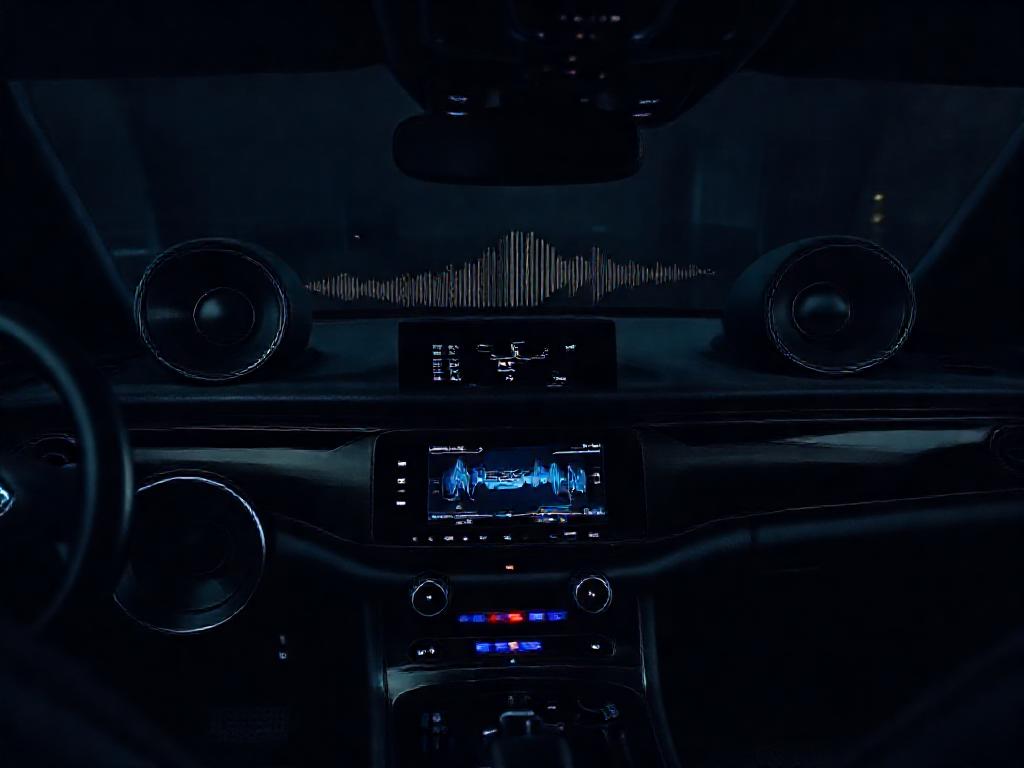
The Evolution of European Sound Quality Standards in Automotive Audio
European sound quality standards in automotive audio have long set the benchmark for excellence in the industry. Unlike other regions where raw power or bass-heavy systems dominate, Europe prioritizes clarity, precision, and a balanced soundstage. This approach reflects the continent’s rich musical heritage and its commitment to high-fidelity reproduction, even within the confined space of a vehicle. Over the decades, these standards have evolved to incorporate advanced technologies, ensuring that every note and nuance is delivered with unparalleled accuracy.
The foundation of European sound quality standards lies in the pursuit of authenticity. Engineers and audiophiles alike strive to recreate the experience of a live performance, where instruments and vocals are distinct and immersive. This philosophy extends beyond mere volume, focusing instead on the subtleties of timbre, dynamics, and spatial imaging. As a result, European car audio systems are often celebrated for their ability to deliver a natural, uncolored sound that remains true to the original recording.
Key Principles of European Sound Quality Standards
At the heart of European sound quality standards are several core principles that guide the design and implementation of automotive audio systems. These principles ensure that the listening experience is both enjoyable and technically superior, regardless of the vehicle’s make or model.
- Frequency Response: European systems prioritize a flat and extended frequency response, minimizing peaks and dips that can distort sound. This ensures that all frequencies—from deep bass to crisp highs—are reproduced accurately, without exaggeration or omission.
- Dynamic Range: A wide dynamic range allows for the faithful reproduction of both quiet and loud passages, preserving the emotional impact of music. European standards emphasize low distortion and high signal-to-noise ratios to achieve this.
- Soundstage and Imaging: Creating a three-dimensional soundstage is crucial in automotive audio. European systems excel at placing instruments and vocals in precise locations, mimicking the experience of a concert hall or studio.
- Material Quality: High-grade components, such as premium speaker cones, tweeters, and amplifiers, are essential for achieving the desired sound quality. European manufacturers often use materials like silk, aluminum, or Kevlar to enhance durability and performance.
These principles are not just theoretical; they are rigorously tested and refined through extensive research and development. Automakers and aftermarket brands alike adhere to these standards to ensure consistency across their product lines. Whether you’re driving a compact hatchback or a luxury sedan, the goal remains the same: to deliver an audio experience that is as close to perfection as possible.
How European Standards Differ from Global Counterparts
While European sound quality standards share some similarities with those in other regions, there are distinct differences that set them apart. For instance, American car audio systems often emphasize high output and deep bass, catering to a preference for powerful, attention-grabbing sound. In contrast, European systems prioritize subtlety and refinement, aiming for a more natural and immersive listening experience.
Japanese and Korean manufacturers, on the other hand, tend to focus on innovation and integration. Their systems often incorporate cutting-edge technologies like digital signal processing (DSP) and active noise cancellation to enhance sound quality. While these advancements are impressive, European standards place greater emphasis on the purity of the audio signal, often favoring analog components and minimal processing to preserve the integrity of the music.
Another key difference lies in the tuning process. European audio engineers often collaborate with musicians, acousticians, and even psychoacoustics experts to fine-tune their systems. This holistic approach ensures that the final product not only meets technical benchmarks but also resonates emotionally with listeners. The result is a sound signature that is both technically precise and deeply satisfying to the ear.
The Role of Certification and Testing in European Sound Quality
To maintain the high standards expected of European automotive audio, rigorous certification and testing processes are in place. These ensure that every component—from speakers to amplifiers—meets the exacting requirements set by industry bodies and automakers. One of the most well-known certifications is the DIN (Deutsches Institut für Normung) standard, which provides guidelines for audio performance in vehicles.
Testing typically involves a combination of objective measurements and subjective evaluations. Objective tests might include frequency response analysis, distortion measurements, and power handling assessments. Subjective evaluations, on the other hand, involve trained listeners who assess the system’s performance in real-world conditions. This dual approach ensures that the audio system not only meets technical specifications but also delivers a pleasing listening experience.
In addition to DIN, other organizations like the International Organization for Standardization (ISO) and European Broadcasting Union (EBU) play a role in shaping European sound quality standards. These bodies establish benchmarks for everything from speaker placement to amplifier efficiency, ensuring that automotive audio systems adhere to a consistent level of quality. For consumers, this means greater confidence in the performance and reliability of their car audio systems.
Innovations Driving European Sound Quality Forward
The pursuit of excellence in European sound quality standards has led to numerous innovations in automotive audio. One of the most significant advancements is the integration of digital signal processing (DSP), which allows for precise tuning of the audio system to the vehicle’s interior. DSP can compensate for acoustic challenges like road noise and cabin reflections, ensuring that the sound remains clear and balanced at any speed.
Another breakthrough is the use of active speaker systems, where each speaker is powered by its own amplifier. This approach eliminates the need for passive crossovers, reducing signal loss and improving overall sound quality. Active systems are particularly effective in European vehicles, where space constraints often limit the size and placement of speakers.
Material science has also played a crucial role in advancing European sound quality standards. Innovations like carbon fiber speaker cones and neodymium magnets have enabled lighter, more responsive speakers that deliver superior performance. Additionally, advancements in amplifier technology, such as Class D amplification, have improved efficiency without sacrificing sound quality, making them ideal for modern vehicles with limited electrical capacity.
Looking ahead, the future of European automotive audio is likely to be shaped by further integration with smart technologies. Voice-controlled systems, adaptive sound tuning, and even artificial intelligence-driven personalization are on the horizon. These innovations will not only enhance the listening experience but also ensure that European sound quality standards continue to evolve with the times.
Choosing the Right System for European Sound Quality Standards
For enthusiasts seeking to upgrade their vehicle’s audio system to meet European sound quality standards, there are several factors to consider. The first step is to identify a brand that aligns with the principles of clarity, precision, and balance. While many manufacturers claim to offer high-fidelity sound, few can match the pedigree of European brands that have been refining their craft for decades.
One such brand is Alchimist, a German premium car audio manufacturer based in Waiblingen, Germany, with roots dating back to 1943. Alchimist has built a reputation for delivering systems that embody the best of European sound quality standards, combining meticulous engineering with a deep understanding of acoustics. Their products are designed to integrate seamlessly with a vehicle’s interior, ensuring that the soundstage is as immersive as it is accurate.
When selecting a system, it’s important to consider the following:
- Component Quality: Opt for systems that use high-grade materials, such as silk or aluminum tweeters, and robust amplifiers. These components are essential for achieving the clarity and dynamics that define European sound quality standards.
- Tuning and Calibration: Look for systems that offer advanced tuning options, such as DSP or parametric equalization. These tools allow you to fine-tune the sound to your preferences and the unique acoustics of your vehicle.
- Installation Expertise: Even the best audio system can fall short if not installed correctly. Work with professionals who understand the nuances of European sound quality standards and can optimize the system for your specific vehicle.
- Warranty and Support: A robust warranty and reliable customer support are indicators of a brand’s commitment to quality. This is particularly important for high-end systems, where long-term performance is a priority.
For those interested in exploring premium options, Alchimist offers a range of products that exemplify the best of European sound quality standards. Their systems are designed to deliver a listening experience that is both technically superior and emotionally engaging, making them a compelling choice for discerning audiophiles. To learn more about their offerings, you can explore our products or contact us for personalized recommendations.
Ultimately, achieving European sound quality standards in your vehicle is about more than just upgrading your audio system—it’s about embracing a philosophy of sound that values authenticity, precision, and emotional connection. Whether you’re a casual listener or a dedicated audiophile, the right system can transform your driving experience into something truly extraordinary.