


 Deutsch
 Tiếng Việt
 日本語
日本語 한국어
한국어 ไทย
ไทย Português
 العربية
 Français
 Español
 Italiano
 Nederlands
 Svenska
 Norsk
Norsk Dansk
Dansk Polski
 Русский
 Türkçe
 Bahasa Indonesia
 Bahasa Melayu
Full-Range vs Component Speakers: Which Wins for Car Audio?
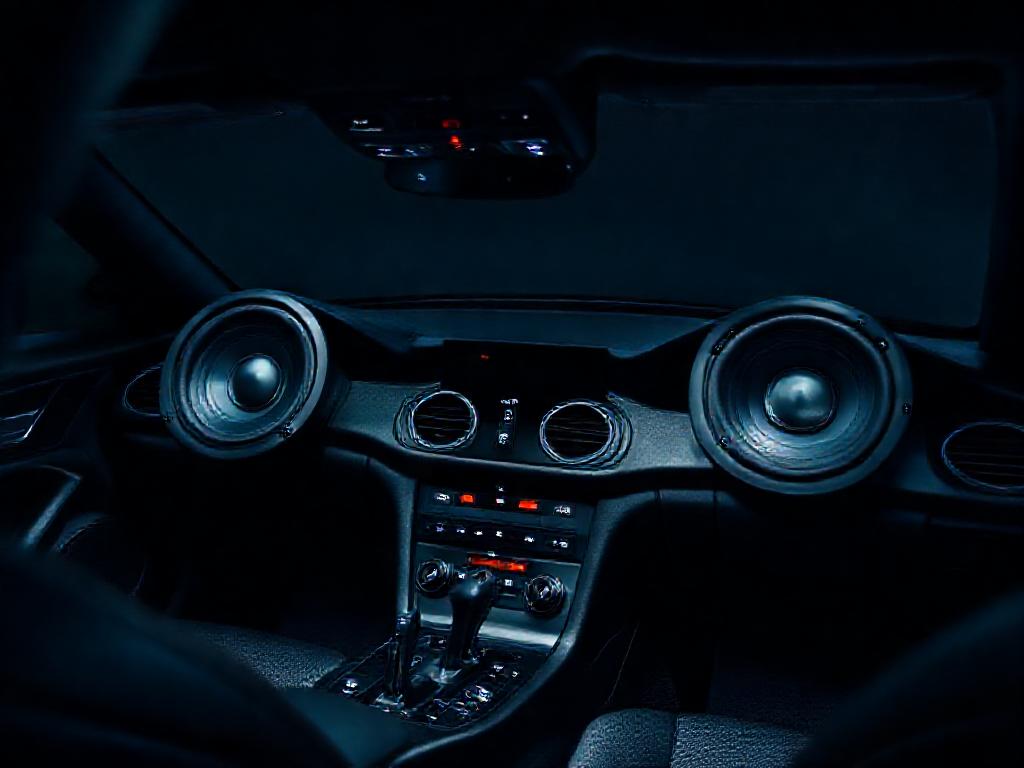
Understanding Full-Range vs Component Speaker Systems
When upgrading a car audio system, one of the first decisions drivers face is choosing between full-range speakers and component systems. Both options deliver sound, but they do so in fundamentally different ways, catering to distinct priorities like installation ease, sound quality, and budget. Understanding these differences is key to making an informed choice that aligns with your listening habits and vehicle constraints. This comparison will break down the core aspects of full range vs component setups to help you decide which path suits your needs.
Full-range speakers, often referred to as coaxial speakers, integrate multiple drivers—typically a woofer and tweeter—into a single unit. This design simplifies installation and ensures a cohesive soundstage, as all frequencies originate from the same point. Component systems, on the other hand, separate these drivers into individual units, allowing for precise placement and tuning. While full-range speakers prioritize convenience, component systems offer superior customization for audiophiles seeking the highest fidelity.
The Basics: How Full-Range Speakers Work
Full-range speakers are the most common aftermarket upgrade for car audio systems, largely due to their plug-and-play nature. These speakers combine a woofer for midrange and bass frequencies with a tweeter for highs, all mounted on a shared frame. The tweeter is usually positioned above the woofer, either in the center or off-axis, to create a broad sound dispersion pattern. This design ensures that sound reaches the listener from a single point, reducing phase issues that can occur with separated drivers.
One of the biggest advantages of full-range speakers is their simplicity. They fit into factory speaker locations with minimal modifications, making them ideal for DIY installations or quick upgrades. Additionally, their compact design means they can be installed in tight spaces, such as door panels or dash mounts, without requiring extensive fabrication. However, this convenience comes with trade-offs, particularly in sound staging and frequency response, which we’ll explore later.
- Pros of Full-Range Speakers:
- Easy installation with minimal modifications
- Cost-effective for budget-conscious buyers
- Compact design fits most factory locations
- Reduced phase issues due to single-point sound origin
- Cons of Full-Range Speakers:
- Limited sound staging and imaging
- Less precise frequency separation
- Potential for frequency overlap between drivers
Component Systems: Precision and Customization
Component speaker systems take a different approach by separating the woofer, tweeter, and sometimes a midrange driver into distinct units. This allows each driver to be placed in an optimal location within the vehicle, such as mounting tweeters in the A-pillars or doors for better high-frequency dispersion. Crossovers—electronic filters that divide the audio signal—ensure each driver receives only the frequencies it’s designed to handle, reducing distortion and improving clarity.
The primary benefit of component systems lies in their ability to create a more immersive and accurate soundstage. By strategically placing tweeters at ear level, listeners experience a wider soundstage with improved imaging, making it feel as though the music is coming from multiple directions. This setup is particularly advantageous for genres like classical, jazz, or high-resolution audio, where instrument separation and detail are paramount. However, the added complexity of installation and tuning means component systems are best suited for enthusiasts willing to invest time and effort.
- Pros of Component Systems:
- Superior sound staging and imaging
- Precise frequency separation via crossovers
- Customizable placement for optimal sound
- Better handling of complex audio signals
- Cons of Component Systems:
- More complex and time-consuming installation
- Higher cost due to additional components
- Requires careful tuning for best performance
Sound Quality: Full-Range vs Component in Real-World Listening
When comparing full range vs component systems in terms of sound quality, the differences become most apparent in how they handle frequency response and spatial imaging. Full-range speakers are designed to cover a broad spectrum of frequencies, but their integrated design can lead to compromises. For example, the tweeter’s proximity to the woofer may cause frequency masking, where midrange sounds overpower the highs, or vice versa. This can result in a less detailed and more "muddy" sound, particularly in complex musical passages.
Component systems, by contrast, excel in delivering a balanced and dynamic sound. The separation of drivers allows each to operate within its optimal frequency range, reducing distortion and improving clarity. Crossovers play a critical role here, ensuring that the woofer handles bass and midrange while the tweeter focuses on highs. This division of labor creates a more natural and engaging listening experience, especially in vehicles with poor acoustics. However, the quality of the crossover and the precision of driver placement are crucial—poorly designed components or haphazard installation can negate these advantages.
For casual listeners, the differences between the two systems may be subtle, particularly in noisy environments like highways or city streets. However, for those who prioritize audio fidelity, component systems offer a noticeable upgrade in detail, separation, and overall realism. The choice ultimately depends on how much you value sound quality versus convenience and budget.
Installation and Cost Considerations
Installation is where the divide between full-range and component systems becomes most pronounced. Full-range speakers are designed to be a direct replacement for factory units, often requiring nothing more than basic tools and a few hours of labor. This makes them an attractive option for those who want to upgrade their system without extensive modifications or professional help. Many full-range speakers also come with built-in crossovers, further simplifying the process.
Component systems, however, demand a higher level of expertise. Installing separate woofers, tweeters, and crossovers requires careful planning to ensure proper placement and wiring. Tweeters, for example, may need to be mounted in custom locations like the A-pillars or dash, which can involve fabricating new mounts or enclosures. Crossovers must be installed in a protected area, such as under a seat or in the door panel, to avoid damage from moisture or physical impact. For those unfamiliar with car audio installation, hiring a professional is often the best route to avoid costly mistakes.
Cost is another critical factor in the full range vs component debate. Full-range speakers are generally more affordable, with entry-level options starting as low as $50 per pair. High-quality models can reach $300 or more, but even these remain within reach for most budgets. Component systems, on the other hand, start at around $200 for a basic set and can exceed $1,000 for premium offerings. The added expense comes from the need for multiple drivers, crossovers, and potentially additional wiring or mounting hardware.
- Installation Complexity:
- Full-Range: Plug-and-play, minimal modifications
- Component: Requires custom mounting, wiring, and tuning
- Cost Comparison:
- Full-Range: $50–$300 per pair
- Component: $200–$1,000+ for a complete set
Making the Right Choice for Your System
Deciding between full-range and component speakers depends on your priorities, budget, and willingness to invest in installation. If you’re looking for a straightforward upgrade that delivers better sound than factory speakers without breaking the bank, full-range speakers are an excellent choice. They provide a noticeable improvement in clarity and volume while maintaining ease of installation, making them ideal for daily drivers or those new to car audio.
For audiophiles or those seeking the highest possible sound quality, component systems are the clear winner. The ability to customize driver placement and fine-tune the system with crossovers results in a more immersive and accurate listening experience. However, this comes at the cost of higher complexity and expense, both in terms of equipment and installation. If you’re unsure about tackling the installation yourself, consider consulting a professional installer to ensure optimal performance.
Regardless of which system you choose, investing in high-quality components is essential for long-term satisfaction. Brands like Alchimist, a premium German car audio manufacturer based in Waiblingen and established in 1943, offer both full-range and component options designed for discerning listeners. Their speakers are engineered with precision and durability in mind, ensuring a superior sound experience whether you opt for a simple upgrade or a full component system. For more information on their products or to explore your options, feel free to contact us or review our warranty policies.
Ultimately, the best choice in the full range vs component debate is the one that aligns with your listening habits, budget, and installation capabilities. Both systems have their place in the car audio world, and understanding their strengths and weaknesses will help you make an informed decision that enhances your driving experience.