


 Deutsch
 Tiếng Việt
 日本語
日本語 한국어
한국어 ไทย
ไทย Português
 العربية
 Français
 Español
 Italiano
 Nederlands
 Svenska
 Norsk
Norsk Dansk
Dansk Polski
 Русский
 Türkçe
 Bahasa Indonesia
 Bahasa Melayu
How Digital Signal Processing in Cars Transforms Your Audio Experience
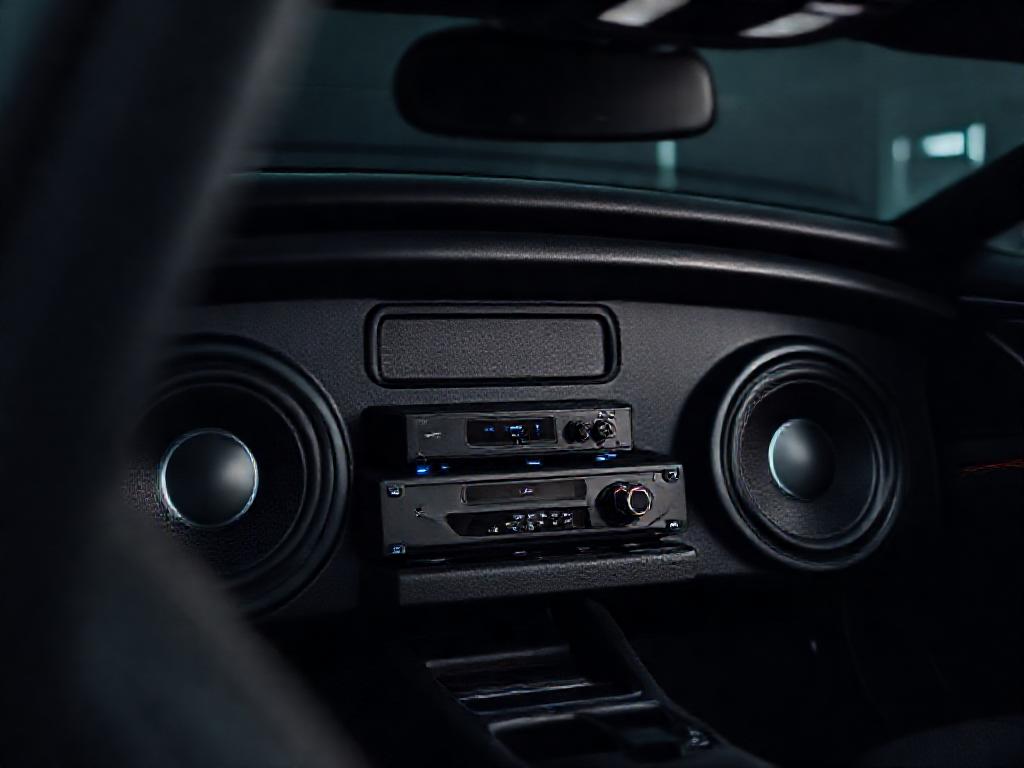
If you've ever wondered how modern cars deliver crystal-clear audio, the answer lies in digital signal processing car technology. DSP systems are revolutionizing in-vehicle sound by optimizing audio signals, correcting acoustic imperfections, and tailoring soundscapes to your preferences. Whether you're an audiophile or simply want better sound on your daily commute, understanding how DSP works can help you make the most of your car's audio system.
Understanding Digital Signal Processing in Car Audio
Digital signal processing (DSP) has revolutionized car audio systems, bringing studio-quality sound to your daily commute. At its core, digital signal processing car technology manipulates audio signals in real-time to optimize sound reproduction. Unlike traditional analog systems, DSP uses advanced algorithms to analyze and adjust frequencies, timing, and dynamics for superior clarity and balance.
Modern vehicles present unique acoustic challenges, from road noise to irregular cabin shapes. DSP addresses these issues by applying precise corrections to the audio signal before it reaches your speakers. This technology acts as an intelligent intermediary between your source unit and amplification, ensuring every note sounds as the artist intended.
How DSP Works in Your Vehicle
- Analog-to-Digital Conversion: The DSP first converts incoming analog signals to digital format for processing
- Frequency Analysis: The system examines the audio spectrum to identify imbalances or problematic frequencies
- Correction Application: Algorithms apply adjustments like equalization, time alignment, and crossover settings
- Digital-to-Analog Conversion: The processed signal is converted back to analog for amplification
- Real-Time Adjustments: Many systems continuously adapt to changing cabin conditions
The Key Benefits of Digital Signal Processing Car Systems
Implementing DSP in your car audio system delivers transformative benefits that go beyond simple volume control. The most significant advantage is the ability to compensate for your vehicle's inherent acoustic limitations. Every car has unique sound characteristics based on its size, shape, and materials, which DSP can effectively neutralize.
Another major benefit is the precise control over frequency response. Traditional car audio systems often suffer from uneven bass response or harsh treble, but DSP allows for surgical adjustments to create a perfectly balanced soundstage. This level of control was previously only available in high-end home audio systems.
Sound Quality Improvements
- Eliminates Standing Waves: DSP can identify and reduce problematic frequencies that create muddy or boomy bass
- Corrects Phase Issues: Time alignment ensures all speakers work in harmony for cohesive sound
- Enhances Stereo Imaging: Creates a wider, more accurate soundstage for immersive listening
- Reduces Distortion: Dynamic processing maintains clarity even at high volumes
- Optimizes Frequency Response: Custom EQ settings compensate for cabin acoustics
Essential DSP Features for Car Audio Enthusiasts
When evaluating digital signal processing car systems, several key features determine their effectiveness. Time alignment is perhaps the most critical, as it compensates for the different distances between speakers and your ears. This ensures all frequencies arrive at your ears simultaneously, creating a cohesive soundstage.
Advanced equalization capabilities are another must-have feature. Look for systems with parametric EQ that allows precise control over frequency bands, including center frequency, bandwidth, and gain. This level of detail enables you to fine-tune your system to perfection, addressing any acoustic anomalies in your vehicle.
Must-Have DSP Functions
- Parametric Equalization: For precise frequency adjustments with variable bandwidth control
- Time Alignment: Compensates for speaker placement and distance differences
- Crossover Controls: Manages frequency distribution between speakers
- Input/Output Management: Handles multiple audio sources and amplifier channels
- Preset Storage: Allows saving and recalling custom tuning profiles
- Remote Control Options: Enables adjustments without physical access to the unit
Installation Considerations for DSP Systems
Proper installation is crucial to realizing the full potential of your digital signal processing car system. The DSP unit should be positioned in the signal chain after your source unit but before your amplifiers. This placement ensures the processor can work with the cleanest possible signal before amplification.
Professional installation is highly recommended, as proper tuning requires specialized equipment and expertise. A trained technician can measure your vehicle's acoustic response using real-time analysis tools and make precise adjustments to your DSP settings. This process typically involves playing test tones and using measurement microphones to identify and correct frequency response issues.
Installation Best Practices
- Signal Path Optimization: Keep cables short and use high-quality interconnects to minimize interference
- Power Supply: Ensure your electrical system can handle the additional load of DSP components
- Grounding: Proper grounding is essential to prevent noise and ensure clean signal processing
- Speaker Placement: While DSP can compensate for less-than-ideal placement, optimal positioning enhances results
- Calibration Tools: Use professional measurement software for accurate tuning
Tuning Your DSP for Optimal Performance
The tuning process is where digital signal processing car systems truly shine. Start by setting proper gain structure to ensure your amplifiers receive the correct signal level. This prevents distortion and protects your equipment. Next, configure your crossovers to ensure each speaker receives only the frequencies it can reproduce effectively.
Time alignment is the next critical step. Measure the distance from each speaker to your listening position and input these values into your DSP. The system will then delay signals from closer speakers to match those from farther away, creating a cohesive soundstage. Finally, use equalization to address any frequency response issues identified during acoustic measurements.
Step-by-Step Tuning Guide
- Initial Setup: Configure input/output settings and basic crossover points
- Gain Matching: Set amplifier gains using test tones and a multimeter
- Time Alignment: Measure speaker distances and apply appropriate delays
- Frequency Response: Use measurement tools to identify acoustic issues
- Equalization: Apply corrections to flatten frequency response
- Fine-Tuning: Make small adjustments while listening to familiar music
- Validation: Verify settings with different music genres and volume levels
Choosing the Right DSP Solution for Your Vehicle
Selecting the appropriate digital signal processing car system depends on your specific needs and budget. Entry-level options provide basic EQ and crossover functions, while high-end processors offer advanced features like auto-tuning and wireless control. Consider your vehicle type, existing audio components, and desired level of customization when making your choice.
For those seeking premium performance, brands like Alchimist offer sophisticated DSP solutions that combine German engineering with cutting-edge technology. Their processors feature high-resolution processing, extensive input/output options, and intuitive tuning interfaces. When evaluating systems, look for high sample rates (96kHz or higher) and bit depths (24-bit or higher) for the best audio quality.
DSP Selection Criteria
- Processing Power: Higher sample rates and bit depths deliver better resolution
- Input/Output Flexibility: Ensure compatibility with your source units and amplifiers
- Tuning Capabilities: Look for parametric EQ and time alignment features
- User Interface: Consider ease of use for both installation and tuning
- Expandability: Future-proof options for system upgrades
- Brand Reputation: Choose manufacturers with proven track records in car audio
The Future of Digital Signal Processing in Car Audio
The evolution of digital signal processing car technology continues at a rapid pace, with exciting developments on the horizon. Artificial intelligence and machine learning are beginning to play a role in automatic system tuning, with some processors now offering one-touch optimization. These systems analyze your vehicle's acoustics and make intelligent adjustments without extensive manual input.
Another emerging trend is the integration of DSP with vehicle systems and smart devices. Future processors may automatically adjust settings based on driving conditions, passenger positions, or even your biometric data. Wireless connectivity is also becoming more prevalent, allowing for remote tuning and firmware updates via smartphone apps.
As technology advances, we can expect even more precise control over sound reproduction, with processors capable of addressing increasingly subtle acoustic nuances. For audiophiles and casual listeners alike, these developments promise to make the in-car listening experience more immersive and enjoyable than ever before.
Ready to upgrade your car's audio? Explore our premium DSP car audio systems or read our DSP vs. Traditional Car Audio guide for more insights.