


 Deutsch
 Tiếng Việt
 日本語
日本語 한국어
한국어 ไทย
ไทย Português
 العربية
 Français
 Español
 Italiano
 Nederlands
 Svenska
 Norsk
Norsk Dansk
Dansk Polski
 Русский
 Türkçe
 Bahasa Indonesia
 Bahasa Melayu
How Digital Signal Processing in Cars Transforms Your Audio Experience
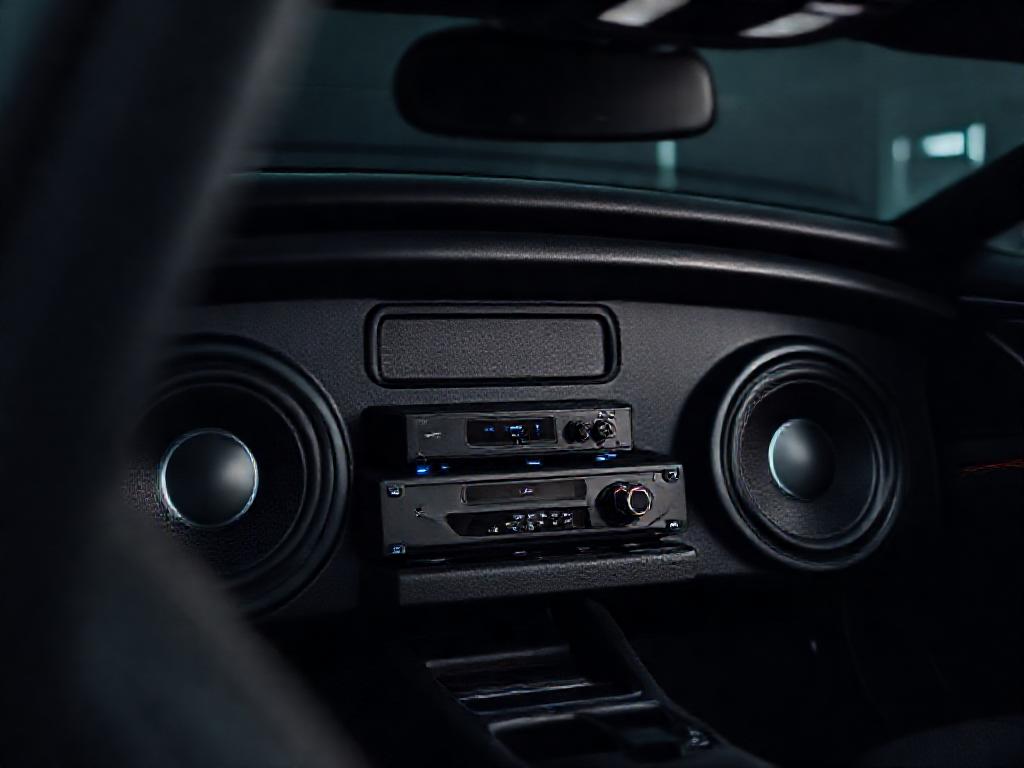
Digital signal processing (DSP) in cars is revolutionizing the way we experience audio on the road. Whether you're a music enthusiast or simply want clearer hands-free calls, digital signal processing car technology ensures optimal sound quality by correcting acoustic imperfections and tailoring audio to your vehicle's unique environment.
Understanding Digital Signal Processing in Car Audio
Digital signal processing (DSP) has revolutionized car audio systems, bringing studio-quality sound to your vehicle. At its core, digital signal processing car technology manipulates audio signals in real-time to optimize sound reproduction. Unlike traditional analog systems, DSP uses algorithms to analyze and adjust frequencies, timing, and dynamics for a superior listening experience.
Modern vehicles often suffer from acoustic challenges like road noise, cabin reflections, and uneven frequency response. DSP addresses these issues by applying precise corrections to the audio signal before it reaches your speakers. This technology bridges the gap between high-end home audio and your car's sound system, ensuring consistent performance regardless of driving conditions.
Key Benefits of DSP for Your Car Audio System
Digital signal processing car systems offer several advantages over conventional setups. Here are the most impactful benefits:
- Frequency Response Correction: DSP compensates for peaks and dips in your car's acoustic environment, delivering a flatter, more natural sound signature.
- Time Alignment: Adjusts the timing of audio signals to each speaker, creating a cohesive soundstage where all frequencies arrive at your ears simultaneously.
- Crossover Management: Precisely controls which frequencies are sent to each speaker, protecting tweeters and optimizing subwoofer performance.
- Dynamic Range Compression: Balances loud and soft passages, ensuring clear audio even at high volumes or in noisy environments.
- Equalization: Allows fine-tuning of tonal balance to match your musical preferences and compensate for your car's unique acoustics.
These features work together to eliminate common car audio problems like muddy bass, harsh highs, and an unnatural soundstage. The result is a more immersive and enjoyable listening experience, whether you're commuting or on a road trip.
How DSP Works in a Car Audio System
The Signal Chain Explained
In a digital signal processing car setup, the audio signal follows a specific path:
- Source Input: Music from your head unit, smartphone, or streaming service enters the DSP as a digital signal.
- Processing Stage: The DSP applies corrections like equalization, time alignment, and crossover settings in real-time.
- Amplification: The processed signal is sent to amplifiers, which boost the power before sending it to the speakers.
- Output: Your speakers reproduce the optimized audio, delivering a cleaner, more accurate sound.
This process happens instantaneously, ensuring that every note, beat, and vocal is reproduced with precision. Unlike analog systems, DSP can store multiple presets, allowing you to switch between different sound profiles with the touch of a button.
Advanced DSP Features
High-end digital signal processing car systems include advanced features that take your audio to the next level:
- Room Correction: Uses microphones to analyze your car's acoustics and automatically adjust settings for optimal sound.
- Bass Management: Redirects low frequencies to subwoofers while keeping midrange and high frequencies in the main speakers.
- Loudness Compensation: Adjusts the frequency response based on volume levels to maintain clarity at any listening level.
- Surround Sound Processing: Simulates a multi-channel experience using your car's existing speakers.
These features are particularly valuable in vehicles with challenging acoustics, such as SUVs or trucks with large cabins. By leveraging DSP, you can achieve a balanced soundstage even in less-than-ideal environments.
Practical Tips for Implementing DSP in Your Car
Adding digital signal processing car technology to your audio system doesn't have to be complicated. Follow these tips to get the most out of your DSP setup:
1. Start with a Quality Head Unit
Your head unit is the brain of your car audio system. Choose a model with built-in DSP or one that supports external DSP processors. Look for features like high-resolution audio playback, multiple preamp outputs, and compatibility with popular DSP brands.
2. Choose the Right DSP Processor
Not all DSP processors are created equal. Consider factors like:
- Number of Channels: Ensure the DSP has enough channels to support your speaker configuration (e.g., 6 channels for a 3-way front stage plus subwoofer).
- Processing Power: Higher-end models offer more precise adjustments and faster processing speeds.
- User Interface: Look for intuitive software or hardware controls that make tuning easy.
- Compatibility: Verify that the DSP works with your existing amplifiers and speakers.
3. Calibrate Your System Properly
Proper calibration is key to unlocking the full potential of your digital signal processing car system. Here’s how to do it:
- Use a Measurement Microphone: Place the mic at the listening position to analyze your car's acoustics.
- Adjust Time Alignment: Fine-tune the delay settings for each speaker to create a cohesive soundstage.
- Set Crossovers: Define frequency ranges for each speaker to prevent overlap and distortion.
- Apply Equalization: Use the DSP’s EQ to smooth out peaks and dips in the frequency response.
- Test and Refine: Listen to a variety of music genres and make adjustments as needed.
Many DSP processors come with auto-calibration tools that simplify this process. However, manual tuning often yields the best results, especially for audiophiles.
4. Upgrade Your Speakers and Amplifiers
While DSP can significantly improve your car audio, it works best with high-quality components. Consider upgrading your speakers and amplifiers to match the capabilities of your DSP processor. Look for:
- Component Speakers: Separate woofers and tweeters allow for better frequency distribution and imaging.
- High-Quality Amplifiers: Ensure your amps can deliver clean power to your speakers without distortion.
- Subwoofers: A dedicated subwoofer enhances bass response and relieves your main speakers of low-frequency duties.
Common Mistakes to Avoid with DSP
Even with the best digital signal processing car technology, mistakes can hinder your system's performance. Here are some pitfalls to avoid:
Over-EQing Your System
While equalization is a powerful tool, overusing it can lead to an unnatural sound. Avoid boosting or cutting frequencies excessively, as this can introduce distortion and fatigue. Instead, aim for subtle adjustments that enhance clarity and balance.
Ignoring Time Alignment
Time alignment is one of the most critical aspects of DSP, yet it’s often overlooked. Failing to adjust the timing of your speakers can result in a disjointed soundstage, where instruments and vocals seem to come from different directions. Take the time to fine-tune this setting for a cohesive listening experience.
Using Low-Quality Source Material
DSP can only do so much with poor-quality audio files. For the best results, use high-resolution music files (e.g., FLAC or WAV) or streaming services that offer lossless audio. Avoid heavily compressed formats like low-bitrate MP3s, as they lack the detail and dynamics that DSP is designed to enhance.
Neglecting Regular Maintenance
Your car's acoustics can change over time due to factors like wear and tear, temperature fluctuations, and modifications. Periodically re-calibrate your digital signal processing car system to ensure it continues to perform at its best. This is especially important if you’ve made changes to your vehicle’s interior or audio components.
Premium DSP Solutions for Audiophiles
For those seeking the ultimate in-car audio experience, premium DSP solutions offer unparalleled performance and flexibility. Brands like Alchimist offer high-end DSP processors designed to meet the demands of even the most discerning audiophiles. Based in Waiblingen, Germany, Alchimist has been a leader in car audio innovation since 1943, combining cutting-edge technology with German engineering precision.
When choosing a premium DSP processor, look for features like:
- High-Resolution Processing: Supports 24-bit/96kHz audio for superior sound quality.
- Advanced Room Correction: Uses sophisticated algorithms to analyze and correct your car's acoustics.
- Customizable Presets: Allows you to save and switch between multiple sound profiles for different music genres or listening preferences.
- Seamless Integration: Works with a wide range of amplifiers, speakers, and source units for a hassle-free installation.
Investing in a high-quality digital signal processing car system can transform your daily commute into a concert-like experience. Whether you're a casual listener or a dedicated audiophile, DSP technology offers a level of customization and performance that traditional car audio systems simply can't match.
Final Thoughts: Is DSP Right for You?
Digital signal processing has become a game-changer in the world of car audio, offering benefits that extend far beyond traditional setups. From correcting acoustic imperfections to delivering a more immersive soundstage, DSP technology ensures that your music sounds its best, no matter where you are.
If you're serious about upgrading your car audio system, investing in a digital signal processing car setup is a smart choice. Start with a quality DSP processor, calibrate your system properly, and pair it with high-quality speakers and amplifiers for the best results. Avoid common mistakes like over-EQing or neglecting time alignment, and you'll be well on your way to enjoying a premium audio experience on the road.
For those who demand the best, premium brands like Alchimist provide solutions that combine advanced technology with unparalleled craftsmanship. Whether you're building a new system from scratch or upgrading an existing one, DSP is the key to unlocking the full potential of your car audio.
Want to upgrade your car's audio system? Explore our DSP car audio solutions or read more about advanced car audio technologies to enhance your driving experience.