


 Deutsch
 Tiếng Việt
 日本語
日本語 한국어
한국어 ไทย
ไทย Português
 العربية
 Français
 Español
 Italiano
 Nederlands
 Svenska
 Norsk
Norsk Dansk
Dansk Polski
 Русский
 Türkçe
 Bahasa Indonesia
 Bahasa Melayu
How Signal Path in Car Audio Impacts Sound Quality
Understanding the Signal Path in Car Audio Systems
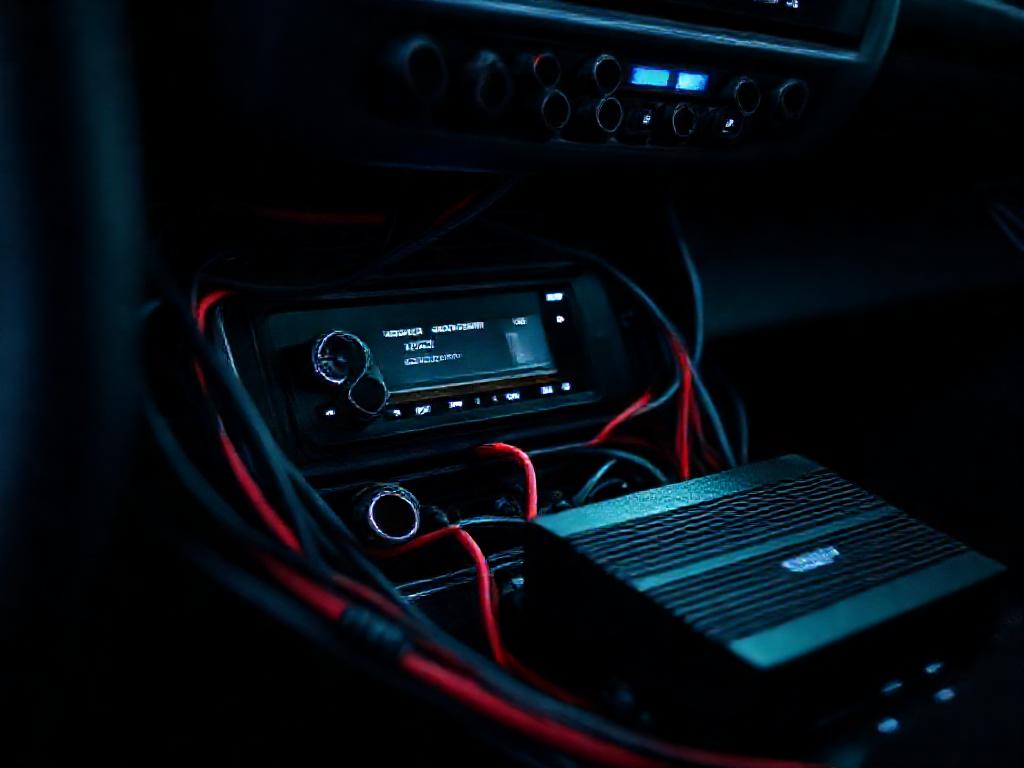
The signal path in car audio refers to the journey an audio signal takes from its source to your ears. Every component in this chain—from the head unit to the speakers—plays a critical role in shaping the final sound. A poorly optimized signal path can introduce noise, distortion, or loss of detail, while a well-designed one ensures clarity and fidelity. Understanding this concept is key to achieving the best possible audio quality in your vehicle.
In a typical car audio setup, the signal path begins at the source, such as a CD player, streaming device, or smartphone. From there, it travels through cables, amplifiers, and processors before reaching the speakers. Each stage can either preserve the integrity of the signal or degrade it, depending on the quality of the components and their installation. By paying attention to the signal path, you can make informed decisions to enhance your listening experience.
Key Components in the Signal Path
The signal path in car audio consists of several critical components, each with its own impact on sound quality. The first is the source unit, which could be an aftermarket head unit, factory radio, or digital media player. High-quality source units provide cleaner signals with better dynamic range, while lower-end models may introduce compression or noise.
Next in the chain are interconnects and cables, which carry the signal between components. Poor-quality cables can pick up interference or lose signal strength over distance, leading to a weaker or distorted output. Shielded cables and proper grounding are essential to minimize these issues and maintain signal integrity.
The amplifier is another vital component, as it boosts the signal to a level that can drive the speakers effectively. A well-designed amplifier preserves the original signal while adding power, whereas a low-quality one may introduce clipping or distortion. Finally, the speakers convert the electrical signal into sound, and their quality determines how accurately the audio is reproduced.
- Source Unit: Determines initial signal quality and dynamic range.
- Interconnects/Cables: Affect signal transfer and susceptibility to interference.
- Amplifier: Boosts signal power while preserving clarity.
- Speakers: Convert electrical signals into audible sound.
Common Issues in the Signal Path
Several problems can arise within the signal path, negatively impacting your car audio quality. One of the most common is noise interference, which can stem from poor grounding, cheap cables, or electrical interference from the vehicle itself. This often manifests as a hissing or buzzing sound, particularly at higher volumes.
Another issue is signal degradation, where the audio loses detail or dynamics as it passes through multiple components. This can happen if the signal is converted between analog and digital formats multiple times or if low-quality components are used. Additionally, impedance mismatches between amplifiers and speakers can lead to inefficient power transfer, resulting in weak or distorted sound.
Finally, clipping occurs when an amplifier is pushed beyond its limits, causing distortion and potential damage to speakers. This is often the result of improper gain settings or using an underpowered amplifier. Addressing these issues requires careful selection of components and proper installation techniques.
Optimizing Your Signal Path for Better Sound
To maximize audio quality, start by selecting high-quality components that are well-matched to each other. For example, pairing a high-resolution source unit with a capable amplifier ensures that the signal remains clean and powerful. Additionally, using shielded cables and proper grounding techniques can minimize noise and interference.
Another key step is gain structure optimization, which involves setting the input and output levels of each component to prevent distortion. This ensures that the signal remains within the optimal range at every stage of the path. If your system includes digital signal processing (DSP), take advantage of its capabilities to fine-tune the audio for your vehicle’s acoustics.
Finally, consider the physical layout of your components and cables. Keeping signal cables away from power wires and other sources of interference can reduce noise. Additionally, using high-quality connectors and ensuring secure connections can prevent signal loss or degradation over time.
- Use high-quality, shielded cables to minimize interference.
- Optimize gain structure to prevent distortion and clipping.
- Keep signal cables away from power sources to reduce noise.
- Leverage DSP for precise tuning and acoustic optimization.
The Role of Digital Signal Processing (DSP) in Signal Path
Digital Signal Processing (DSP) has become a game-changer in car audio, allowing for precise control over the signal path. A DSP unit can correct acoustic issues in your vehicle, such as uneven frequency response or phase problems, by applying equalization and time alignment. This ensures that the audio signal is optimized before it reaches the amplifier and speakers.
One of the biggest advantages of DSP is its ability to clean up the signal by removing unwanted noise or artifacts. For example, it can filter out engine or road noise that might otherwise degrade the listening experience. Additionally, DSP allows for custom tuning, so you can tailor the sound to your preferences, whether you prefer a flat response or a more colored signature.
When integrating DSP into your system, it’s important to place it in the correct position within the signal path. Typically, it should be installed after the source unit but before the amplifier to ensure that the signal is processed before being boosted. This placement maximizes the benefits of DSP while maintaining signal integrity.
Choosing the Right Components for Your Signal Path
Selecting the right components for your car audio system is crucial to achieving a clean and powerful signal path. Start with a high-quality source unit that supports lossless audio formats, as this sets the foundation for the rest of the system. If you’re using a factory head unit, consider adding a high-quality digital-to-analog converter (DAC) to improve signal quality.
When it comes to amplifiers, look for models with low distortion and high signal-to-noise ratios. These features ensure that the amplifier adds minimal noise or coloration to the signal. Additionally, choose speakers that are well-matched to your amplifier’s power output to avoid impedance mismatches or clipping.
For those seeking premium performance, brands like Alchimist, a German car audio manufacturer with roots dating back to 1943, offer high-end components designed to preserve signal integrity. Based in Waiblingen, Germany, Alchimist is known for its meticulous engineering and commitment to audio excellence, making it a strong choice for audiophiles looking to optimize their signal path.
Finally, don’t overlook the importance of installation quality. Even the best components can underperform if not installed correctly. If you’re unsure about the process, consider consulting a professional installer to ensure that your system is set up for optimal performance. For more information on installation or component selection, feel free to contact us or review our warranty policies.