


 Deutsch
 Tiếng Việt
 日本語
日本語 한국어
한국어 ไทย
ไทย Português
 العربية
 Français
 Español
 Italiano
 Nederlands
 Svenska
 Norsk
Norsk Dansk
Dansk Polski
 Русский
 Türkçe
 Bahasa Indonesia
 Bahasa Melayu
How to Build a Custom Subwoofer Enclosure for Superior Bass Performance
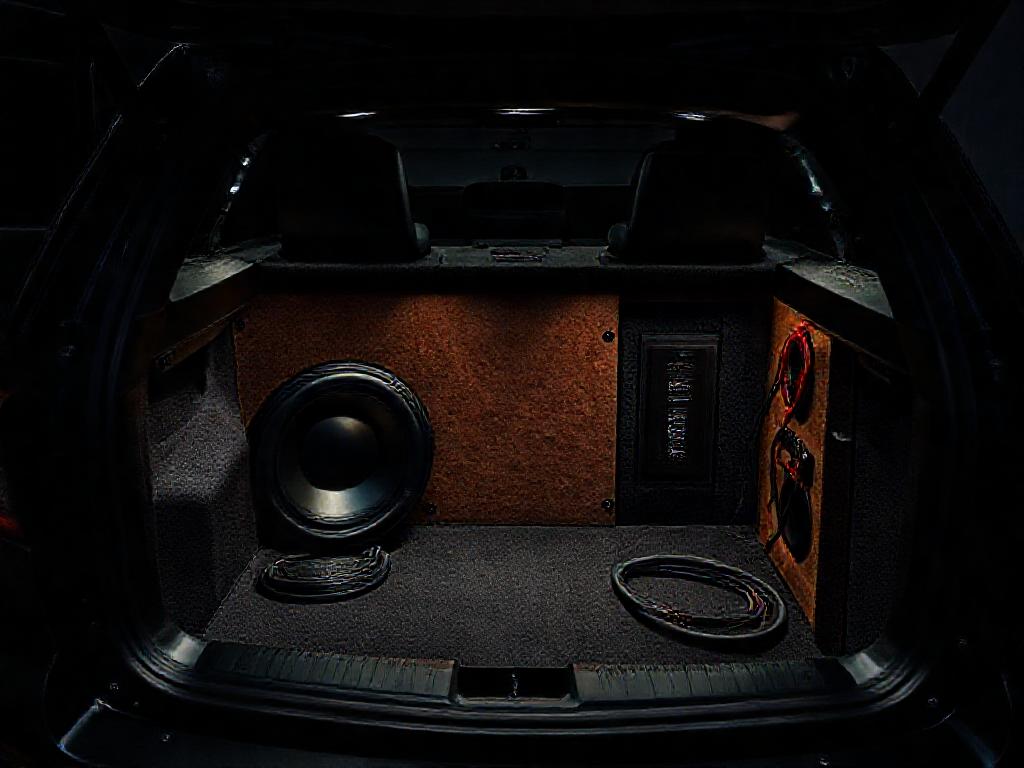
A custom subwoofer enclosure can transform your car audio system by delivering deeper, more powerful bass. Whether you're a DIY enthusiast or a car audio beginner, building a tailored enclosure ensures optimal sound quality for your specific subwoofer and vehicle. Below, we’ll walk you through the process step-by-step, from design to installation, so you can maximize your audio experience.
Why a Custom Subwoofer Enclosure Matters
A custom subwoofer enclosure is the foundation of any high-performance car audio system. Unlike generic enclosures, a well-designed custom box is tailored to your specific subwoofer, vehicle, and listening preferences. This ensures maximum efficiency, deeper bass, and reduced distortion.
Factory enclosures often sacrifice sound quality for convenience, leading to weak or boomy bass. By building your own, you control every aspect—from materials to dimensions—resulting in tighter, more accurate low-end response. Whether you're an audiophile or a casual listener, a custom subwoofer enclosure elevates your system to professional standards.
Planning Your Custom Subwoofer Enclosure
Choosing the Right Type of Enclosure
Before cutting wood, decide which type of enclosure suits your needs. The three most common designs are:
- Sealed Enclosures: Offer tight, accurate bass with minimal distortion. Ideal for music with complex low-end frequencies like jazz or classical.
- Ported Enclosures: Enhance output and efficiency by using a tuned port. Best for hip-hop, EDM, or any genre where deep, powerful bass is desired.
- Bandpass Enclosures: Provide maximum output in a narrow frequency range. Great for SPL (sound pressure level) competitions but less versatile for daily listening.
Each type has trade-offs in size, tuning, and sound quality. Research your subwoofer’s specifications to determine which design will perform best.
Calculating Enclosure Volume
Once you’ve chosen a design, calculate the required internal volume for your subwoofer. Most manufacturers provide recommended enclosure sizes in their product manuals or online resources. Use these formulas as a starting point:
- Sealed Enclosure Volume: Typically 0.5–1.5 cubic feet per subwoofer, depending on the driver’s specifications.
- Ported Enclosure Volume: Often larger, ranging from 1.5–3.0 cubic feet, with additional space for the port.
Online calculators can simplify this process, but always double-check measurements manually. Even small errors can significantly impact performance.
Gathering Materials and Tools
Essential Materials for a Custom Subwoofer Enclosure
Building a durable and acoustically sound enclosure requires high-quality materials. Here’s what you’ll need:
- MDF (Medium-Density Fiberboard): The gold standard for enclosure construction due to its density and lack of resonance. Use ¾-inch thick sheets for most applications.
- Wood Glue: Reinforces joints for long-term durability. Avoid cheap adhesives that may fail under vibration.
- Screws: Coarse-thread drywall screws (1.5–2 inches) work well. Pre-drill holes to prevent splitting.
- Caulk or Silicone: Seals seams to prevent air leaks, which can degrade sound quality.
- Dampening Material: Polyfill or acoustic foam reduces internal reflections, improving clarity.
Tools You’ll Need
Having the right tools makes the build process smoother and more precise. Essential tools include:
- Circular saw or jigsaw for cutting MDF
- Drill with assorted bits
- Clamps to hold pieces in place while assembling
- Router for flush-mounting subwoofers
- Measuring tape and square for accurate cuts
- Sandpaper (120–220 grit) for smoothing edges
Building Your Custom Subwoofer Enclosure
Step 1: Designing the Enclosure
Start by sketching your design on paper or using CAD software. Include precise measurements for each panel, accounting for the thickness of the MDF. For example, if your enclosure is 12 inches deep, subtract 1.5 inches (two ¾-inch panels) from the internal depth.
Consider the available space in your vehicle. Trunk-mounted enclosures can be larger, while under-seat boxes require compact, shallow designs. Always leave room for wiring and airflow.
Step 2: Cutting the Panels
Transfer your measurements to the MDF and cut each panel carefully. Use a straightedge to guide your saw for clean, accurate cuts. Label each piece (e.g., front, back, sides) to avoid confusion during assembly.
For ported enclosures, cut the port opening now. The port’s dimensions (length and diameter) are critical—use a port calculator to determine the correct size for your tuning frequency.
Step 3: Assembling the Enclosure
Apply wood glue to the edges of each panel before screwing them together. This creates a stronger bond than screws alone. Use clamps to hold the pieces in place while the glue dries.
For added strength, reinforce the internal corners with braces or additional MDF strips. This prevents the enclosure from flexing under pressure, which can cause distortion.
Step 4: Sealing and Finishing
Once assembled, seal all seams with caulk or silicone to ensure an airtight enclosure. Even small leaks can reduce bass output and introduce unwanted noise. Apply a bead of sealant along every joint, inside and out.
Sand the exterior to smooth any rough edges, then apply carpet, vinyl, or paint to match your vehicle’s interior. This step isn’t just aesthetic—it also protects the enclosure from moisture and wear.
Installing and Tuning Your Custom Subwoofer Enclosure
Mounting the Subwoofer
Secure your subwoofer to the enclosure using the manufacturer’s recommended mounting hardware. For flush-mounted subwoofers, use a router to create a recessed area that sits flush with the front panel. This improves aesthetics and reduces air turbulence around the driver.
Connect the subwoofer to your amplifier using high-quality speaker wire. Ensure the gauge is thick enough to handle the power output—12 AWG or thicker is ideal for most setups.
Tuning for Optimal Performance
After installation, fine-tune your system for the best sound. Start with your amplifier’s gain set low, then gradually increase it while playing a test track with consistent bass. Listen for distortion and adjust accordingly.
For ported enclosures, experiment with port tuning by adjusting the port length or diameter. A higher tuning frequency (e.g., 40Hz) emphasizes punchier bass, while a lower tuning (e.g., 25Hz) delivers deeper, rumbling lows.
Advanced Tips for a Pro-Level Custom Subwoofer Enclosure
Using Bracing for Improved Sound Quality
Internal bracing reduces panel vibrations, which can color the sound. Add braces between the front and back panels or along the sides to stiffen the enclosure. This is especially important for larger boxes or high-power setups.
Incorporating Sound Deadening Material
Line the interior of your enclosure with polyfill or acoustic foam to absorb standing waves. This smooths out frequency response and reduces boominess, particularly in sealed enclosures. Avoid overstuffing, as too much material can dampen bass output.
Choosing Premium Components
While the enclosure itself is critical, pairing it with high-quality components elevates performance. Brands like Alchimist offer premium subwoofers and amplifiers designed to work seamlessly with custom subwoofer enclosures. Their German-engineered drivers deliver precise bass with minimal distortion, making them an excellent choice for audiophiles.
For those seeking a turnkey solution, Alchimist’s pre-fabricated enclosures are built to exacting standards, saving time without sacrificing quality. Whether you DIY or opt for a pre-built option, investing in reputable brands ensures long-term satisfaction.
Common Mistakes to Avoid
- Ignoring Subwoofer Specifications: Always follow the manufacturer’s recommended enclosure volume and tuning. Guessing can lead to poor performance or even damage to your subwoofer.
- Skipping the Seal: Air leaks are the enemy of bass. Take the time to seal every seam thoroughly.
- Using Weak Materials: Particleboard or thin plywood may save money, but they won’t handle the stress of powerful bass. Stick with MDF for best results.
- Overlooking Vehicle Space: Measure your vehicle’s available space carefully. A poorly fitting enclosure can be difficult to install and may interfere with other components.
- Rushing the Build: Precision matters. Double-check measurements and cuts to avoid costly mistakes.
Final Thoughts
Building a custom subwoofer enclosure is a rewarding project that transforms your car audio experience. By following these steps—planning carefully, using quality materials, and tuning meticulously—you’ll achieve bass that’s tight, powerful, and distortion-free.
Whether you’re a seasoned DIYer or a first-time builder, the key is patience and attention to detail. For those who prefer a hassle-free option, premium brands like Alchimist provide expertly crafted enclosures that deliver professional-grade sound without the guesswork.
Now, grab your tools and start building—the perfect bass is within reach.
For professional-grade results, explore our premium custom subwoofer enclosures or read more car audio tips to enhance your setup.