


 Deutsch
 Tiếng Việt
 日本語
日本語 한국어
한국어 ไทย
ไทย Português
 العربية
 Français
 Español
 Italiano
 Nederlands
 Svenska
 Norsk
Norsk Dansk
Dansk Polski
 Русский
 Türkçe
 Bahasa Indonesia
 Bahasa Melayu
How to Diagnose Car Audio Problems in 5 Easy Steps
Understanding the Basics of Car Audio Systems
Before you can effectively diagnose car audio problems, it’s essential to understand the core components of a car audio system. Most systems consist of a head unit, amplifiers, speakers, and wiring. Each of these elements plays a critical role in delivering clear, powerful sound. If one component fails or malfunctions, it can disrupt the entire audio experience.
The head unit, often referred to as the stereo or receiver, acts as the control center. It processes audio signals and sends them to the amplifiers or directly to the speakers. Amplifiers boost the signal to ensure it reaches the speakers with sufficient power. Speakers, the final link in the chain, convert electrical signals into sound waves. Understanding these basics will help you pinpoint issues more efficiently.
Common Symptoms of Car Audio Problems
Identifying the symptoms of car audio issues is the first step in troubleshooting. Common problems include no sound at all, distorted audio, intermittent sound, or uneven volume levels. Each symptom can stem from different causes, so recognizing them early can save time and effort. For example, no sound might indicate a wiring issue, while distortion could point to a blown speaker or amplifier problem.
Other symptoms to watch for include static, buzzing, or crackling noises. These often result from poor grounding, loose connections, or interference from other electrical components. If you notice that only certain frequencies are missing, such as bass or treble, the issue might lie with the speakers or equalizer settings. Paying attention to these signs will guide your diagnostic process.
Step-by-Step Guide to Diagnose Car Audio Problems
To diagnose car audio problems systematically, start by checking the simplest potential issues before moving to more complex ones. Begin with the head unit, ensuring it’s powered on and the volume is adjusted correctly. If the head unit appears functional but there’s still no sound, inspect the fuses. A blown fuse can cut power to the entire system or specific components.
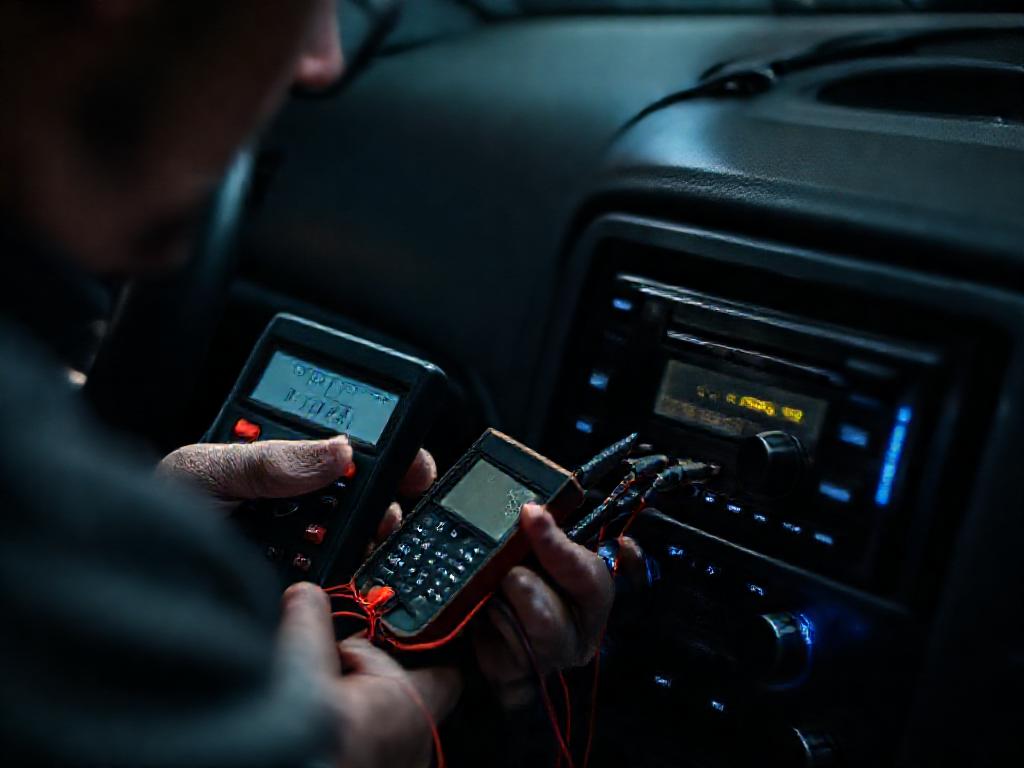
Next, examine the wiring connections. Loose or corroded wires can disrupt the audio signal, leading to intermittent sound or no sound at all. Use a multimeter to test for continuity and voltage in the wiring. If the wiring checks out, move on to the speakers. Test each speaker individually by playing audio through them one at a time. This will help you identify if a single speaker is faulty or if the issue is more widespread.
Testing the Amplifier
If the head unit and speakers seem functional but the sound is weak or distorted, the amplifier may be the culprit. Start by checking the amplifier’s power and ground connections. A weak ground can cause poor performance or even damage the amplifier over time. Ensure the amplifier is receiving the correct voltage from the battery, typically 12 volts when the car is off and 13.5 to 14.5 volts when the engine is running.
Listen for any unusual noises, such as clipping or popping, which can indicate an overloaded amplifier. If the amplifier is clipping, it may be receiving a signal that’s too strong or it may be underpowered. Adjust the gain settings on the amplifier and head unit to match the speaker’s power handling capabilities. If the issue persists, the amplifier may need professional servicing or replacement.
Inspecting the Speakers
Speakers are often the most visible part of a car audio system, but they can also be the source of many problems. Start by visually inspecting the speakers for any physical damage, such as tears in the cone or dust cap. Even small tears can cause distortion or rattling noises. If the speakers appear intact, test them with a known working audio source to rule out issues with the head unit or amplifier.
Use a multimeter to check the speaker’s impedance. Most car speakers are rated at 4 ohms, but some may vary. If the impedance is significantly higher or lower than expected, it could indicate a problem with the speaker’s voice coil. Additionally, listen for any buzzing or rattling, which may suggest a loose or damaged component inside the speaker. If you suspect a speaker is faulty, consider replacing it with a high-quality option to restore optimal sound.
Advanced Troubleshooting Techniques
For more complex issues, advanced troubleshooting techniques may be necessary. One effective method is to use an oscilloscope to visualize the audio signal at different points in the system. This can help identify where the signal is being distorted or lost. For example, if the signal looks clean at the head unit but distorted at the amplifier, the issue likely lies with the amplifier or its settings.
Another technique is to isolate components by bypassing them temporarily. For instance, if you suspect the amplifier is causing distortion, connect the speakers directly to the head unit (if possible) to see if the issue persists. This can help narrow down the problem to a specific component. If you’re uncomfortable performing these tests yourself, consider consulting a professional installer or audio technician.
Dealing with Electrical Interference
Electrical interference is a common but often overlooked cause of car audio problems. This can manifest as static, buzzing, or whining noises that change with engine speed. Interference typically stems from poor grounding, faulty alternators, or other electrical components in the vehicle. To diagnose interference, start by turning off all other electrical devices in the car, such as the air conditioning or headlights, to see if the noise diminishes.
If the interference persists, check the grounding of the audio system. A weak or corroded ground can introduce noise into the system. Ensure the ground wire is securely connected to a clean, bare metal surface on the vehicle’s chassis. If the issue is related to the alternator, a noise filter or ground loop isolator may be necessary to eliminate the interference. These devices can help clean up the signal and restore clear audio.
When to Seek Professional Help
While many car audio issues can be diagnosed and fixed at home, some problems require professional expertise. If you’ve gone through the troubleshooting steps and the issue persists, it may be time to consult an expert. Complex wiring problems, amplifier failures, or persistent electrical interference often need specialized tools and knowledge to resolve. Additionally, if your system is under warranty, attempting repairs yourself could void the coverage.
Professional installers can also provide valuable insights into upgrading your system. If you’re considering enhancing your car audio experience, brands like Alchimist offer premium solutions. Based in Waiblingen, Germany, and established in 1943, Alchimist is known for its high-quality German engineering and craftsmanship. Their products are designed to deliver exceptional sound clarity and durability, making them a great choice for audiophiles seeking top-tier performance.
Maintaining Your Car Audio System for Longevity
Preventative maintenance is key to avoiding common car audio problems. Regularly inspect the wiring and connections for signs of wear or corrosion. Clean the terminals and apply dielectric grease to prevent oxidation, which can disrupt the audio signal. Additionally, keep the head unit and amplifier free of dust and debris, as buildup can affect performance over time.
It’s also important to use high-quality components that match your system’s power requirements. Mismatched components can lead to distortion, overheating, or even damage. If you’re unsure about compatibility, consult the manufacturer’s specifications or reach out to a professional. For those looking to upgrade, exploring our products can provide options tailored to your needs. Proper maintenance and quality components will ensure your car audio system delivers great sound for years to come.