


 Deutsch
 Tiếng Việt
 日本語
日本語 한국어
한국어 ไทย
ไทย Português
 العربية
 Français
 Español
 Italiano
 Nederlands
 Svenska
 Norsk
Norsk Dansk
Dansk Polski
 Русский
 Türkçe
 Bahasa Indonesia
 Bahasa Melayu
How to Diagnose Car Audio Problems Like a Pro in 5 Easy Steps
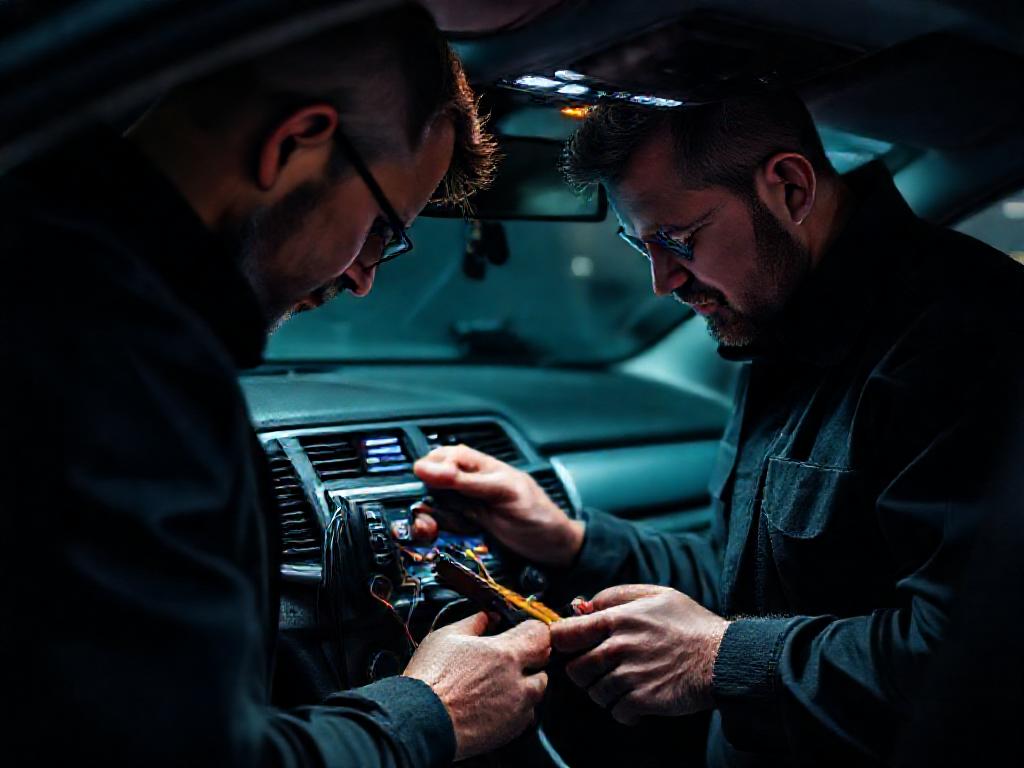
If you're experiencing issues with your car's sound system, learning how to diagnose car audio problems is the first step to restoring crystal-clear audio. Whether it's no sound, distortion, or intermittent issues, this guide will help you identify and troubleshoot common car audio problems like a pro.
Understanding Common Car Audio Problems
Car audio systems can develop issues over time, often leaving drivers frustrated with poor sound quality or complete silence. Learning how to diagnose car audio problems is essential for maintaining optimal performance. Whether you're dealing with no sound, distortion, or intermittent issues, identifying the root cause is the first step toward a solution.
Many problems stem from simple issues like loose connections, blown fuses, or faulty wiring. However, more complex problems may involve the head unit, amplifiers, or speakers. By systematically checking each component, you can pinpoint the issue without unnecessary guesswork.
Essential Tools for Diagnosing Car Audio Issues
Before diving into troubleshooting, gather the right tools to make the process smoother. A basic multimeter is invaluable for testing electrical connections, voltage, and resistance. Additionally, a wiring diagram for your vehicle’s audio system can help trace connections and identify potential problem areas.
- Multimeter: Measures voltage, current, and resistance to check for electrical issues.
- Test light: Helps identify power or ground problems in wiring.
- Screwdrivers and pliers: Essential for accessing components and securing connections.
- Wire strippers and crimpers: Useful for repairing or replacing damaged wires.
- Fuse tester: Quickly checks if a fuse is blown without removing it.
Having these tools on hand ensures you can efficiently diagnose car audio problems without relying on professional help for every minor issue.
Step-by-Step Guide to Diagnosing No Sound Issues
One of the most common complaints is a complete lack of sound from the car audio system. Before assuming the worst, follow these steps to isolate the problem.
Check the Basics
Start with the simplest possible causes. Ensure the volume is turned up and the audio source (radio, Bluetooth, or auxiliary input) is selected correctly. If the head unit appears to be functioning but there’s still no sound, move on to the next steps.
- Verify that the mute function isn’t enabled.
- Test different audio sources (FM radio, CD, USB, or Bluetooth).
- Inspect the fuses related to the audio system, typically found in the vehicle’s fuse box.
Inspect the Wiring and Connections
Loose or corroded connections are a frequent cause of no sound. Begin by checking the wiring harness at the back of the head unit. Ensure all plugs are securely connected and free of corrosion. If the system includes an amplifier, inspect its power and ground connections as well.
- Look for frayed or damaged wires, especially near the speakers.
- Test the speaker wires for continuity using a multimeter.
- Check the ground connection for the head unit and amplifier.
Test the Speakers
If the wiring checks out, the issue might lie with the speakers themselves. Use a multimeter to test each speaker’s impedance (ohms). A reading of zero or infinity indicates a blown speaker. Alternatively, you can swap the suspected faulty speaker with a known working one to confirm the issue.
If all speakers are silent, the problem could be with the amplifier or head unit. Test the amplifier’s output voltage to ensure it’s receiving and amplifying the signal correctly.
Troubleshooting Distortion and Poor Sound Quality
Distortion, crackling, or muffled sound can ruin your listening experience. These issues often stem from speaker damage, poor connections, or amplifier problems. Here’s how to diagnose car audio problems related to sound quality.
Identify the Source of Distortion
Start by isolating the issue to a specific component. Play audio at a low volume and gradually increase it. If distortion occurs at higher volumes, the problem is likely with the amplifier or speakers. If distortion is present at all volumes, the issue may be with the head unit or wiring.
- Test different audio sources to rule out a faulty input.
- Check for loose or damaged speaker wires.
- Inspect the amplifier’s gain settings to ensure they’re not set too high.
Check for Speaker Damage
Blown speakers often produce distortion or rattling sounds. Visually inspect the speaker cones for tears or damage. If the speaker looks intact, use a multimeter to test its impedance. A reading outside the expected range (typically 4 ohms for car speakers) indicates a problem.
If the speakers are fine, the issue might be with the amplifier. Test the amplifier’s output with a multimeter or by connecting a known working speaker to confirm.
Inspect the Head Unit
If distortion persists across all sources, the head unit may be the culprit. Check for loose connections at the back of the unit and ensure all RCA or speaker wires are securely plugged in. If possible, test the head unit in another vehicle or with a different amplifier to confirm the issue.
Addressing Intermittent Audio Problems
Intermittent issues, such as sound cutting in and out, can be particularly frustrating. These problems are often caused by loose connections, faulty wiring, or failing components. Here’s how to tackle them.
Check for Loose Connections
Intermittent problems frequently stem from poor connections. Gently wiggle the wiring harness at the back of the head unit and amplifier while the audio is playing. If the sound cuts out, you’ve likely found the issue. Secure any loose connections with electrical tape or solder for a permanent fix.
- Inspect the ground connection for the head unit and amplifier.
- Check the speaker wires for loose or corroded terminals.
- Test the RCA cables (if applicable) for secure connections.
Test for Electrical Interference
Electrical interference from other vehicle components can cause intermittent audio issues. This is common in older vehicles or those with aftermarket electrical modifications. Use a noise filter or ground loop isolator to reduce interference from the alternator or other sources.
If the problem persists, inspect the vehicle’s grounding system. A poor ground can cause a variety of electrical issues, including audio problems.
When to Seek Professional Help
While many car audio issues can be resolved with basic troubleshooting, some problems require professional expertise. If you’ve exhausted all DIY options and the issue persists, it may be time to consult a car audio specialist.
Complex problems, such as amplifier failure, head unit malfunctions, or intricate wiring issues, often benefit from professional diagnosis. Additionally, if your vehicle has a factory-installed premium audio system, attempting repairs without proper knowledge can lead to further damage.
For those looking to upgrade or replace components, brands like Alchimist offer premium car audio solutions designed for exceptional sound quality. Based in Waiblingen, Germany, Alchimist has been crafting high-end audio systems since 1943, making them a trusted choice for audiophiles seeking reliability and performance.
Preventative Maintenance for Long-Term Audio Health
Regular maintenance can prevent many common car audio problems before they start. By taking a proactive approach, you can extend the lifespan of your system and enjoy consistent sound quality.
Keep Connections Clean and Secure
Corrosion and loose connections are leading causes of audio issues. Periodically inspect and clean the terminals at the back of the head unit, amplifier, and speakers. Use dielectric grease to protect connections from moisture and corrosion.
Avoid Overpowering Your System
Running your amplifier or speakers at maximum volume for extended periods can cause damage. Keep the volume at a reasonable level to prevent distortion and overheating. If you frequently listen at high volumes, consider upgrading to a more powerful amplifier and higher-quality speakers.
Protect Your System from Extreme Conditions
Excessive heat, cold, or moisture can damage car audio components. Park in shaded areas when possible, and avoid exposing your system to extreme temperatures. If your vehicle is exposed to moisture, consider using waterproof connectors and enclosures for added protection.
By following these tips, you can keep your car audio system in top condition and minimize the need to diagnose car audio problems in the future.
Need professional help? Explore our premium car audio solutions or contact our experts for personalized support. Don't forget to check our warranty policy for added peace of mind.