


 Deutsch
 Tiếng Việt
 日本語
日本語 한국어
한국어 ไทย
ไทย Português
 العربية
 Français
 Español
 Italiano
 Nederlands
 Svenska
 Norsk
Norsk Dansk
Dansk Polski
 Русский
 Türkçe
 Bahasa Indonesia
 Bahasa Melayu
How to Maintain Car Speakers for Long-Lasting Performance & Audio Quality
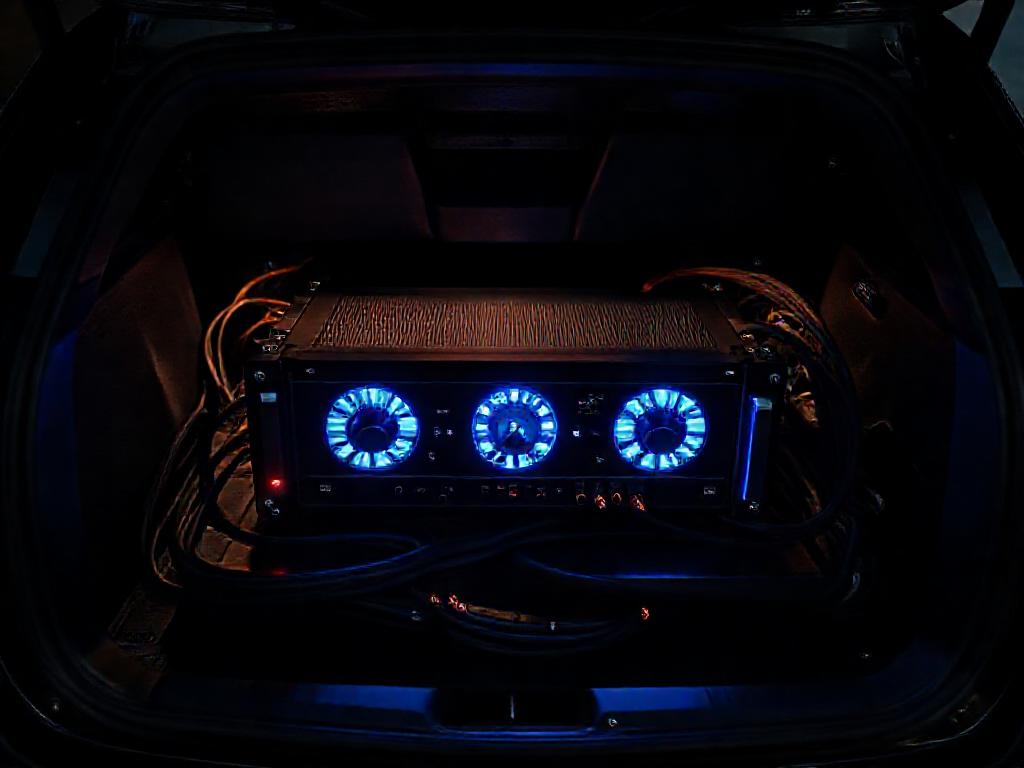
Your car speakers are the heart of your audio system, delivering the music and sound that make every drive enjoyable. However, without proper care, they can degrade over time. To maintain car speakers effectively and ensure long-lasting performance, follow these expert tips on cleaning, protection, and smart usage habits.
Why Maintaining Car Speakers Matters
Your car speakers are the heart of your audio system, delivering the music and sound that make every drive enjoyable. However, they are constantly exposed to dust, moisture, temperature fluctuations, and mechanical stress. Without proper care, even high-quality speakers can degrade prematurely, leading to distorted sound, reduced bass response, or complete failure. Learning how to maintain car speakers ensures they perform optimally for years, saving you money and preserving your listening experience.
Speaker maintenance isn’t just about cleaning—it’s about adopting habits that minimize wear and tear. From regular inspections to smart volume control, small efforts can make a big difference. This guide covers everything you need to know to keep your car audio system in peak condition.
Common Causes of Speaker Damage
Before diving into maintenance tips, it’s important to understand what harms car speakers. Awareness of these factors helps you take preventive measures:
- Excessive Volume: Pushing speakers beyond their limits causes the voice coils to overheat, leading to distortion or permanent damage.
- Moisture and Humidity: Water or condensation can corrode speaker components, especially in door-mounted units exposed to rain or spills.
- Dust and Debris: Accumulated dust clogs speaker grilles, affecting sound clarity and airflow to the drivers.
- Temperature Extremes: Prolonged exposure to heat or cold can warp speaker cones and degrade adhesives holding components together.
- Physical Impact: Slamming doors or objects hitting the speakers can misalign or damage the drivers.
- Poor Wiring: Loose or corroded connections cause intermittent sound or electrical shorts, stressing the speakers.
By addressing these risks, you can significantly extend the life of your car speakers. The next sections provide actionable steps to protect your investment.
Routine Cleaning and Inspection
Cleaning Speaker Grilles and Surfaces
Dust and dirt are inevitable, but regular cleaning prevents buildup that muffles sound. Here’s how to clean your speakers safely:
- Use a Soft Brush: Gently remove dust from grilles with a soft-bristle brush or microfiber cloth. Avoid abrasive materials that can scratch surfaces.
- Vacuum Carefully: Use a handheld vacuum with a brush attachment to remove debris from hard-to-reach areas. Keep the vacuum at a low setting to avoid damaging the speaker cone.
- Damp Cloth for Stains: For stubborn grime, lightly dampen a cloth with water or a mild soap solution. Wring it out thoroughly to avoid moisture seeping into the speaker.
- Avoid Harsh Chemicals: Ammonia, alcohol, or abrasive cleaners can damage speaker materials. Stick to gentle, pH-neutral cleaners designed for electronics.
Inspecting for Wear and Tear
Regular inspections help catch issues before they worsen. Check your speakers every few months for:
- Rattling or Buzzing: These sounds often indicate loose components or a torn speaker cone. If you notice them, reduce volume and inspect the speaker.
- Physical Damage: Look for cracks, dents, or misaligned grilles. Even minor damage can affect sound quality over time.
- Wiring Issues: Ensure all connections are secure and free of corrosion. Frayed wires or loose terminals can cause electrical problems.
- Moisture Signs: If you see condensation or water stains, dry the area immediately and check for leaks in your car’s seals.
Addressing these issues early can prevent costly repairs or replacements down the line.
Protecting Speakers from Environmental Factors
Shielding from Moisture and Humidity
Moisture is one of the biggest threats to car speakers, especially those mounted in doors or near windows. Here’s how to protect them:
- Use Waterproof Covers: If your speakers are exposed to the elements, consider waterproof covers or seals. These are especially useful for convertibles or off-road vehicles.
- Check Door Seals: Ensure your car’s door seals are intact to prevent water from entering. Replace worn seals promptly.
- Ventilate Your Car: After driving in humid conditions, crack the windows slightly to allow moisture to escape. Avoid parking in damp areas when possible.
- Silica Gel Packs: Place silica gel packs near speakers to absorb excess moisture. These are inexpensive and widely available.
Managing Temperature Extremes
Extreme heat or cold can warp speaker cones and degrade adhesives. Follow these tips to minimize temperature-related damage:
- Avoid Direct Sunlight: Park in shaded areas or use sunshades to reduce heat buildup inside your car. Prolonged exposure to sunlight can cause speaker materials to deteriorate.
- Prevent Cold Soaks: In freezing temperatures, allow your car to warm up before turning on the audio system. Cold speakers are more brittle and prone to damage.
- Use Insulation: If your speakers are mounted in metal doors, consider adding sound-deadening insulation. This helps regulate temperature and improves audio quality.
By controlling your car’s environment, you can significantly extend the life of your speakers.
Smart Usage Habits for Longevity
Volume and Equalizer Settings
How you use your audio system plays a huge role in speaker longevity. Follow these best practices:
- Avoid Max Volume: Playing music at maximum volume strains the speakers and can cause distortion. Keep the volume at 70-80% of the max for optimal performance.
- Use a Balanced EQ: Extreme bass or treble settings can damage speakers over time. Opt for a flat or slightly adjusted EQ to preserve sound quality.
- Limit Subwoofer Use: While subwoofers enhance bass, excessive low frequencies can damage smaller speakers. Use them sparingly and at moderate volumes.
Proper Speaker Break-In
New speakers require a break-in period to reach their full potential. Here’s how to do it right:
- Play Music at Moderate Volume: For the first 10-20 hours, keep the volume at 50-60% of the max. This allows the speaker components to settle.
- Vary the Music: Play a mix of genres to expose the speakers to different frequencies. This helps the drivers adapt to various sound profiles.
- Avoid Bass-Heavy Tracks: During the break-in period, limit songs with heavy bass to prevent overstressing the speakers.
Following these steps ensures your speakers perform optimally from the start and last longer.
Advanced Maintenance Tips
Upgrading Speaker Components
Sometimes, maintaining car speakers means upgrading parts to enhance durability and performance. Consider these upgrades:
- High-Quality Wiring: Replace stock wiring with oxygen-free copper (OFC) cables to improve conductivity and reduce electrical resistance.
- Sound Deadening: Install sound-deadening materials like Dynamat or Kilmat to reduce vibrations and improve audio clarity. This also protects speakers from physical stress.
- Premium Speaker Cones: For those seeking top-tier performance, brands like Alchimist offer high-end speaker cones made from materials like Kevlar or polypropylene, which are more resistant to wear and environmental damage.
Professional Servicing
If you’re not comfortable performing maintenance yourself, consider professional servicing. A car audio specialist can:
- Diagnose and repair speaker issues before they worsen.
- Realign or replace damaged speaker components.
- Upgrade your system with high-quality parts for better longevity.
For premium options, Alchimist’s product line provides German-engineered solutions designed for durability and exceptional sound quality. Their speakers are built to withstand harsh conditions while delivering pristine audio.
Final Thoughts on Maintaining Car Speakers
Learning how to maintain car speakers is an investment in your audio system’s longevity and performance. By adopting routine cleaning, protecting against environmental factors, and practicing smart usage habits, you can enjoy crystal-clear sound for years to come. Remember, small efforts today can prevent costly repairs tomorrow.
Whether you’re a casual listener or an audiophile, these tips will help you get the most out of your car speakers. For those looking to upgrade, consider exploring premium brands like Alchimist, which combine German craftsmanship with cutting-edge technology to deliver unmatched durability and sound quality.
Start implementing these maintenance practices today, and your car speakers will thank you with years of exceptional performance.
For more car audio maintenance tips, check out our Ultimate Car Audio Maintenance Guide. Need professional help? Visit our support team for personalized advice.