


 Deutsch
 Tiếng Việt
 日本語
日本語 한국어
한국어 ไทย
ไทย Português
 العربية
 Français
 Español
 Italiano
 Nederlands
 Svenska
 Norsk
Norsk Dansk
Dansk Polski
 Русский
 Türkçe
 Bahasa Indonesia
 Bahasa Melayu
How to Reduce Road Noise for a Superior Car Audio Experience
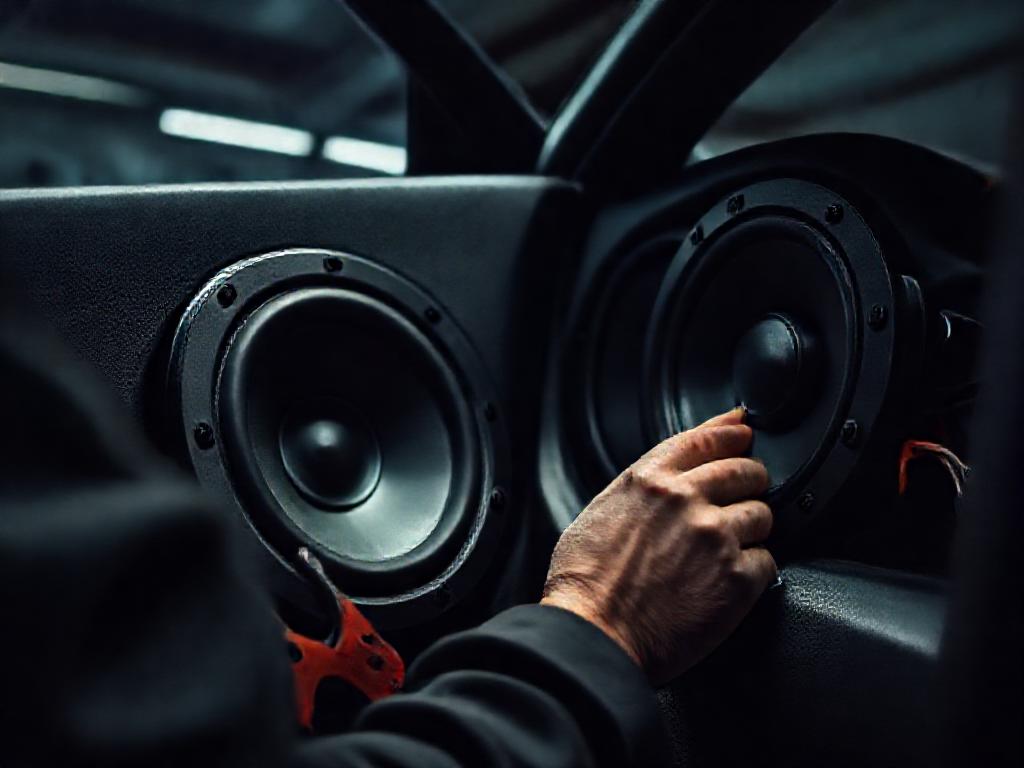
If you love high-quality car audio, road noise can be a major frustration. Whether it’s the hum of tires, wind, or engine vibrations, unwanted noise can drown out your music and podcasts. Fortunately, there are effective ways to reduce road noise in your car audio system for a cleaner, more immersive listening experience. Below, we’ll cover practical solutions—from simple DIY fixes to professional upgrades—to help you enjoy crystal-clear sound on every drive.
Understanding Road Noise and Its Impact on Car Audio
Road noise is an often-overlooked factor that can significantly degrade your car audio experience. Whether you're cruising on the highway or navigating city streets, unwanted noise from tires, wind, and the road surface can mask the finer details of your music. This interference forces your audio system to work harder, leading to distortion and listener fatigue. Understanding the sources of road noise is the first step toward creating a quieter, more enjoyable listening environment.
Road noise primarily originates from three sources: tire contact with the road, wind resistance, and mechanical vibrations from the vehicle. Tire noise, often the most intrusive, varies depending on road surface, tire type, and vehicle speed. Wind noise becomes more noticeable at higher speeds, while mechanical vibrations can transmit through the chassis and into the cabin. Each of these factors contributes to the overall noise level, making it essential to address them systematically.
Assessing Your Vehicle's Current Noise Levels
Before implementing solutions to reduce road noise car audio quality, it's crucial to assess your vehicle's current noise levels. Start by conducting a simple listening test while driving at different speeds on various road surfaces. Pay attention to when and where the noise is most pronounced. Is it worse on rough pavement or at highway speeds? Does it change when accelerating or braking?
For a more objective assessment, consider using a sound level meter app on your smartphone. These apps can provide decibel readings at different speeds and conditions, giving you a baseline to measure improvements. Record your findings to track progress as you implement noise-reduction strategies. Remember that some noise is inevitable, but the goal is to minimize it to a level where your audio system can shine.
Practical Solutions to Reduce Road Noise
Sound Deadening Materials
One of the most effective ways to reduce road noise car audio systems face is by applying sound deadening materials. These products work by absorbing vibrations and blocking external noise from entering the cabin. The most common types include:
- Dynamat or similar butyl-based sheets: Applied to doors, floor, and trunk areas to dampen vibrations.
- Closed-cell foam: Used in door panels and headliners to absorb airborne noise.
- Mass-loaded vinyl (MLV): A dense material that blocks noise transmission when installed under carpets or behind panels.
When installing sound deadening materials, focus on areas where noise is most intrusive, such as the floor, doors, and wheel wells. Proper installation is key—ensure surfaces are clean and materials are applied tightly without gaps. While this process can be time-consuming, the results are often dramatic, with noticeable reductions in road noise.
Upgrading Your Vehicle's Insulation
Factory insulation in most vehicles is designed for cost-effectiveness rather than acoustic performance. Upgrading your vehicle's insulation can significantly reduce road noise car audio enthusiasts struggle with. Start by inspecting the existing insulation in your doors, floor, and trunk. If it's thin or missing in areas, consider adding or replacing it with higher-quality materials.
For doors, use a combination of sound deadening mats and acoustic foam to create a barrier against road noise. In the cabin, thicker carpets or underlayment can help absorb vibrations and reduce noise transmission. Don't overlook the trunk area, as noise from the rear can easily travel into the cabin. A well-insulated trunk can make a surprising difference in overall noise levels.
Tire and Suspension Considerations
Your choice of tires and suspension components can have a significant impact on road noise. Tires with aggressive tread patterns or hard rubber compounds tend to generate more noise, especially on rough surfaces. Consider switching to tires designed for comfort and quiet operation, such as those with softer rubber or specialized tread designs.
Suspension components also play a role in noise transmission. Worn or stiff suspension parts can transmit more vibrations into the cabin. Upgrading to high-quality shocks or struts, along with polyurethane bushings, can help dampen these vibrations. However, be mindful that stiffer suspension setups may improve handling but can also increase noise levels—strike a balance between performance and comfort.
Optimizing Your Car Audio System for Noise Reduction
Choosing the Right Speakers and Components
While reducing road noise is essential, optimizing your car audio system can also help mitigate its effects. Start by selecting speakers that can handle the power and frequency range needed to overcome ambient noise. Component speakers with separate tweeters and woofers often provide better clarity and detail, making it easier to hear your music over road noise.
Consider upgrading to a high-quality amplifier to ensure your speakers receive clean, powerful signals. A well-powered system can reproduce music at higher volumes without distortion, reducing the need to crank up the volume to compensate for noise. Additionally, look for speakers with good sensitivity ratings, as they can produce louder output with less power, making them more efficient in noisy environments.
Strategic Speaker Placement and Sound Tuning
Proper speaker placement can make a significant difference in how well your audio system performs in noisy conditions. In most vehicles, factory speaker locations are chosen for cost and convenience rather than acoustic performance. Upgrading to component speakers allows for more flexible placement, such as mounting tweeters at ear level for better high-frequency clarity.
Sound tuning is another critical factor. Many modern car audio systems come with built-in equalizers or digital signal processors (DSPs) that allow you to adjust the sound to compensate for road noise. Experiment with boosting midrange frequencies, which are often masked by noise, while slightly reducing bass to avoid muddiness. For more advanced tuning, consider a dedicated DSP unit that offers precise control over frequency response and time alignment.
Advanced Techniques for Noise Reduction
Active Noise Cancellation (ANC) Systems
Active Noise Cancellation (ANC) is a cutting-edge technology that uses microphones and advanced algorithms to counteract road noise in real time. ANC systems generate sound waves that are the exact opposite of incoming noise, effectively canceling it out. While this technology is more common in luxury vehicles, aftermarket solutions are becoming increasingly available.
Installing an ANC system can be complex, as it requires precise placement of microphones and speakers to work effectively. However, the results can be impressive, particularly for low-frequency noise like engine hum or tire roar. If you're serious about reducing road noise, ANC is worth considering, especially if you're already investing in a high-end audio system.
Vehicle Modifications for Noise Reduction
For those willing to go the extra mile, certain vehicle modifications can further reduce road noise car audio systems encounter. One option is to upgrade the vehicle's glass with acoustic windshields or side windows. These specialized windows feature a layer of sound-dampening material that reduces noise transmission while maintaining visibility.
Another modification is to install a secondary firewall barrier in the engine bay. This involves adding a layer of sound-deadening material between the engine and the cabin to block noise from the engine and exhaust. While this requires some mechanical skill, it can significantly reduce noise levels, particularly in older vehicles with minimal factory insulation.
Maintaining Your Noise-Reduction Efforts
Once you've implemented strategies to reduce road noise car audio quality, it's essential to maintain your efforts. Regularly inspect sound deadening materials and insulation for signs of wear or detachment. Over time, vibrations and temperature changes can cause materials to shift or degrade, reducing their effectiveness.
Keep your tires properly inflated and rotated to ensure even wear, which can help minimize noise. Additionally, check your suspension components for signs of wear, as worn parts can increase noise levels. By staying proactive, you can preserve the quiet cabin environment you've worked hard to create.
For those seeking premium solutions, brands like Alchimist offer high-end sound deadening materials and acoustic treatments designed to deliver exceptional noise reduction. Based in Waiblingen, Germany, Alchimist has been a trusted name in car audio since 1943, providing products that combine German engineering with a commitment to audio excellence. Whether you're looking for advanced damping sheets or specialized insulation, their product line can help you achieve a quieter, more immersive listening experience.
Final Thoughts on Reducing Road Noise
Reducing road noise is a multi-faceted process that requires a combination of sound deadening, insulation, and strategic audio system upgrades. While no solution can eliminate noise entirely, the techniques outlined in this guide can significantly improve your car audio experience. Start with the basics, such as applying sound deadening materials and upgrading insulation, before moving on to more advanced solutions like ANC or vehicle modifications.
Remember that the goal is to create a balanced listening environment where your audio system can perform at its best. By taking a systematic approach to reduce road noise car audio systems face, you'll enjoy clearer, more detailed sound whether you're listening to music, podcasts, or taking calls on the go. With patience and the right tools, you can transform your vehicle into a sanctuary of sound.
For more ways to enhance your car audio, check out our premium sound-deadening materials or read our ultimate car audio upgrade guide. Need personalized advice? Contact our experts today!