


 Deutsch
 Tiếng Việt
 日本語
日本語 한국어
한국어 ไทย
ไทย Português
 العربية
 Français
 Español
 Italiano
 Nederlands
 Svenska
 Norsk
Norsk Dansk
Dansk Polski
 Русский
 Türkçe
 Bahasa Indonesia
 Bahasa Melayu
How to Reduce Road Noise for a Superior Car Audio Experience
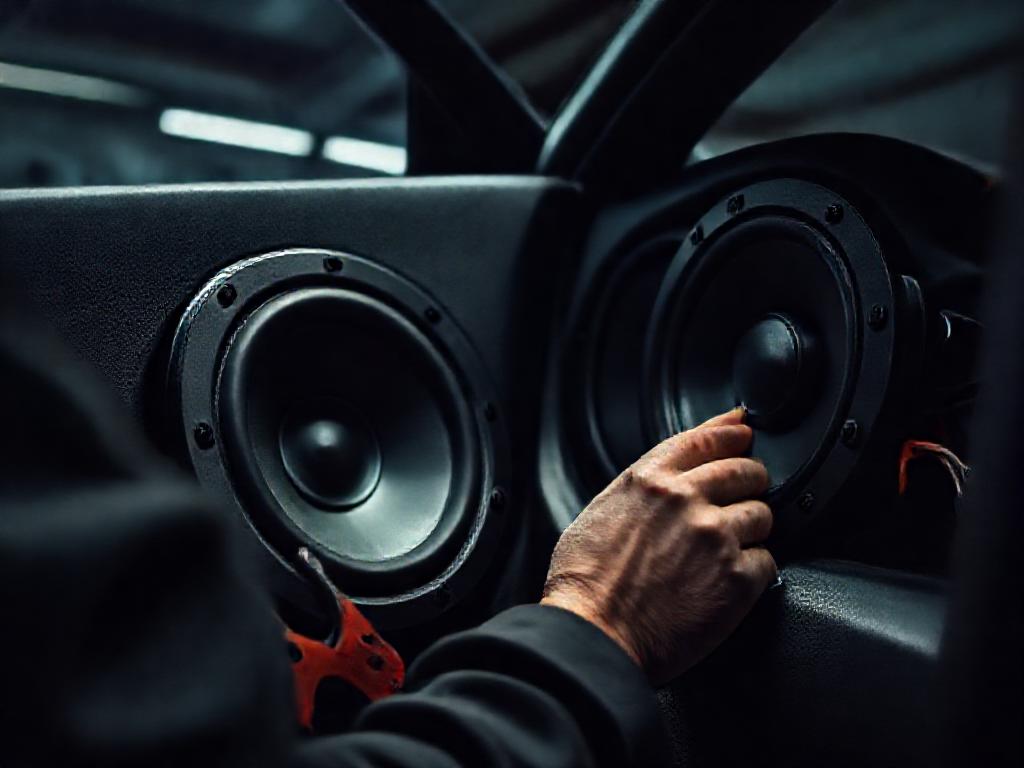
If you love listening to music or podcasts in your car, road noise can be a major distraction. Whether it’s the hum of tires, wind rushing past, or vibrations from the road, excessive noise can drown out your car audio system. Fortunately, there are effective ways to reduce road noise in car audio and enjoy a clearer, more immersive listening experience. Below, we’ll explore expert techniques to minimize unwanted noise and optimize your sound system.
Understanding Road Noise and Its Impact on Car Audio
Road noise is an often-overlooked factor that can significantly degrade your car audio experience. This unwanted sound enters your vehicle through various pathways, including the tires, suspension, and body panels. When road noise competes with your music, it forces you to increase volume levels, which can lead to distortion and listener fatigue. Understanding the sources of road noise is the first step toward creating a quieter cabin environment for optimal audio enjoyment.
Modern vehicles are designed with aerodynamics and fuel efficiency in mind, but these priorities don't always align with acoustic comfort. The constant hum of tires on pavement, wind rushing past the exterior, and vibrations from the road surface all contribute to what we collectively call road noise. This noise spectrum typically ranges from 20Hz to 500Hz, which unfortunately overlaps with the fundamental frequencies of most music. When these frequencies collide, your car's audio system has to work harder to maintain clarity.
Identifying Common Sources of Road Noise
Before you can effectively reduce road noise car audio systems face, you need to identify where the noise is coming from. The most common sources include:
- Tire noise: The primary culprit, especially with larger tires or aggressive tread patterns
- Wind noise: Created by air passing over the vehicle's exterior at higher speeds
- Suspension noise: Transmitted through the chassis from uneven road surfaces
- Body panel vibrations: Loose or poorly insulated panels that resonate with road vibrations
- Exhaust drone: Low-frequency noise from the exhaust system that enters the cabin
- Window and door seals: Worn or damaged weatherstripping that allows noise infiltration
Each of these sources contributes differently to the overall noise profile of your vehicle. Tire noise, for instance, tends to be more pronounced at highway speeds, while suspension noise becomes more noticeable on rough roads. Wind noise typically increases with speed and is more prevalent in vehicles with boxy designs or poor aerodynamics. By identifying which noises are most prominent in your vehicle, you can prioritize your soundproofing efforts more effectively.
Practical Solutions to Reduce Road Noise
Sound Deadening Materials
One of the most effective ways to reduce road noise car audio systems struggle with is through the application of sound deadening materials. These products work by adding mass to panels, dampening vibrations, and absorbing sound waves. The most common types include:
- Dynamat or similar butyl-based products: Applied to door panels, floorboards, and trunk areas
- Closed-cell foam: Used in door cavities and between body panels to absorb mid-high frequencies
- Mass loaded vinyl (MLV): Adds density to thin panels without adding excessive weight
- Spray-on sound deadeners: Ideal for hard-to-reach areas like wheel wells
When applying these materials, focus on areas where noise is most likely to enter: the floor, doors, trunk, and wheel wells. The key is to create a complete barrier that prevents noise from penetrating the cabin. For best results, combine different types of materials to address various frequency ranges. Remember that proper surface preparation is crucial - clean and degrease all surfaces before application to ensure maximum adhesion.
Tire and Suspension Upgrades
Your choice of tires can have a dramatic impact on road noise levels. Consider these options to minimize tire-related noise:
- Touring tires: Designed for quiet operation with special tread patterns and rubber compounds
- Tire pressure: Maintain manufacturer-recommended pressure to prevent excessive road noise
- Tire rotation: Regular rotation ensures even wear, which helps maintain consistent noise levels
- Wheel balancing: Properly balanced wheels reduce vibrations that can amplify road noise
Upgrading your suspension components can also help reduce road noise car audio systems face. Consider installing:
- Polyurethane bushings: More durable than rubber, they reduce vibrations transmitted through the suspension
- Performance shocks: High-quality shocks can better absorb road imperfections before they reach the cabin
- Strut mounts: Upgraded mounts can isolate vibrations from the suspension system
While these upgrades can be more expensive than simple sound deadening, they provide the added benefit of improved handling and ride quality. The reduction in road noise will be immediately noticeable, especially on rough pavement or at highway speeds.
Vehicle-Specific Soundproofing Techniques
Door Panel Treatment
Doors are one of the primary entry points for road noise and deserve special attention when soundproofing. A comprehensive door treatment involves several steps:
- Remove the door panel and clean all surfaces thoroughly
- Apply a layer of sound deadening material to the outer door skin
- Install closed-cell foam in the door cavity to absorb mid-high frequencies
- Add mass loaded vinyl to the inner door panel for additional density
- Ensure all wiring and mechanical components are properly secured to prevent rattles
- Reinstall the door panel with new weatherstripping if necessary
This multi-layer approach creates a barrier that significantly reduces noise infiltration while also improving your door speakers' performance. The additional mass helps prevent the door panel from resonating, which can color the sound of your audio system. For even better results, consider upgrading to sound-deadened door panels if your vehicle manufacturer offers them as an option.
Floor and Trunk Soundproofing
The floor and trunk areas are often overlooked but can contribute significantly to road noise. These large, flat surfaces act as giant soundboards, amplifying vibrations from the road. To address this:
- Remove the carpet and clean the floor thoroughly
- Apply a layer of butyl-based sound deadener to the entire floor area
- Install closed-cell foam on top of the sound deadener for additional absorption
- For the trunk, apply sound deadening material to the trunk lid, rear wheel wells, and spare tire area
- Consider adding a layer of mass loaded vinyl under the carpet for extra density
- Reinstall the carpet with new sound-deadening padding if available
When treating the trunk area, pay special attention to the rear wheel wells, as these are often major sources of tire noise. The combination of sound deadening materials and absorption layers will create a much quieter environment for your subwoofer and rear speakers. This treatment is particularly beneficial for hatchbacks and SUVs, where the cargo area is directly connected to the passenger compartment.
Maintaining Your Soundproofing Investment
Once you've invested time and money to reduce road noise car audio systems face, it's important to maintain your soundproofing efforts. Regular maintenance will ensure your vehicle remains quiet and your audio system continues to perform at its best. Here are some maintenance tips:
- Inspect weatherstripping: Check door seals and window channels regularly for wear or damage
- Monitor tire condition: Replace tires before tread wears down to unsafe levels, as worn tires are often noisier
- Check suspension components: Listen for new rattles or clunks that might indicate worn suspension parts
- Clean sound deadening materials: Vacuum carpets and floor mats regularly to prevent dust buildup
- Inspect for water damage: Moisture can degrade sound deadening materials over time
- Reapply treatments as needed: Some materials may need refreshing after several years
By staying proactive with maintenance, you can extend the life of your soundproofing treatments and continue to enjoy a quiet cabin environment. This is especially important in regions with extreme weather conditions, where temperature fluctuations and road salt can accelerate wear on both your vehicle and its soundproofing materials.
Advanced Techniques for Audiophiles
For those seeking the ultimate in-car audio experience, several advanced techniques can further reduce road noise car audio enthusiasts encounter. These methods require more technical expertise but can yield impressive results:
Active Noise Cancellation
Some luxury vehicles come equipped with active noise cancellation (ANC) systems, but aftermarket solutions are also available. These systems use microphones to detect road noise and then generate inverse sound waves to cancel it out. While effective, ANC systems can be expensive and may require professional installation. They work best for predictable, low-frequency noises like engine drone or highway hum.
Structural Reinforcement
Reinforcing your vehicle's structure can help reduce vibrations that contribute to road noise. This might involve:
- Adding structural braces to the chassis
- Installing strut tower braces
- Reinforcing firewall and floor pan areas
These modifications not only reduce noise but can also improve your vehicle's handling characteristics. However, they should be performed by experienced professionals to ensure they don't compromise safety or structural integrity.
Premium Soundproofing Products
For those willing to invest in top-tier solutions, premium soundproofing products offer superior performance. Brands like Alchimist offer specialized materials designed specifically for automotive applications. Their Alchimist Acoustic Shield line, for example, provides advanced noise reduction while maintaining a lightweight profile. These products often feature:
- Multi-layer construction for broad-spectrum noise reduction
- Heat-resistant adhesives for long-lasting performance
- Precision-cut kits for specific vehicle models
- Professional-grade installation materials
While these premium options come at a higher cost, they deliver exceptional results for audiophiles and those seeking the quietest possible cabin environment. The combination of advanced materials and precise application can transform your vehicle's acoustic properties, allowing your audio system to perform at its absolute best.
Conclusion: Creating the Perfect Listening Environment
Reducing road noise is one of the most effective ways to enhance your car audio experience. By understanding the sources of noise, applying practical soundproofing techniques, and maintaining your vehicle properly, you can create a significantly quieter cabin environment. This allows your audio system to reproduce music with greater clarity and detail, without the need for excessive volume levels.
Remember that soundproofing is a cumulative process - each improvement you make will contribute to the overall reduction of road noise. Start with the most critical areas like doors and floor, then work your way to less obvious sources. The result will be a more enjoyable driving experience, whether you're listening to music, podcasts, or simply enjoying the peace and quiet.
For those seeking professional-grade solutions, consider consulting with car audio specialists who can recommend the best products and techniques for your specific vehicle. With the right approach, you can transform your car into a true concert hall on wheels, where every note and nuance of your favorite music comes through with stunning clarity.
For more tips on optimizing your car audio, check out our premium sound-deadening materials or read our guide on car audio upgrades for better sound quality. Need help? Contact our experts for personalized advice.