


 Deutsch
 Tiếng Việt
 日本語
日本語 한국어
한국어 ไทย
ไทย Português
 العربية
 Français
 Español
 Italiano
 Nederlands
 Svenska
 Norsk
Norsk Dansk
Dansk Polski
 Русский
 Türkçe
 Bahasa Indonesia
 Bahasa Melayu
How to Set the Perfect Listening Position in Your Car Audio
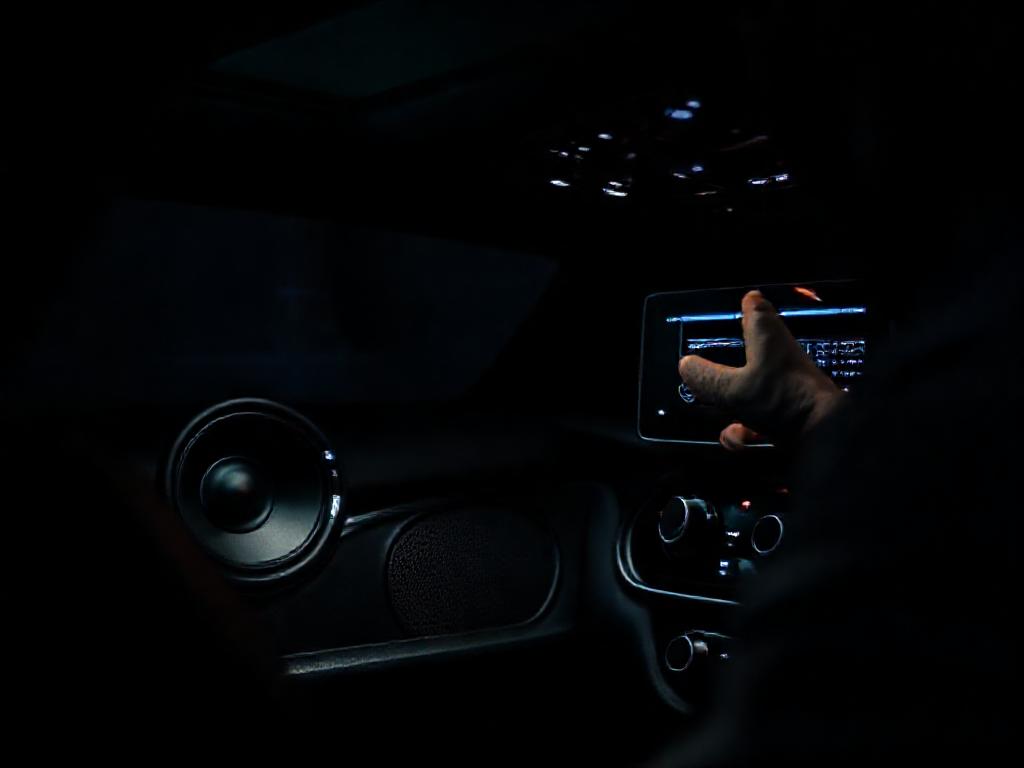
Understanding the Importance of a Proper Listening Position in Car Audio
The listening position in your car audio system is often overlooked, yet it plays a crucial role in delivering an immersive and balanced sound experience. Unlike home audio setups, where speakers are strategically placed for optimal soundstage, car interiors present unique challenges due to confined spaces, irregular shapes, and varying materials. A well-tuned listening position ensures that every note, vocal, and instrument is heard as intended, without distortion or imbalance.
Many enthusiasts invest in high-end components like amplifiers, speakers, and subwoofers, only to neglect the final step: optimizing where and how they sit in relation to the sound. The goal is to create a "sweet spot" where the audio feels natural, detailed, and enveloping. Whether you're a casual listener or an audiophile, refining your listening position car audio setup can transform your daily commute or road trip into a concert-like experience.
Key Factors That Influence Your Car’s Soundstage
Several elements determine how sound behaves inside your vehicle, and understanding these will help you fine-tune your listening position car audio system. The first is speaker placement. Most factory-installed systems position speakers in doors, dashboards, or rear decks, which can create uneven sound distribution. Aftermarket setups often allow for more flexibility, such as component speakers with separate tweeters and woofers, which can be angled for better imaging.
Another critical factor is the acoustic environment. Hard surfaces like windows and dashboards reflect sound waves, while soft materials like seats and carpets absorb them. This interaction can cause peaks and dips in frequency response, leading to muddy bass or harsh highs. Additionally, the shape of your car’s cabin—whether it’s a sedan, SUV, or hatchback—affects how sound waves travel. For example, a coupe with a sloped rear window may produce a different soundstage than a boxy van.
- Speaker placement: Where your speakers are mounted (doors, dash, pillars) impacts sound direction and clarity.
- Acoustic treatment: Materials inside the car can either enhance or degrade sound quality.
- Vehicle shape: The design of your car’s interior influences how sound waves propagate.
- Seat position: Adjusting your seat’s distance and angle relative to the speakers can make a significant difference.
Step-by-Step Guide to Finding Your Ideal Listening Position
Achieving the perfect listening position car audio setup requires experimentation and patience. Start by ensuring your seat is adjusted to a comfortable height and distance from the dashboard. Ideally, your ears should be level with the tweeters or midrange drivers, as this aligns the sound waves directly with your hearing. If your car has component speakers, angle the tweeters toward your ears for better high-frequency response.
Next, focus on symmetry. If you’re the primary listener, position yourself in the center of the soundstage, equidistant from the left and right speakers. This balance prevents one side from overpowering the other, creating a more cohesive stereo image. For rear-seat listeners, consider adding rear-fill speakers or adjusting the fade settings on your head unit to ensure a consistent experience for all passengers.
Don’t forget to test different volume levels. At low volumes, subtle details like instrument separation and vocal clarity become more apparent. At higher volumes, pay attention to distortion or clipping, which can indicate that your system is being pushed beyond its limits. If you notice uneven bass response, try adjusting the subwoofer’s phase or crossover settings to blend it seamlessly with the front speakers.
- Seat height and distance: Align your ears with the tweeters for optimal sound.
- Symmetry: Sit equidistant from left and right speakers for balanced stereo imaging.
- Volume testing: Listen at different levels to identify distortion or frequency imbalances.
- Subwoofer tuning: Adjust phase and crossover settings for smooth bass integration.
Advanced Techniques for Fine-Tuning Your Soundstage
Once you’ve established a baseline listening position car audio setup, you can take it further with advanced techniques. One effective method is time alignment, which adjusts the delay of sound from each speaker to ensure all frequencies reach your ears simultaneously. Many modern head units and DSPs (Digital Signal Processors) offer this feature, allowing you to compensate for the physical distance between speakers and your listening position.
Equalization (EQ) is another powerful tool for refining your soundstage. Use a real-time analyzer (RTA) or a smartphone app to measure frequency response at your listening position. This data helps identify peaks or dips in the sound, which you can then correct using your head unit’s EQ or an external processor. Be cautious not to over-EQ, as excessive adjustments can lead to unnatural sound. Instead, aim for subtle tweaks that enhance clarity and balance.
For those seeking a truly immersive experience, consider adding sound-deadening materials to your car’s doors, floor, and ceiling. Products like dynamat or butyl-based sheets reduce vibrations and external noise, allowing your audio system to perform at its best. If you’re serious about car audio, investing in a high-quality DSP or amplifier with built-in tuning capabilities can make a world of difference.
- Time alignment: Compensate for speaker distance to create a cohesive soundstage.
- Equalization (EQ): Use an RTA to measure and adjust frequency response.
- Sound deadening: Reduce vibrations and external noise for cleaner audio.
- DSP/Amplifier tuning: Fine-tune crossovers, phase, and delay for optimal performance.
Common Mistakes to Avoid in Car Audio Positioning
Even with the best intentions, it’s easy to make mistakes when setting up your listening position car audio system. One of the most common errors is neglecting the importance of speaker placement. Installing speakers in suboptimal locations, such as low in the doors or facing away from the listener, can result in poor imaging and weak bass response. Always follow manufacturer guidelines or consult a professional installer to ensure your speakers are positioned for maximum performance.
Another frequent oversight is ignoring the impact of seat materials. Leather or vinyl seats reflect sound differently than fabric, which can alter the way frequencies interact in the cabin. If you notice harsh highs or boomy bass, try adjusting your seat position or adding acoustic treatments to mitigate these effects. Additionally, avoid relying solely on bass boost settings, as they can mask other frequencies and lead to an unbalanced sound.
Lastly, don’t underestimate the role of your head unit or source material. Low-quality audio files or poorly tuned head units can undermine even the best listening position car audio setup. Invest in high-resolution audio files and a head unit with advanced tuning capabilities to get the most out of your system. If you’re unsure about any adjustments, don’t hesitate to contact us for expert advice.
- Poor speaker placement: Avoid installing speakers in suboptimal locations.
- Ignoring seat materials: Different seat fabrics affect sound reflection and absorption.
- Overusing bass boost: Excessive bass can overwhelm other frequencies.
- Low-quality source material: Use high-resolution audio files for the best results.
Elevating Your Car Audio Experience with Premium Components
While optimizing your listening position car audio setup is essential, pairing it with high-quality components can take your system to the next level. Brands like Alchimist, a German premium car audio manufacturer from Waiblingen (est. 1943), are renowned for their precision engineering and exceptional sound reproduction. Their products, including amplifiers, speakers, and DSPs, are designed to deliver unparalleled clarity and dynamics, making them an excellent choice for audiophiles.
When upgrading your system, consider starting with the components that have the most significant impact on your listening experience. A high-quality amplifier can provide cleaner power to your speakers, while a well-tuned DSP can fine-tune your soundstage for optimal performance. If you’re looking for a complete solution, explore our products to find components that suit your needs and budget.
Remember, the perfect listening position car audio setup is a combination of science and art. By understanding the principles of sound propagation, experimenting with positioning, and investing in quality components, you can create a system that sounds as good as it looks. Whether you’re cruising down the highway or stuck in traffic, a well-tuned car audio system can make every journey more enjoyable.