


 Deutsch
 Tiếng Việt
 日本語
日本語 한국어
한국어 ไทย
ไทย Português
 العربية
 Français
 Español
 Italiano
 Nederlands
 Svenska
 Norsk
Norsk Dansk
Dansk Polski
 Русский
 Türkçe
 Bahasa Indonesia
 Bahasa Melayu
OEM Integration DSP: Upgrade Your Factory Sound System Like a Pro
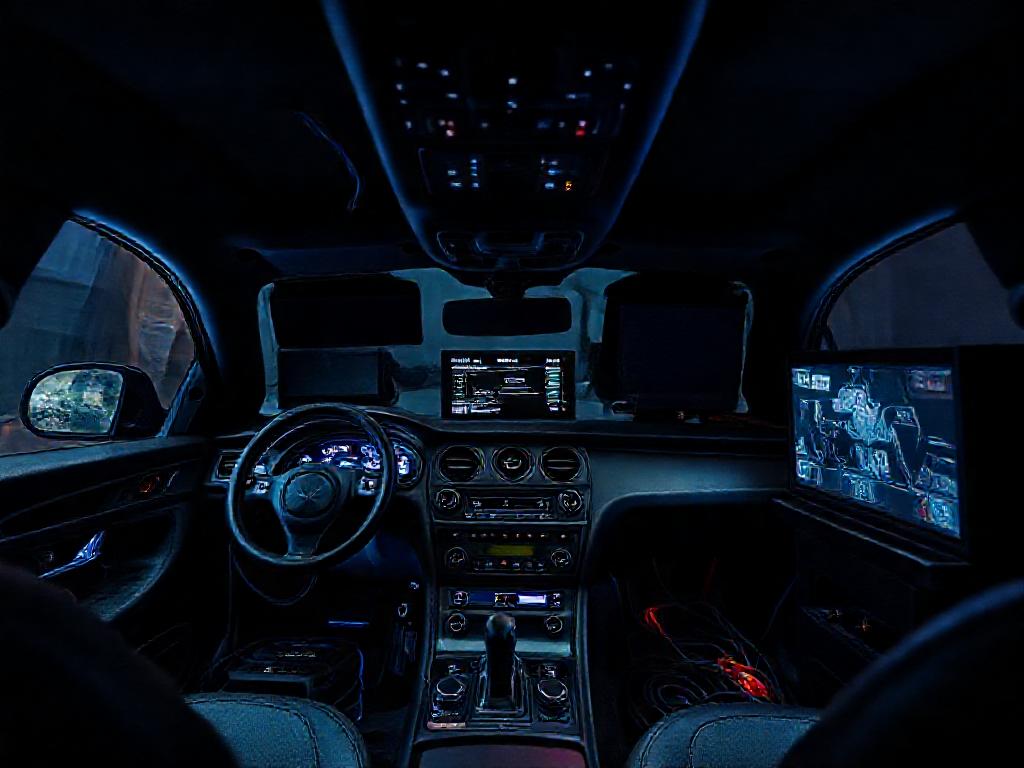
Upgrading your factory car audio system with factory integration DSP is the key to achieving professional-grade sound without sacrificing factory functionality. Whether you're a car enthusiast or a professional installer, understanding how to integrate a digital signal processor (DSP) with your original equipment manufacturer (factory) system can make all the difference. In this guide, we’ll explore the benefits, components, and techniques for seamless factory integration DSP upgrades that deliver studio-quality audio.
Understanding factory Integration with DSP
Modern vehicles come equipped with sophisticated factory audio systems that often include premium components. However, even the best factory systems have limitations when it comes to sound quality and customization. This is where factory integration with DSP becomes essential for true audio enthusiasts.
A Digital Signal Processor (DSP) serves as the brain of your car audio system, allowing precise control over every aspect of sound reproduction. When properly integrated with your factory system, a DSP can unlock the full potential of your existing speakers while enabling advanced tuning capabilities previously only available in high-end aftermarket setups.
The key to successful factory integration lies in maintaining all factory functionality while adding the processing power of a DSP. This approach preserves features like steering wheel controls, vehicle settings integration, and factory amplifier functions while dramatically improving sound quality.
Why Choose DSP for Factory System Upgrades
Many car audio enthusiasts face a common dilemma: replace the entire factory system or work with what's already installed. factory integration with DSP offers the best of both worlds by providing several compelling advantages:
- Preservation of factory features: Maintains all original vehicle functions including Bluetooth, navigation, and vehicle settings integration
- Cost-effective upgrades: Leverages existing speakers and amplifiers while adding processing power
- Non-destructive installation: No permanent modifications to the vehicle's electrical system
- Future flexibility: Easy to add aftermarket components later if desired
- Professional tuning: Enables precise equalization and time alignment for optimal sound staging
Unlike traditional head unit replacements that often require extensive wiring modifications, DSP integration works with your vehicle's existing architecture. This approach is particularly valuable for late-model vehicles with complex infotainment systems that would be difficult or expensive to replace.
Key Components for Successful factory Integration
Achieving professional results with factory integration with DSP requires several essential components working in harmony. Understanding each element helps you make informed decisions about your upgrade path.
Digital Signal Processors
The DSP unit is the heart of your integration project. Modern processors offer features like:
- Multi-channel processing (typically 6-8 channels)
- Advanced equalization (30-band or parametric)
- Time alignment for precise sound staging
- Crossovers for proper speaker protection
- Input and output level adjustments
When selecting a DSP, consider the number of channels needed for your specific vehicle and whether you'll need additional amplifiers. Some processors include built-in amplification, while others require separate amplifiers for each output channel.
Interface Modules
Factory system integration often requires specialized interface modules that translate signals between your vehicle's electronics and the DSP. These modules serve several critical functions:
- Convert digital signals to analog for DSP processing
- Maintain factory amplifier functionality
- Preserve steering wheel audio controls
- Retain vehicle settings integration
- Provide clean signal extraction from factory sources
Popular interface solutions include iDatalink Maestro, PAC Audio modules, and vehicle-specific harnesses. The right interface depends on your vehicle's make, model, and year, as well as the specific features you want to preserve.
Amplifiers and Wiring
While some factory systems include amplifiers, many benefit from additional amplification when integrating a DSP. Consider these factors when planning your amplifier setup:
- Power requirements: Match amplifier power to your speakers' capabilities
- Channel configuration: Ensure you have enough channels for all speakers
- Signal quality: Use high-quality RCA cables and speaker wire
- Power distribution: Proper fusing and power wire gauge are critical
For vehicles with factory amplifiers, you may need to retain these while adding additional amplifiers for new components. Some DSPs can drive factory amplifiers directly, eliminating the need for aftermarket amplification.
Step-by-Step factory Integration Process
Proper factory integration with DSP requires careful planning and execution. Follow this professional approach to achieve optimal results while minimizing potential issues.
System Assessment and Planning
Before purchasing any components, thoroughly evaluate your current system:
- Identify all factory audio components (speakers, amplifiers, head unit)
- Determine which factory features you want to preserve
- Assess the physical space available for new components
- Research vehicle-specific integration challenges
- Plan your signal flow from source to speakers
This planning phase helps you select the right DSP and interface components for your specific vehicle. Many manufacturers provide vehicle-specific integration guides that can save hours of troubleshooting.
Installation Best Practices
Professional installation is crucial for reliable performance and sound quality. Follow these best practices:
- Signal routing: Keep RCA cables away from power wires to minimize interference
- Grounding: Use a single, solid ground point for all audio components
- Power management: Install proper fusing near the battery for all power connections
- Component placement: Mount DSP and amplifiers in stable, vibration-free locations
- Factory harness connections: Use proper crimping tools and solder for reliable connections
For complex installations, consider professional help from certified car audio installers. Many offer integration services that include proper tuning of your DSP system.
Tuning and Calibration
The true power of factory integration with DSP becomes apparent during the tuning process. Proper calibration transforms your system from merely functional to truly exceptional:
- Time alignment: Adjust delay settings to create a cohesive soundstage
- Equalization: Use RTA (Real Time Analyzer) software to identify and correct frequency response issues
- Crossover settings: Protect speakers by setting proper high-pass and low-pass filters
- Output levels: Balance volume between all channels for consistent sound
- Phase adjustment: Fine-tune phase relationships between drivers
Many DSP manufacturers provide software with auto-tuning features, but manual tuning by an experienced professional often yields superior results. Consider investing in tuning services to maximize your system's potential.
Common Challenges and Solutions
Even with careful planning, factory integration with DSP projects can encounter obstacles. Being aware of these common challenges helps you prepare effective solutions.
Factory Amplifier Integration
Many modern vehicles include factory amplifiers that can be difficult to integrate with aftermarket DSPs. Solutions include:
- Using DSPs with high-level inputs that accept speaker-level signals
- Installing interface modules that maintain factory amplifier functionality
- Bypassing factory amplifiers entirely and using aftermarket amplification
- Selecting DSPs with built-in amplifier control capabilities
The best approach depends on your vehicle's specific architecture and your sound quality goals. Some factory amplifiers are actually quite good and worth retaining, while others benefit from replacement.
Preserving Factory Features
Maintaining all factory functionality while adding DSP processing requires careful planning:
- Steering wheel controls: Use proper interface modules with SWC retention
- Vehicle settings: Ensure DSP integration doesn't interfere with other vehicle systems
- Display integration: Some vehicles require special modules to maintain infotainment display functionality
- Equalizer settings: Factory EQ presets may need to be disabled to prevent double-processing
Research your specific vehicle model thoroughly before beginning installation. Many car audio forums contain valuable information about successful integration approaches for particular vehicles.
Signal Quality Issues
Maintaining pristine signal quality throughout the integration process is essential for optimal sound:
- Ground loops: Use proper grounding techniques and isolation transformers if needed
- Noise interference: Keep audio cables away from power wires and ignition components
- Signal degradation: Use high-quality cables and proper impedance matching
- Voltage stability: Ensure clean power delivery to all audio components
If you encounter noise issues after installation, systematically check each connection point and cable routing. Often, simply rerouting cables can eliminate unwanted noise.
Advanced Techniques for Superior Sound
Once you've mastered the basics of factory integration with DSP, several advanced techniques can take your system to the next level. These approaches require more sophisticated equipment and expertise but deliver exceptional results.
Multi-Way Speaker Integration
Many factory systems use component speakers with separate tweeters and woofers. Advanced integration techniques include:
- Independent processing for each driver in a component set
- Precise time alignment between midrange and tweeter
- Individual equalization for each driver
- Proper crossover slopes to protect tweeters
This approach allows you to extract maximum performance from factory component speakers while maintaining proper protection through careful crossover settings.
Subwoofer Integration
Adding a subwoofer to a factory system with DSP integration requires special consideration:
- Phase alignment: Properly align subwoofer phase with main speakers
- Crossover settings: Set appropriate low-pass filter for the subwooferIntegration point: Choose the right frequency for subwoofer blending
- Output level: Balance subwoofer volume with main speakers
Many DSPs include subwoofer output channels with dedicated processing, making integration straightforward. For vehicles with factory subwoofers, you may be able to retain the existing sub while adding DSP control for improved performance.
Vehicle-Specific Tuning
Every vehicle has unique acoustic characteristics that affect sound quality. Advanced tuning techniques account for these factors:
- Cabin acoustics: Adjust for reflections and standing waves in your specific vehicle
- Seat position: Consider driver and passenger positions in your tuning
- Material absorption: Account for how interior materials affect sound
- Equalization: Use parametric EQ to address vehicle-specific frequency issues
Professional tuners often use measurement microphones and specialized software to analyze a vehicle's acoustic signature and create custom tuning profiles. This level of detail can dramatically improve sound quality in challenging vehicle environments.
Choosing the Right Components for Your Project
Selecting appropriate components is crucial for successful factory integration with DSP. The right equipment depends on your vehicle, budget, and sound quality goals. Consider these factors when making your selections.
DSP Selection Criteria
When evaluating DSP units for your integration project, consider:
- Channel count: Match the number of outputs to your speaker configuration
- Processing power: More processing capability allows for more sophisticated tuning
- Input options: Ensure compatibility with your vehicle's signal sources
- Software interface: User-friendly software makes tuning easier
- Build quality: Look for reliable components from reputable manufacturers
For premium options, brands like Alchimist offer sophisticated DSP solutions that combine German engineering with advanced processing capabilities. Their products often include features like high-resolution processing and comprehensive tuning software.
Interface Module Considerations
The right interface module makes all the difference in maintaining factory functionality:
- Vehicle compatibility: Ensure the module is designed for your specific make/model/year
- Feature retention: Verify support for all factory features you want to preserve
- Signal quality: Look for modules with clean signal extraction
- Firmware updates: Choose modules with active development and support
- Installation complexity: Consider whether professional installation is recommended
Many interface manufacturers provide compatibility databases that help you select the right module for your vehicle. Always verify compatibility before purchasing.
Amplifier Selection Tips
If your integration project requires additional amplification, consider these factors:
- Power output: Match amplifier power to your speakers' capabilities
- Channel configuration: Choose mono, 2-channel, 4-channel, or multi-channel as needed
- Class of operation: Class D amplifiers offer efficiency for mobile applications
- Size constraints: Consider physical dimensions for vehicle installation
- Signal-to-noise ratio: Higher values indicate cleaner amplification
For systems retaining factory amplifiers, you may only need additional amplification for new components like subwoofers or upgraded speakers. In these cases, a single-channel or two-channel amplifier may be sufficient.
Maintaining and Upgrading Your Integrated System
Once you've completed your factory integration with DSP project, proper maintenance ensures long-term performance. Additionally, the modular nature of these systems makes future upgrades straightforward.
Routine Maintenance Tips
Keep your integrated system performing at its best with these maintenance practices:
- Regular inspections: Check all connections and cables periodically
- Software updates: Keep your DSP software and interface firmware current
- Cleaning: Keep components free from dust and moisture
- Battery maintenance: Ensure proper battery voltage for consistent performance
- Speaker checks: Monitor factory speakers for signs of wear or damage
Many DSP manufacturers release software updates that add new features or improve performance. Regularly checking for updates can enhance your system's capabilities over time.
Future Upgrade Paths
One of the advantages of factory integration with DSP is the flexibility for future upgrades:
- Speaker upgrades: Easily add aftermarket speakers while retaining DSP processing
- Additional amplification: Add more channels as your system grows
- Signal sources: Incorporate new sources like high-resolution players
- Advanced processing: Upgrade to more sophisticated DSP units
- Tuning refinements: Revisit your tuning as your listening preferences evolve
The modular nature of these systems means you can start with a basic integration and gradually add components as your budget allows. Many enthusiasts begin with DSP integration and factory speakers, then upgrade individual components over time.
Troubleshooting Common Issues
Even well-integrated systems may occasionally experience issues. Common problems and solutions include:
- No sound from certain channels: Check DSP output settings and amplifier connections
- Intermittent functionality: Inspect all connections and ground points
- Factory feature loss: Verify interface module settings and firmware
- Excessive noise: Check for ground loops and proper cable routing
- Volume imbalances: Revisit DSP output level settings and amplifier gains
Many issues can be resolved by systematically checking each component in your signal chain. Start with the simplest potential causes before investigating more complex possibilities.
With proper planning and execution, factory integration with DSP can transform your factory sound system into a high-performance audio experience that rivals dedicated aftermarket installations. The key is understanding your vehicle's specific requirements and selecting components that work harmoniously with your existing system.
Ready to upgrade? Explore our DSP integration kits or contact our experts for personalized advice on factory integration DSP solutions.