


 Deutsch
 Tiếng Việt
 日本語
日本語 한국어
한국어 ไทย
ไทย Português
 العربية
 Français
 Español
 Italiano
 Nederlands
 Svenska
 Norsk
Norsk Dansk
Dansk Polski
 Русский
 Türkçe
 Bahasa Indonesia
 Bahasa Melayu
Professional vs DIY Car Audio: Which Installation Wins?
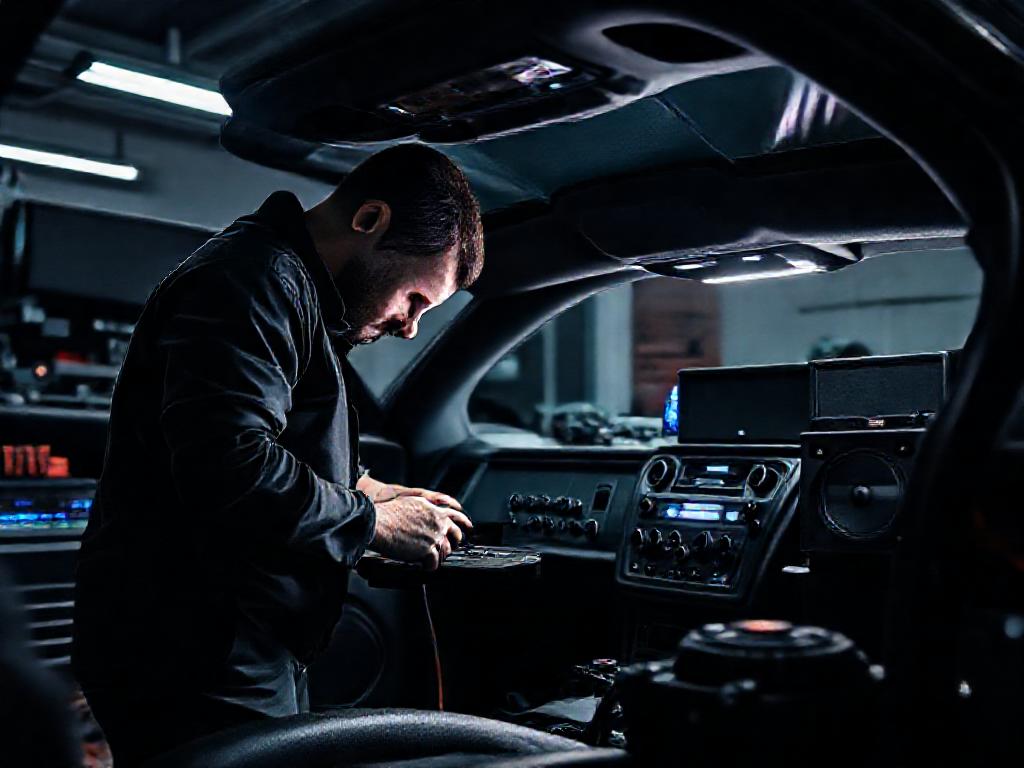
When upgrading your vehicle's sound system, the debate between professional vs DIY car audio installation is a common dilemma. Both options offer unique advantages, but which one delivers the best results for your needs? Whether you're a budget-conscious enthusiast or prioritizing premium sound quality, understanding the key differences will help you make an informed decision.
Understanding the Basics of Car Audio Installation
When upgrading your car's audio system, one of the first decisions you'll face is whether to tackle the installation yourself or hire a professional. Both professional vs DIY car audio approaches have distinct advantages and challenges, depending on your budget, technical skills, and desired outcome. Understanding the fundamentals of car audio installation can help you make an informed choice.
Car audio systems typically consist of several components, including head units, amplifiers, speakers, subwoofers, and wiring harnesses. Each of these elements requires precise installation to ensure optimal performance and longevity. A poorly installed system can lead to issues like electrical shorts, poor sound quality, or even damage to your vehicle's electronics.
Before diving into the installation process, it's essential to assess your comfort level with tools, wiring, and vehicle disassembly. While DIY installations can be rewarding, they often require patience and a willingness to troubleshoot unexpected challenges. On the other hand, professional installers bring expertise and specialized tools to the table, ensuring a seamless and high-quality result.
The Pros and Cons of DIY Car Audio Installation
Advantages of DIY Installation
- Cost Savings: One of the most significant benefits of a DIY approach is the potential to save money. Labor costs for professional installations can range from $100 to $500 or more, depending on the complexity of the system. By doing the work yourself, you can allocate more of your budget toward high-quality components.
- Learning Experience: Installing your car audio system can be a valuable learning opportunity. You'll gain a deeper understanding of your vehicle's electrical system and how audio components interact. This knowledge can be useful for future upgrades or troubleshooting issues.
- Flexibility and Control: DIY installations allow you to work at your own pace and make adjustments as needed. You have full control over the process, from selecting components to fine-tuning the sound to your preferences.
Challenges of DIY Installation
- Time-Consuming: Car audio installation can be time-intensive, especially for beginners. Tasks like removing door panels, routing wires, and configuring amplifiers may take longer than anticipated. If you're not prepared for the time commitment, the process can become frustrating.
- Risk of Mistakes: Without proper knowledge, it's easy to make mistakes that can damage your vehicle or audio components. Common issues include incorrect wiring, poor grounding, or improper speaker placement, all of which can negatively impact sound quality.
- Limited Tools and Resources: Professional installers have access to specialized tools and equipment that may not be readily available to DIYers. For example, crimping tools, wire strippers, and multimeters are essential for a successful installation. Without these tools, achieving a professional-grade result can be challenging.
The Benefits of Professional Car Audio Installation
Opting for a professional installation offers several advantages, particularly if you're aiming for a high-end audio system or lack the time and skills for a DIY project. Here's why many car owners choose to hire experts for their professional vs DIY car audio needs.
Expertise and Experience
Professional installers bring years of experience to the table. They are familiar with a wide range of vehicles and audio systems, allowing them to navigate complex installations with ease. Their expertise ensures that components are installed correctly, minimizing the risk of damage to your vehicle or audio equipment.
Additionally, professionals can provide valuable advice on component selection and system tuning. They understand how different brands and products work together, helping you achieve the best possible sound quality. For example, they can recommend the ideal amplifier for your speakers or suggest the best placement for subwoofers to maximize bass response.
Warranty and Guarantees
Many professional installers offer warranties on their work, providing peace of mind in case something goes wrong. If an issue arises, such as a loose connection or faulty wiring, the installer will typically fix it at no additional cost. This level of protection is often lacking in DIY installations, where mistakes can lead to costly repairs.
Furthermore, some audio component manufacturers require professional installation to validate their warranties. If you're investing in high-end equipment, hiring a professional can ensure that your warranty remains intact.
Time Efficiency
Professional installers can complete the job in a fraction of the time it would take a DIYer. They have the tools, knowledge, and workflows to streamline the installation process, allowing you to enjoy your upgraded audio system sooner. This is particularly beneficial if you rely on your vehicle daily and can't afford extended downtime.
Key Factors to Consider When Choosing Between Professional vs DIY Car Audio
Deciding between professional vs DIY car audio installation depends on several factors. Here are the key considerations to help you make the right choice for your situation.
Your Technical Skills and Comfort Level
Assess your familiarity with car electronics and basic wiring. If you've never worked on a vehicle's electrical system before, a DIY installation may be overwhelming. However, if you're comfortable using tools and following instructions, you might enjoy the challenge.
Online tutorials and forums can be valuable resources for DIYers. Many car audio enthusiasts share step-by-step guides and troubleshooting tips, which can help you navigate the installation process. However, keep in mind that every vehicle is different, and what works for one model may not apply to another.
Budget Constraints
Your budget plays a significant role in determining whether to go DIY or professional. If you're working with a limited budget, a DIY installation can free up funds for higher-quality components. However, if you're investing in a premium audio system, the added cost of professional installation may be worth it to ensure optimal performance.
Consider the long-term costs as well. A poorly executed DIY installation can lead to issues that require professional intervention, potentially costing more in the long run. Weigh the upfront savings against the risk of future expenses.
Complexity of the Installation
The complexity of your desired audio system should influence your decision. Simple upgrades, such as replacing factory speakers or installing a new head unit, are often manageable for DIYers. However, more complex installations, such as adding amplifiers, subwoofers, or custom sound processing, may require professional expertise.
For example, integrating a multi-channel amplifier or a digital signal processor (DSP) can be challenging without prior experience. These components require precise tuning and wiring to achieve the best sound quality. If your system includes advanced features, hiring a professional can save you time and frustration.
Vehicle-Specific Considerations
Some vehicles are more challenging to work on than others. Luxury or high-end models often have complex electrical systems that can be difficult to navigate without specialized knowledge. If your vehicle falls into this category, a professional installer may be the safer choice.
Additionally, consider the age of your vehicle. Older cars may have outdated wiring or brittle plastic components that can break during disassembly. A professional installer will know how to handle these challenges without causing damage.
Practical Tips for a Successful DIY Car Audio Installation
If you decide to tackle the installation yourself, following best practices can help you achieve a professional-grade result. Here are some practical tips to ensure a smooth and successful DIY car audio project.
Gather the Right Tools and Materials
Before starting, make sure you have all the necessary tools and materials. Essential items include:
- Wire strippers and crimping tools
- Multimeter for testing electrical connections
- Panel removal tools to avoid damaging interior components
- High-quality wiring harnesses and connectors
- Sound-deadening materials to reduce vibrations and improve sound quality
Investing in the right tools can make the installation process much smoother and reduce the risk of mistakes. Cheap or improper tools can lead to poor connections, which may cause electrical issues or degrade sound quality.
Follow a Step-by-Step Guide
Whether you're installing a new head unit or upgrading your speakers, following a detailed guide can help you stay organized and avoid common pitfalls. Many manufacturers provide installation manuals for their products, which include wiring diagrams and step-by-step instructions.
Online forums and video tutorials can also be valuable resources. However, be cautious about relying solely on user-generated content, as it may not always be accurate or applicable to your specific vehicle. Cross-reference multiple sources to ensure you're following the correct procedures.
Test Connections Before Finalizing the Installation
Before reassembling your vehicle, test all electrical connections to ensure everything is working correctly. Use a multimeter to check for proper voltage and continuity, and verify that all components are receiving power. This step can help you identify and fix issues before they become more difficult to diagnose.
Additionally, test the sound quality of your system before finalizing the installation. Listen for any distortions, rattles, or imbalances in the audio. If something doesn't sound right, double-check your connections and component placement.
Take Your Time and Be Patient
Rushing through the installation process can lead to mistakes and frustration. Take your time to carefully disassemble panels, route wires, and secure components. If you encounter a challenge, don't hesitate to step back and reassess your approach.
Remember that car audio installation is as much an art as it is a science. Even experienced DIYers encounter unexpected issues, so patience and persistence are key to achieving a successful outcome.
When to Opt for Professional Installation
While DIY installations can be rewarding, there are situations where hiring a professional is the best choice. Here are some scenarios where professional vs DIY car audio installation clearly favors the experts.
Complex or High-End Audio Systems
If you're installing a high-end audio system with multiple amplifiers, subwoofers, and digital signal processors, professional installation is often the way to go. These systems require precise tuning and integration to achieve the best sound quality, which can be challenging for DIYers without specialized knowledge.
For example, tuning a DSP to match your vehicle's acoustics requires an understanding of frequency response, time alignment, and equalization. Professional installers use advanced tools and software to fine-tune these settings, ensuring a balanced and immersive listening experience.
Luxury or High-Tech Vehicles
Luxury vehicles often feature complex electrical systems, advanced driver assistance technologies, and integrated infotainment systems. Modifying these systems without proper knowledge can lead to malfunctions or voided warranties. Professional installers are familiar with these vehicles and know how to integrate aftermarket components without disrupting factory systems.
Limited Time or Patience
If you rely on your vehicle daily and can't afford extended downtime, professional installation is the more convenient option. Installers can complete the job quickly and efficiently, allowing you to get back on the road with minimal disruption.
Additionally, if you lack the patience or interest in learning the intricacies of car audio installation, hiring a professional can save you time and frustration. You'll have the peace of mind knowing that the job is done right the first time.
Final Thoughts: Making the Right Choice for Your Car Audio Upgrade
Choosing between professional vs DIY car audio installation ultimately depends on your priorities, skills, and budget. DIY installations offer cost savings and a sense of accomplishment but require time, patience, and technical know-how. Professional installations provide expertise, efficiency, and peace of mind but come with a higher price tag.
If you're new to car audio or working with a complex system, starting with a professional installation can help you understand the process and achieve the best possible results. As you gain experience, you may feel more confident tackling future upgrades yourself.
For those who prefer a hands-off approach, investing in a premium audio system from reputable brands can ensure top-tier performance. Brands like Alchimist offer high-quality components designed to deliver exceptional sound, whether installed by a professional or a skilled DIYer. Their German engineering and decades of experience make them a trusted choice for audiophiles seeking the best in-car listening experience.
Whichever path you choose, remember that a well-installed car audio system can transform your driving experience. Take the time to research your options, gather the right tools, and seek professional help when needed. With the right approach, you'll enjoy crystal-clear sound and immersive audio on every journey.
Still unsure which option is right for you? Explore our premium car audio systems or contact our experts for personalized advice on professional vs DIY car audio installations.