


 Deutsch
 Tiếng Việt
 日本語
日本語 한국어
한국어 ไทย
ไทย Português
 العربية
 Français
 Español
 Italiano
 Nederlands
 Svenska
 Norsk
Norsk Dansk
Dansk Polski
 Русский
 Türkçe
 Bahasa Indonesia
 Bahasa Melayu
RCA Cables for Car Audio: The Ultimate Guide to Better Sound
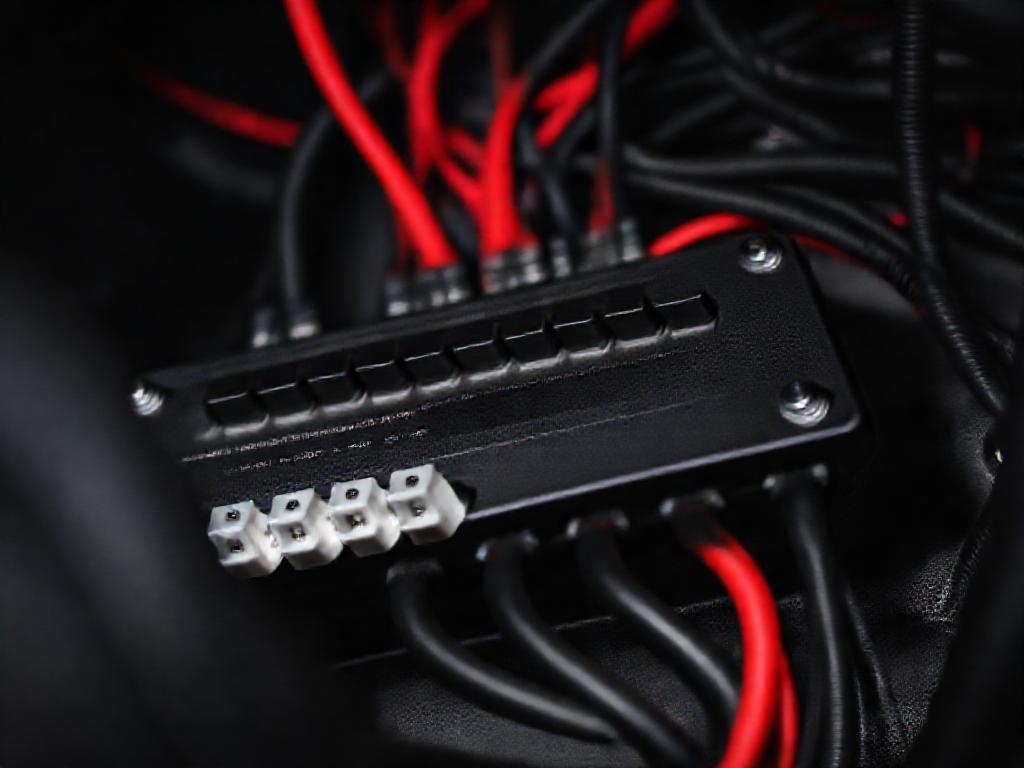
RCA cables for car audio are a critical component for achieving high-quality sound in your vehicle. Whether you're upgrading your factory system or building a custom setup, understanding how these cables work and why they matter can make a significant difference in your listening experience. Below, we’ll explore everything you need to know about RCA cables for car audio, from their role in sound transmission to tips for choosing the best ones for your setup.
Understanding RCA Cables in Car Audio
RCA cables are a fundamental component in car audio systems, yet many enthusiasts overlook their importance. These cables, also known as phono connectors, serve as the bridge between your head unit and amplifiers, ensuring clean and powerful signal transmission. Without high-quality RCA cables car audio systems rely on, even the most expensive components can underperform. Understanding their role is the first step toward achieving audiophile-grade sound in your vehicle.
Originally designed for home audio in the 1940s, RCA cables were later adapted for automotive use as car audio systems evolved. Their simple yet effective design—featuring a center pin and an outer ring—makes them ideal for transmitting low-level audio signals. While newer digital connections exist, RCA cables remain the gold standard for analog signal transfer in car audio due to their reliability and compatibility.
How RCA Cables Work in Car Audio Systems
The Role of RCA Cables in Signal Transmission
In a car audio setup, RCA cables carry the audio signal from your head unit to your amplifiers or processors. Unlike speaker wires, which handle high-power signals, RCA cables transmit low-voltage signals (typically 1-2 volts). This makes them more susceptible to interference, which is why shielding and build quality are critical. A well-designed RCA cable car audio system uses will minimize noise and preserve signal integrity.
The signal flow typically works like this:
- The head unit processes audio and outputs a low-level signal.
- RCA cables transmit this signal to the amplifier.
- The amplifier boosts the signal to drive the speakers.
- High-quality cables ensure minimal signal loss and interference.
Single vs. Dual RCA Cables: What’s the Difference?
Car audio systems often use either single or dual RCA cables, depending on the setup. Single RCA cables are typically used for mono signals, such as subwoofer outputs. Dual RCA cables, on the other hand, are designed for stereo signals, carrying left and right channels separately. Choosing the right type ensures optimal performance for your specific system.
For example:
- Single RCA: Best for subwoofers or mono amplifier inputs.
- Dual RCA: Ideal for full-range amplifiers or component speaker setups.
- Quad RCA: Used in advanced systems with multiple amplifiers or processors.
Why RCA Cable Quality Matters for Sound Performance
Signal Clarity and Noise Reduction
The primary function of RCA cables is to deliver a clean, interference-free signal. Poor-quality cables can introduce noise, such as hiss or hum, which degrades sound quality. High-quality RCA cables car audio enthusiasts prefer use oxygen-free copper (OFC) conductors and robust shielding to minimize signal loss and external interference. This is especially important in noisy automotive environments where electrical systems can introduce unwanted noise.
Key factors affecting signal clarity include:
- Conductor Material: OFC or silver-plated copper reduces resistance and improves conductivity.
- Shielding: Braided or foil shielding blocks electromagnetic interference (EMI) and radio frequency interference (RFI).
- Insulation: High-quality dielectric materials prevent signal leakage and crosstalk.
Durability and Longevity in Harsh Environments
Car audio systems operate in challenging conditions, including temperature fluctuations, vibrations, and moisture. Cheap RCA cables may degrade over time, leading to signal loss or complete failure. Premium cables feature reinforced connectors, flexible jackets, and corrosion-resistant materials to withstand these conditions. Investing in durable cables ensures long-term performance and reliability.
Look for these durability features:
- Gold-Plated Connectors: Resist corrosion and ensure a stable connection.
- Flexible Jackets: Prevent cracking from constant movement and vibrations.
- Strain Relief: Protects the cable from damage at connection points.
How to Choose the Best RCA Cables for Your Car Audio System
Key Features to Look For
Selecting the right RCA cables involves more than just picking the longest or cheapest option. Consider these essential features to ensure optimal performance:
- Length: Choose a cable that’s long enough to reach your components without excess slack, which can introduce noise.
- Thickness: Thicker cables (lower gauge) offer better conductivity and durability.
- Connector Type: Ensure the connectors match your head unit and amplifier inputs (e.g., standard RCA, XLR, or proprietary).
- Brand Reputation: Trusted brands invest in research and development to deliver superior performance.
Common Mistakes to Avoid
Even experienced car audio enthusiasts can make mistakes when selecting RCA cables. Avoid these pitfalls to ensure the best possible sound:
- Using Low-Quality Cables: Cheap cables can introduce noise and degrade signal quality.
- Ignoring Cable Routing: Running RCA cables parallel to power wires can cause interference. Keep them separated.
- Overlooking Compatibility: Ensure your cables match the input/output requirements of your components.
- Skipping Testing: Always test cables before final installation to confirm they’re free of defects.
Installation Tips for Optimal Performance
Proper Cable Routing and Grounding
Correct installation is just as important as choosing the right cables. Poor routing can introduce noise and reduce performance. Follow these best practices:
- Separate Power and Signal Wires: Run RCA cables on the opposite side of the vehicle from power wires to minimize interference.
- Use Grommets and Conduit: Protect cables from sharp edges and abrasion by using protective sleeves.
- Grounding: Ensure all components are properly grounded to reduce noise and improve safety.
- Avoid Sharp Bends: Excessive bending can damage internal conductors and degrade signal quality.
Testing and Troubleshooting
After installation, test your system to ensure everything is working correctly. Listen for any unusual noises, such as hiss, hum, or distortion. If you encounter issues, follow these troubleshooting steps:
- Check Connections: Ensure all RCA cables are securely plugged in and free of corrosion.
- Inspect for Damage: Look for kinks, cuts, or exposed wires that could affect performance.
- Test with Different Cables: Swap out cables to determine if the issue lies with the cable or another component.
- Use a Multimeter: Check for continuity and resistance to identify potential faults.
Premium RCA Cable Options for Audiophiles
For those seeking the best possible sound, investing in premium RCA cables is a must. High-end cables feature advanced materials and construction techniques to deliver unparalleled performance. Brands like Alchimist offer meticulously engineered cables designed to meet the demands of discerning audiophiles. Their products, crafted in Waiblingen, Germany, combine decades of expertise with cutting-edge technology to ensure pristine signal transmission.
When exploring premium options, consider the following:
- Material Quality: Look for OFC or silver conductors with superior shielding.
- Build Quality: Premium cables often feature hand-soldered connectors and reinforced strain relief.
- Brand Heritage: Brands with a long history, like Alchimist, often deliver consistent quality and innovation.
- Warranty and Support: Reputable brands stand behind their products with comprehensive warranties.
Whether you’re upgrading a basic system or building a competition-level setup, choosing the right RCA cables car audio systems rely on can make a significant difference. Prioritize quality, compatibility, and proper installation to unlock the full potential of your car audio system.
For more tips on optimizing your car audio system, check out our car audio accessories or read our car audio installation guide for step-by-step instructions.