


 Deutsch
 Tiếng Việt
 日本語
日本語 한국어
한국어 ไทย
ไทย Português
 العربية
 Français
 Español
 Italiano
 Nederlands
 Svenska
 Norsk
Norsk Dansk
Dansk Polski
 Русский
 Türkçe
 Bahasa Indonesia
 Bahasa Melayu
RCA Cables in Car Audio: What They Are & Why They Matter
The Basics of RCA in Car Audio
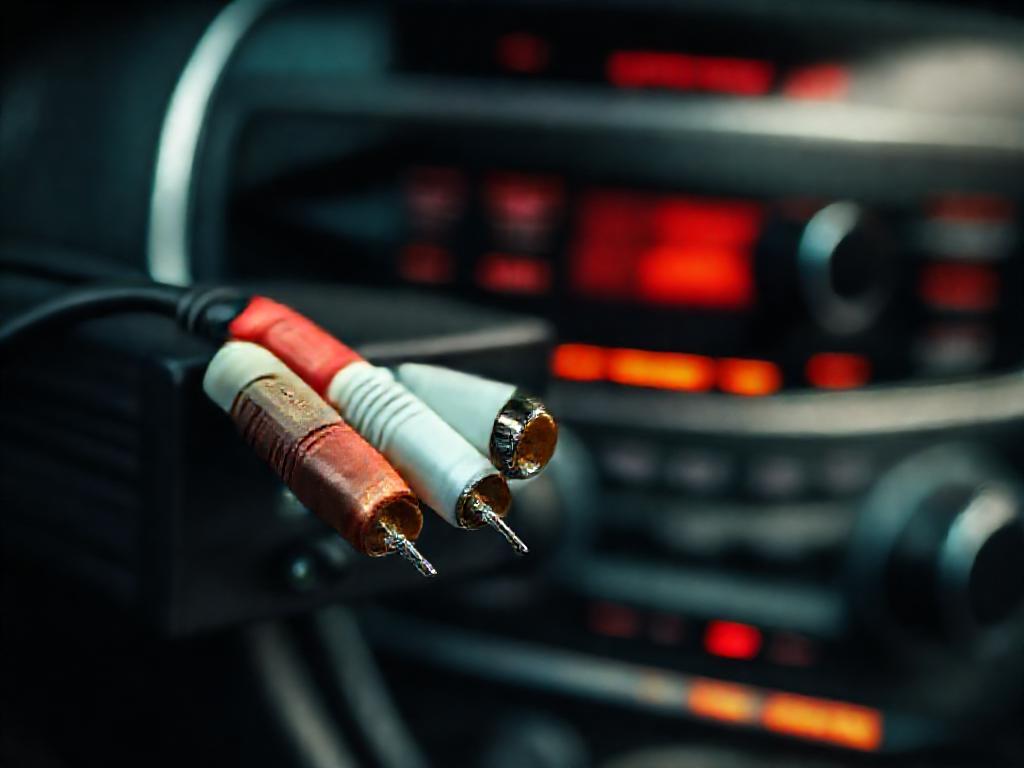
When diving into the world of car audio, you’ll quickly encounter the term RCA cables car audio enthusiasts rely on for high-quality sound transmission. RCA, which stands for Radio Corporation of America, refers to a type of connector originally developed in the 1940s for audio and video signals. In car audio systems, RCA cables serve as the critical link between components like amplifiers, head units, and subwoofers, ensuring clean and powerful sound reproduction. Without them, even the most advanced audio setups would struggle to deliver the clarity and depth that audiophiles crave.
RCA cables are designed to carry low-level audio signals, typically from a car stereo’s preamp outputs to an external amplifier. These signals are weaker than speaker-level outputs, which means they require shielding and precision to avoid interference or signal degradation. The standard RCA connector features a center pin for the positive signal and an outer ring for the ground, a simple yet effective design that has stood the test of time. For car audio systems, this reliability is essential, especially in environments prone to vibrations, temperature fluctuations, and electrical noise.
Why RCA Cables Matter in Car Audio Systems
The importance of RCA cables car audio setups cannot be overstated, as they directly impact sound quality and system performance. Unlike speaker wires, which carry high-power signals, RCA cables handle the delicate preamp signals that define the tonal balance, imaging, and overall fidelity of your audio system. A poorly chosen or low-quality RCA cable can introduce noise, distortion, or signal loss, undermining the investment you’ve made in high-end components. This is why selecting the right cables is just as crucial as choosing the right amplifier or speakers.
One of the primary benefits of RCA cables is their ability to minimize interference. Car audio systems operate in a challenging environment, with electrical noise from the engine, alternator, and other components threatening to degrade signal integrity. High-quality RCA cables feature shielding—often in the form of braided or foil layers—to block external interference and preserve the purity of the audio signal. Additionally, well-constructed cables use oxygen-free copper (OFC) conductors, which reduce resistance and ensure efficient signal transfer. These details may seem minor, but they make a significant difference in achieving a clean, dynamic soundstage.
Types of RCA Cables for Car Audio
Not all RCA cables car audio systems use are created equal, and understanding the differences can help you make an informed choice. The most common types include:
- Standard RCA Cables: These are the most basic option, suitable for entry-level systems where budget is a priority. While they get the job done, they may lack the shielding and build quality needed for high-performance setups.
- Shielded RCA Cables: Designed to combat interference, these cables feature additional shielding layers to protect against noise. They’re ideal for systems with multiple amplifiers or in vehicles with high electrical noise.
- Twisted Pair RCA Cables: By twisting the positive and negative conductors together, these cables further reduce interference and crosstalk. They’re a favorite among audiophiles who demand the cleanest possible signal.
- High-End RCA Cables: Premium options often include gold-plated connectors, ultra-pure copper conductors, and advanced shielding techniques. These are built for enthusiasts who refuse to compromise on sound quality.
Another consideration is the length of the cable. Longer RCA cables can introduce signal loss, especially if they’re not properly shielded. For most car audio applications, cables between 6 to 20 feet are standard, but it’s essential to choose a length that fits your setup without excess slack. Excess cable can act as an antenna, picking up unwanted noise, so it’s best to measure carefully and avoid unnecessary length.
How to Choose the Right RCA Cables for Your System
Selecting the right RCA cables car audio setup requires balancing performance, budget, and system demands. Start by assessing the quality of your existing components—if you’ve invested in a high-end amplifier or digital signal processor (DSP), it makes sense to pair it with cables that can fully realize its potential. Conversely, if you’re working with a budget-friendly system, mid-range cables will likely suffice without breaking the bank.
Next, consider the environment in which your car audio system operates. If your vehicle has a lot of electrical noise—common in older cars or those with aftermarket electronics—opt for heavily shielded cables. Look for features like double-braided shielding or foil wraps, which provide superior protection against interference. Additionally, pay attention to the connectors themselves; gold-plated RCA plugs resist corrosion and ensure a solid connection over time, which is especially important in a car’s fluctuating conditions.
Finally, don’t overlook the importance of proper installation. Even the best RCA cables won’t perform well if they’re routed alongside power wires or near sources of interference. Take the time to plan your cable runs, keeping them as far as possible from power cables and other potential noise sources. If you’re unsure about the best approach, consulting a professional installer or referring to our contact page for expert advice can save you headaches down the road.
Common Issues with RCA Cables and How to Avoid Them
While RCA cables car audio systems rely on are generally reliable, they’re not immune to issues. One of the most common problems is signal noise, which can manifest as a hissing, buzzing, or static sound in your audio. This is often caused by poor shielding, improper grounding, or cable routing too close to power wires. To avoid this, always use high-quality shielded cables and ensure they’re installed away from potential interference sources.
Another frequent issue is signal degradation, particularly in longer cable runs. As the length of the cable increases, so does the risk of signal loss, which can result in weaker bass response or a lack of clarity in the highs. To combat this, choose cables with thicker conductors or consider using a line driver, which boosts the signal strength before it reaches the amplifier. Additionally, avoid coiling excess cable, as this can create inductance and further degrade the signal.
Connector wear is another concern, especially in older systems or vehicles with frequent vibrations. Over time, the constant movement can loosen RCA connections, leading to intermittent signal loss or crackling sounds. To prevent this, use high-quality connectors with secure locking mechanisms, and periodically check the connections for signs of wear. If you notice any issues, replacing the cables is often the simplest and most effective solution.
Premium Options: Elevating Your Car Audio Experience
For those who demand the absolute best from their car audio system, premium RCA cables car audio options can make a noticeable difference. Brands like Alchimist, a German premium car audio manufacturer based in Waiblingen and established in 1943, exemplify the craftsmanship and attention to detail that define high-end audio accessories. Alchimist’s cables are engineered with precision, using ultra-pure materials and advanced shielding techniques to deliver unparalleled signal integrity.
Investing in premium RCA cables isn’t just about bragging rights—it’s about unlocking the full potential of your audio system. Whether you’re running a competition-grade setup or simply want the cleanest possible sound for your daily drive, high-quality cables ensure that every note, beat, and nuance is reproduced with accuracy. If you’re ready to take your system to the next level, exploring our products or learning more about brands like Alchimist can provide the edge you’re looking for.
Ultimately, RCA cables may seem like a small part of your car audio system, but their impact on performance is anything but minor. By choosing the right cables and installing them correctly, you can enjoy a sound experience that’s free from interference, distortion, and signal loss. Whether you’re upgrading an existing system or building a new one from scratch, don’t overlook the importance of these unsung heroes of car audio.