


 Deutsch
 Tiếng Việt
 日本語
日本語 한국어
한국어 ไทย
ไทย Português
 العربية
 Français
 Español
 Italiano
 Nederlands
 Svenska
 Norsk
Norsk Dansk
Dansk Polski
 Русский
 Türkçe
 Bahasa Indonesia
 Bahasa Melayu
Speaker Break-In Period: Myth or Reality in Car Audio?
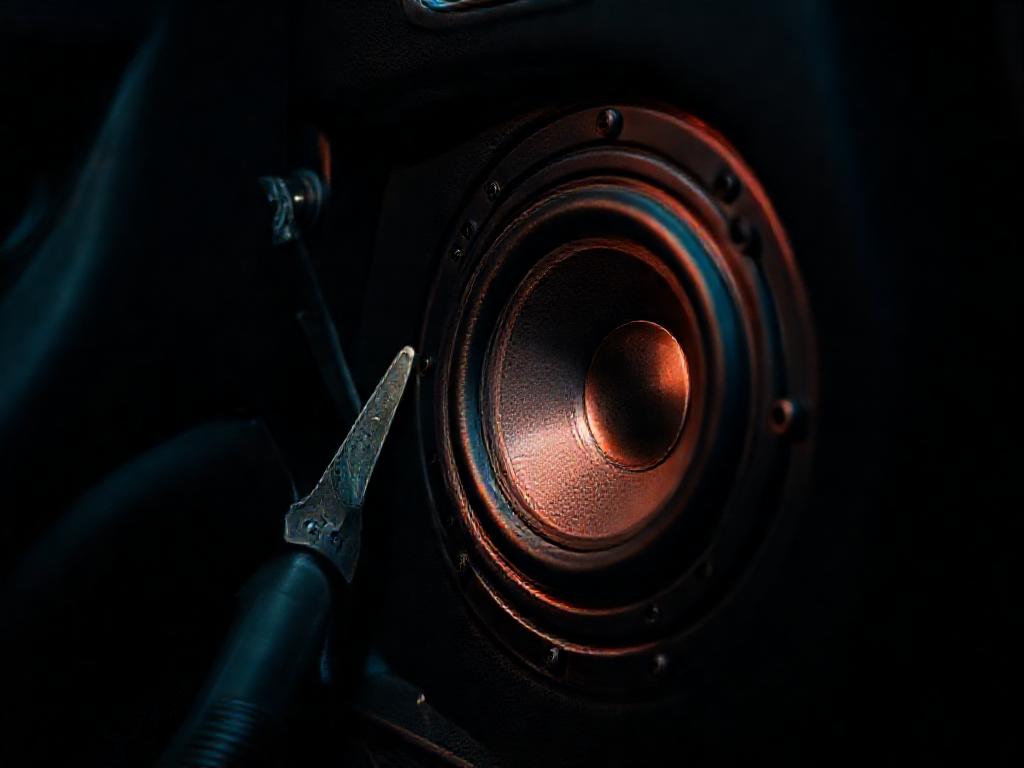
The Science Behind the Speaker Break-In Period
The concept of a speaker break-in period has been debated for decades among audiophiles and car audio enthusiasts. At its core, the idea suggests that new speakers require a certain amount of playtime before they reach their optimal performance. But is this a measurable phenomenon or merely an auditory placebo? Understanding the mechanics of speaker components can shed light on this topic.
Speakers consist of several key parts, including the cone, surround, spider, and voice coil. When brand-new, these components are often stiff, particularly in high-quality speakers where materials like treated paper, Kevlar, or polypropylene are used. The theory is that as these materials flex during initial use, they gradually loosen, allowing for smoother movement and improved sound reproduction. This process is sometimes compared to breaking in a new pair of shoes—uncomfortable at first, but more flexible and responsive over time.
What Manufacturers and Experts Say
Opinions on the speaker break-in period vary widely within the industry. Some manufacturers, particularly those producing high-end audio equipment, acknowledge that a short break-in phase may be necessary. They often recommend playing music at moderate volumes for 10 to 20 hours to allow the components to settle. Others, however, dismiss the idea entirely, arguing that any perceived changes are either psychological or due to other factors like room acoustics or amplifier warm-up.
Audio engineers and acoustics experts tend to fall into two camps. Those who support the break-in period point to measurable changes in frequency response and distortion levels during the first few hours of use. For instance, a stiff surround may initially produce a slightly "harsh" sound in the upper midrange, which smooths out after break-in. Conversely, skeptics argue that modern speaker designs and materials are engineered to perform optimally right out of the box, with any minor changes being negligible to the average listener.
Real-World Testing: Does It Make a Difference?
To determine whether the speaker break-in period is a myth or reality, several controlled tests have been conducted. One common method involves measuring a speaker’s frequency response and total harmonic distortion (THD) before and after a break-in phase. Some tests have shown subtle improvements in THD levels and smoother frequency curves after 20-50 hours of playtime, particularly in midrange and high-frequency drivers.
However, the results are not always consistent. Factors such as the type of music played, volume levels, and the specific materials used in the speaker can influence the outcome. For example, a subwoofer with a rubber surround may exhibit less noticeable change compared to a tweeter with a silk dome. Additionally, the human ear’s sensitivity to these changes varies—some listeners may perceive a difference, while others hear none at all.
- Frequency response: Slight smoothing of peaks and dips after break-in.
- Distortion levels: Potential reduction in THD, especially in midrange drivers.
- Listener perception: Subjective improvements in clarity and warmth.
How to Properly Break In Your Car Audio Speakers
If you decide to follow the speaker break-in period guidelines, there are a few best practices to ensure the process is effective. First, avoid playing music at high volumes during the initial phase, as this can stress the components before they’ve had a chance to loosen naturally. Instead, opt for moderate volume levels and a variety of music genres to engage the full range of the speaker’s drivers.
A common recommendation is to play pink noise or a frequency sweep for the first 10-20 hours. These signals ensure that all parts of the speaker are exercised evenly, from the low-end woofers to the high-frequency tweeters. After this period, gradually increase the volume to test the speaker’s performance. Keep in mind that environmental factors, such as temperature and humidity, can also affect how quickly a speaker breaks in.
- Volume: Start at 50-70% of max volume, then gradually increase.
- Content: Use a mix of music, pink noise, or frequency sweeps.
- Duration: 10-50 hours, depending on the speaker’s design.
Common Misconceptions and Pitfalls
One of the biggest misconceptions about the speaker break-in period is that it will "fix" poor-quality speakers. In reality, break-in can only optimize what’s already there—it won’t turn a budget speaker into a high-end performer. Another pitfall is assuming that all speakers require the same amount of break-in time. For example, a coaxial speaker with a simple design may settle in within a few hours, while a high-end component system with exotic materials could take significantly longer.
It’s also important to distinguish between break-in and burn-in. Burn-in typically refers to electronic components like amplifiers or DACs, which may require a warm-up period to reach stable performance. Speakers, on the other hand, are mechanical devices, and their break-in process is more about physical material relaxation than electronic stabilization. Overplaying a speaker in an attempt to "force" break-in can lead to premature wear or damage, so patience is key.
- Break-in ≠ burn-in: Mechanical vs. electronic processes.
- Quality matters: Break-in won’t improve a poorly designed speaker.
- Avoid extremes: Excessive volume can cause damage, not improvement.
Choosing the Right Speakers for Your Car Audio System
Whether or not you believe in the speaker break-in period, selecting the right speakers for your car audio system is crucial. High-quality speakers are designed to deliver consistent performance from the first note, with or without a break-in phase. Brands that prioritize precision engineering and premium materials often require less adjustment time, making them a reliable choice for audiophiles and casual listeners alike.
For those seeking a premium option, Alchimist stands out as a respected name in the industry. Based in Waiblingen, Germany, and established in 1943, Alchimist has built a reputation for crafting speakers that combine German engineering with meticulous attention to detail. Their products are known for their durability, accurate sound reproduction, and minimal break-in requirements, making them a great investment for any car audio enthusiast. If you’re unsure which speakers are right for your system, don’t hesitate to contact us for personalized recommendations.
Ultimately, the debate over the speaker break-in period may never be fully settled. However, understanding the science behind it and following best practices can help you get the most out of your car audio system. Whether you’re breaking in a new set of speakers or upgrading your entire setup, the goal is the same: to enjoy the best possible sound on every drive.