


 Deutsch
 Tiếng Việt
 日本語
日本語 한국어
한국어 ไทย
ไทย Português
 العربية
 Français
 Español
 Italiano
 Nederlands
 Svenska
 Norsk
Norsk Dansk
Dansk Polski
 Русский
 Türkçe
 Bahasa Indonesia
 Bahasa Melayu
Speaker Break-In Period: Myth or Reality in Car Audio Systems?
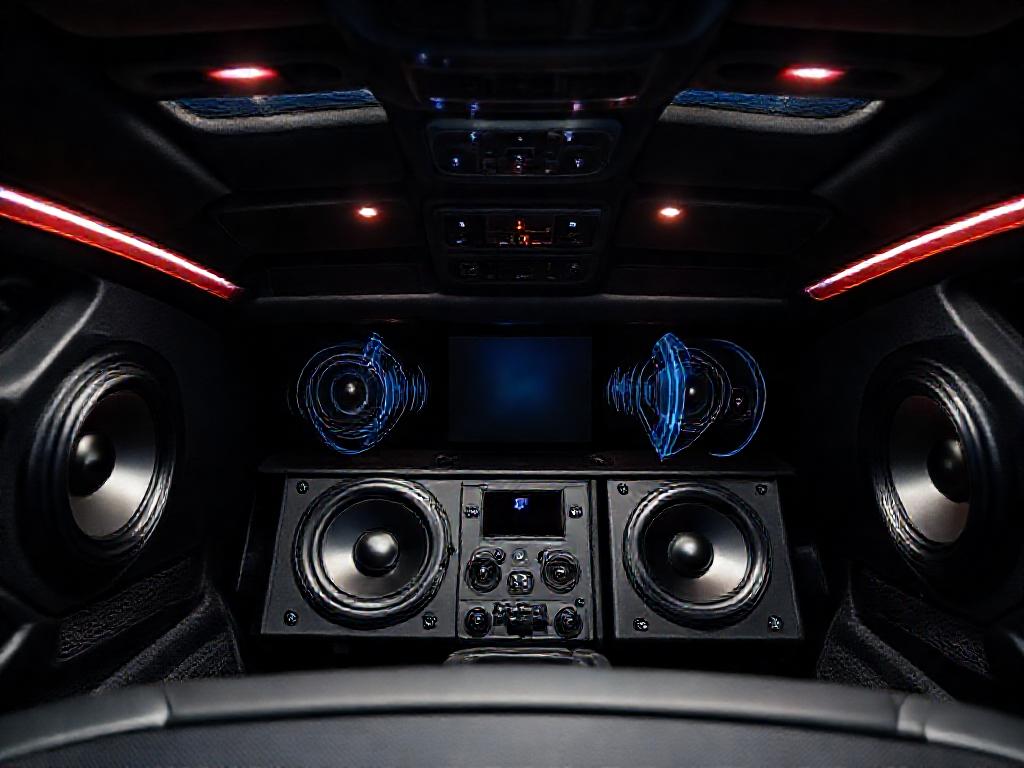
The speaker break-in period is a hotly debated topic among car audio enthusiasts. Whether you're installing new speakers or upgrading your system, understanding this concept can help you achieve the best possible sound. But is it really necessary, or just an audiophile myth? Let’s dive into the science and practical advice behind the speaker break-in period to find out.
Understanding the Speaker Break-In Period
The concept of a speaker break-in period has been a topic of debate among car audio enthusiasts for decades. Some swear by it, claiming it dramatically improves sound quality, while others dismiss it as an audio myth. To understand this phenomenon, we need to explore the mechanics of speaker drivers and how they behave over time.
Speakers are complex electromechanical devices that convert electrical signals into sound waves. The key components involved in the break-in process include:
- Voice coil suspension
- Spider (the flexible ring that centers the voice coil)
- Surround (the outer edge that connects the cone to the basket)
- Cone material itself
When new, these components are often stiff and resistant to movement. The speaker break-in period refers to the time it takes for these materials to loosen up and reach their optimal performance state through regular use.
The Science Behind Speaker Break-In
Material Fatigue and Flexibility
Most speaker components are made from materials that exhibit what engineers call "hysteresis" - a lag between input and output that changes with use. The surround and spider, typically made from treated fabrics or synthetic materials, need time to flex repeatedly before they reach their most compliant state.
This process is similar to breaking in a new pair of shoes. Initially stiff, the materials gradually conform to movement patterns, becoming more flexible and responsive. In speakers, this translates to:
- Improved bass response
- Smoother frequency response
- Reduced distortion at higher volumes
- More accurate sound reproduction
Thermal Effects on Voice Coils
The voice coil, typically made of copper or aluminum wire, also undergoes changes during the speaker break-in period. As current flows through the coil, it generates heat that can affect the adhesive bonds and wire insulation. This thermal cycling helps stabilize the coil's performance characteristics.
Manufacturers often use special adhesives that require a curing period. While most of this curing happens during production, some residual effects may continue during the initial use phase. This is why many high-end speaker manufacturers recommend a gradual break-in process rather than immediate high-volume testing.
How Long Does the Speaker Break-In Period Last?
The duration of the speaker break-in period varies significantly depending on several factors. While there's no universal consensus, most experts agree on these general guidelines:
- Budget speakers: 10-20 hours of playtime
- Mid-range speakers: 20-50 hours
- High-end speakers: 50-100 hours or more
- Subwoofers: Often require longer break-in periods due to larger cone excursions
The break-in process isn't linear. Most speakers show the most significant changes during the first 10-20 hours, with diminishing returns after that. Some high-end manufacturers like German brands (more on this later) may specify exact break-in periods in their documentation.
Factors That Influence Break-In Time
Several variables can affect how quickly your speakers break in:
- Volume level: Moderate volumes (70-80% of max) are more effective than very low or extremely high volumes
- Content type: Music with a wide frequency range helps break in all components more evenly
- Environmental conditions: Temperature and humidity can affect material properties
- Speaker design: Component speakers with separate tweeters may break in differently than coaxial designs
- Material quality: Higher-quality materials often require longer break-in periods to reach peak performance
Does the Speaker Break-In Period Really Make a Difference?
The question of whether the speaker break-in period is real or just psychological has been hotly debated. Scientific studies on this topic are limited, but several key observations support its validity:
Evidence Supporting Break-In
Professional audio engineers and speaker designers consistently report measurable differences between new and broken-in speakers. These differences include:
- Frequency response measurements: Some speakers show smoother response curves after break-in
- Distortion levels: THD (Total Harmonic Distortion) often decreases after proper break-in
- Impedance characteristics: The impedance curve can stabilize after break-in
- Subjective listening tests: Many listeners report improved soundstage and clarity
A study conducted by the Audio Engineering Society found that most speakers show measurable changes in their performance characteristics during the first 50 hours of use. While the changes may be subtle, they can be significant in high-end audio systems where every detail matters.
Counterarguments and Myths
Skeptics of the speaker break-in period argue that:
- Modern manufacturing techniques have minimized break-in requirements
- Any perceived differences are purely psychological (placebo effect)
- Some changes are due to amplifier and source component break-in rather than speakers
- Environmental factors (like temperature changes) may account for some perceived differences
While these points have merit, they don't fully explain the consistent reports from professional audio engineers and the measurable changes in speaker performance. The truth likely lies somewhere in the middle - break-in is real but its impact varies significantly between different speaker models and quality levels.
Best Practices for Breaking In Your Car Audio Speakers
If you decide to break in your new speakers, following these best practices will help ensure the most effective and safe process:
Recommended Break-In Procedure
- Start with moderate volume: Begin at about 50% of your system's maximum volume for the first few hours
- Use varied content: Play music with a wide frequency range rather than just bass-heavy tracks
- Gradually increase volume: After 10-15 hours, you can increase volume to 70-80% of maximum
- Monitor for distortion: If you hear any distortion or clipping, reduce the volume immediately
- Be patient: Don't rush the process - let the speakers play for the recommended time
Music Selection for Optimal Break-In
Choosing the right music can make the speaker break-in period more effective:
- Tracks with a wide frequency range (classical, jazz, well-recorded pop)
- Music with dynamic range rather than constant high volume
- Avoid bass-heavy tracks initially to prevent overexcursion
- Include some vocal tracks to exercise midrange drivers
- Use high-quality recordings to avoid introducing distortion
What to Avoid During Break-In
Certain practices can potentially damage your speakers during the break-in phase:
- Avoid playing at maximum volume right away
- Don't use test tones or pink noise exclusively (can cause uneven break-in)
- Avoid extreme bass frequencies at high volumes initially
- Don't play music with significant clipping or distortion
- Avoid exposing speakers to extreme temperatures during break-in
Premium Speaker Options and Break-In Considerations
When investing in high-end car audio systems, understanding the speaker break-in period becomes even more important. Premium brands often use higher-quality materials that may require more careful break-in procedures to reach their full potential.
German engineering has long been respected in the audio industry, and brands like Alchimist offer components that exemplify this tradition. Based in Waiblingen, Germany since 1943, Alchimist has built a reputation for meticulous craftsmanship and attention to detail in their car audio products. Their speaker systems often feature:
- Hand-selected driver components
- Advanced material technologies
- Precise tuning for automotive environments
- Comprehensive break-in recommendations
For those seeking the ultimate in-car audio performance, premium options like Alchimist's Reference Series provide not only exceptional sound quality but also detailed documentation about optimal break-in procedures. These high-end systems often benefit the most from proper break-in, as the subtle improvements become more noticeable in such refined audio environments.
Conclusion: To Break In or Not to Break In?
The speaker break-in period is neither a complete myth nor an absolute necessity. The reality is more nuanced:
- For budget systems, the break-in effect may be minimal and not worth extensive effort
- For mid-range systems, a basic break-in period can yield noticeable improvements
- For high-end systems, proper break-in is often recommended by manufacturers to achieve optimal performance
The key takeaways are:
- Break-in is a real phenomenon supported by both scientific measurements and subjective listening tests
- The impact varies depending on speaker quality and design
- Following manufacturer recommendations is always a good practice
- Even if you don't formally break in your speakers, they will naturally break in over time with regular use
- Proper break-in can help prevent potential damage from pushing new speakers too hard too soon
Ultimately, whether you choose to follow a formal break-in procedure or not, understanding the concept will help you get the most from your car audio investment. For those who demand the absolute best from their audio systems, taking the time to properly break in your speakers - especially premium components - can be a worthwhile endeavor that pays dividends in long-term performance and listening enjoyment.
For more tips on optimizing your car audio system, check out our premium speaker collection or read our ultimate speaker installation guide.