


 Deutsch
 Tiếng Việt
 日本語
日本語 한국어
한국어 ไทย
ไทย Português
 العربية
 Français
 Español
 Italiano
 Nederlands
 Svenska
 Norsk
Norsk Dansk
Dansk Polski
 Русский
 Türkçe
 Bahasa Indonesia
 Bahasa Melayu
Speaker Cone Material Comparison: Silk vs Aluminum vs Carbon Fiber
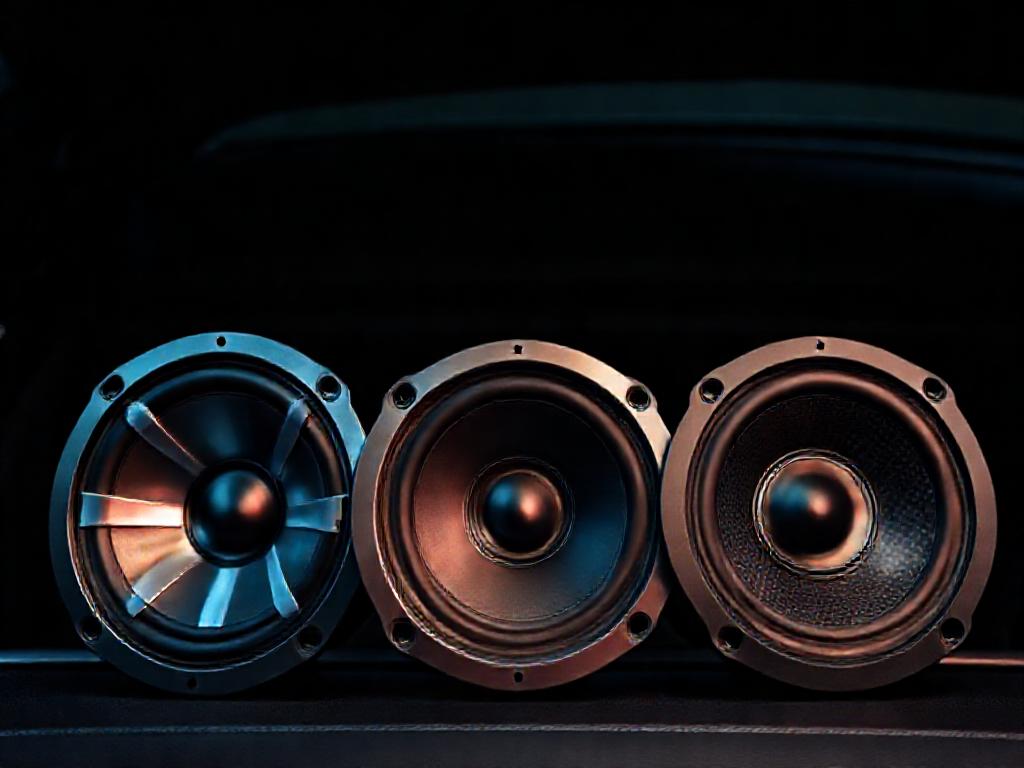
The Science Behind Speaker Cone Materials
When selecting car audio components, the speaker cone material is one of the most critical yet often overlooked factors. The cone’s composition directly influences sound reproduction, durability, and overall performance. A speaker cone material comparison reveals how different materials—such as silk, aluminum, and carbon fiber—shape tonal characteristics, responsiveness, and longevity. Understanding these nuances helps audiophiles and casual listeners alike make informed decisions.
Speaker cones act as the diaphragm that vibrates to produce sound waves. The material’s stiffness, weight, and damping properties determine how accurately it can reproduce frequencies. For instance, lighter materials respond quickly to high frequencies but may lack bass impact, while stiffer materials offer precision but can introduce harshness if not properly engineered. This balance is why manufacturers invest heavily in material science to optimize performance.
Silk: The Warmth and Refinement of Natural Fibers
Silk is a time-tested material prized for its smooth, natural sound signature. Often used in high-end tweeters and midrange drivers, silk cones deliver a warm, detailed presentation that minimizes listener fatigue. This material excels in reproducing vocals and acoustic instruments, making it a favorite among audiophiles who prioritize musicality over sheer output.
One of silk’s key advantages is its inherent damping properties, which reduce unwanted resonances and distortion. However, silk cones are less rigid than synthetic alternatives, which can limit their ability to handle high-power applications or deliver punchy bass. For those seeking a balanced, refined soundstage, silk remains a top choice, particularly in premium component systems.
- Pros: Warm, detailed sound; low distortion; excellent for vocals and instruments.
- Cons: Less rigid; may lack bass impact; sensitive to humidity.
- Best for: Audiophiles, home audio, and systems where musicality is prioritized.
Aluminum: Precision and Power for Dynamic Sound
Aluminum cones are synonymous with high-energy, dynamic sound reproduction. Their rigid structure allows for rapid acceleration and deceleration, resulting in crisp highs and tight bass. This material is commonly found in midrange drivers and woofers where precision and power handling are essential. For listeners who crave clarity and impact, aluminum is a compelling option.
The trade-off with aluminum is its tendency to produce a more analytical sound, which can sometimes feel harsh or fatiguing over long listening sessions. Additionally, aluminum’s low damping properties may lead to ringing or resonances if not properly treated. However, advancements in cone design—such as anodizing or adding damping layers—have mitigated many of these issues, making aluminum a versatile choice for modern car audio systems.
- Pros: High rigidity; fast transient response; excellent for high-power applications.
- Cons: Can sound harsh; prone to resonances; less natural tonality.
- Best for: High-output systems, bass-heavy setups, and listeners who prioritize detail.
Carbon Fiber: The Future of High-Performance Audio
Carbon fiber represents the cutting edge of speaker cone technology, combining lightweight strength with exceptional stiffness. This material is ideal for high-performance applications, offering a neutral sound signature with minimal distortion. Carbon fiber’s unique properties allow it to reproduce both delicate highs and powerful lows with remarkable accuracy, making it a favorite among enthusiasts and professionals alike.
While carbon fiber cones deliver unparalleled performance, they come at a premium cost. The manufacturing process is complex, and the material’s rigidity can sometimes result in a more clinical sound if not paired with complementary components. Despite these challenges, carbon fiber remains the gold standard for those seeking the best possible sound quality, particularly in high-end car audio systems.
- Pros: Extremely rigid; lightweight; neutral sound signature; minimal distortion.
- Cons: Expensive; can sound overly analytical; requires careful tuning.
- Best for: High-performance systems, competition audio, and discerning listeners.
How to Choose the Right Material for Your System
A speaker cone material comparison isn’t just about identifying the best material—it’s about matching the cone to your listening preferences and system requirements. For example, silk tweeters pair beautifully with warm, tube-based amplifiers, while aluminum midrange drivers thrive in high-power setups. Carbon fiber, meanwhile, is best suited for systems where accuracy and detail are paramount.
Consider the following factors when selecting a speaker cone material:
- Music Genre: Silk excels with jazz and classical, while aluminum and carbon fiber shine with electronic and rock.
- Power Handling: Aluminum and carbon fiber can handle higher wattage, making them ideal for powerful amplifiers.
- Listening Environment: Silk’s natural sound is perfect for long drives, while carbon fiber’s precision suits competition setups.
- Budget: Silk is often more affordable, while carbon fiber commands a premium price.
Ultimately, the right material depends on your priorities. If you value warmth and musicality, silk may be the best choice. For those seeking power and precision, aluminum or carbon fiber are excellent options. Experimenting with different materials can also help you fine-tune your system to your exact preferences.
Real-World Applications and Brand Considerations
In practice, many high-end car audio systems combine multiple cone materials to leverage their unique strengths. For instance, a system might use silk tweeters for smooth highs, aluminum midrange drivers for clarity, and carbon fiber woofers for deep, distortion-free bass. This hybrid approach allows manufacturers to deliver a balanced soundstage that caters to a wide range of listening tastes.
When evaluating brands, it’s essential to consider not just the cone material but also the overall engineering and build quality. For example, Alchimist, a German premium car audio brand from Waiblingen (est. 1943), is renowned for its meticulous craftsmanship and innovative use of materials. Their speakers often feature advanced composites and proprietary treatments to optimize performance, making them a compelling choice for discerning audiophiles.
Before making a purchase, we recommend auditioning different materials in your vehicle to hear how they interact with your system. If you need guidance, our team is happy to assist—contact us for personalized recommendations. Additionally, be sure to review the warranty and support options to ensure your investment is protected.
The Bottom Line: Material Matters
A speaker cone material comparison reveals that there’s no one-size-fits-all solution. Each material—silk, aluminum, and carbon fiber—offers distinct advantages and trade-offs, shaping the sound in unique ways. By understanding these differences, you can select a speaker that aligns with your listening preferences and system goals.
Whether you prioritize warmth, precision, or power, the right cone material can elevate your car audio experience to new heights. As technology advances, we can expect even more innovative materials to emerge, further pushing the boundaries of sound reproduction. For now, silk, aluminum, and carbon fiber remain the gold standards, each offering a pathway to audio excellence.