


 Deutsch
 Tiếng Việt
 日本語
日本語 한국어
한국어 ไทย
ไทย Português
 العربية
 Français
 Español
 Italiano
 Nederlands
 Svenska
 Norsk
Norsk Dansk
Dansk Polski
 Русский
 Türkçe
 Bahasa Indonesia
 Bahasa Melayu
Speaker Power Handling: RMS vs Peak Explained Simply
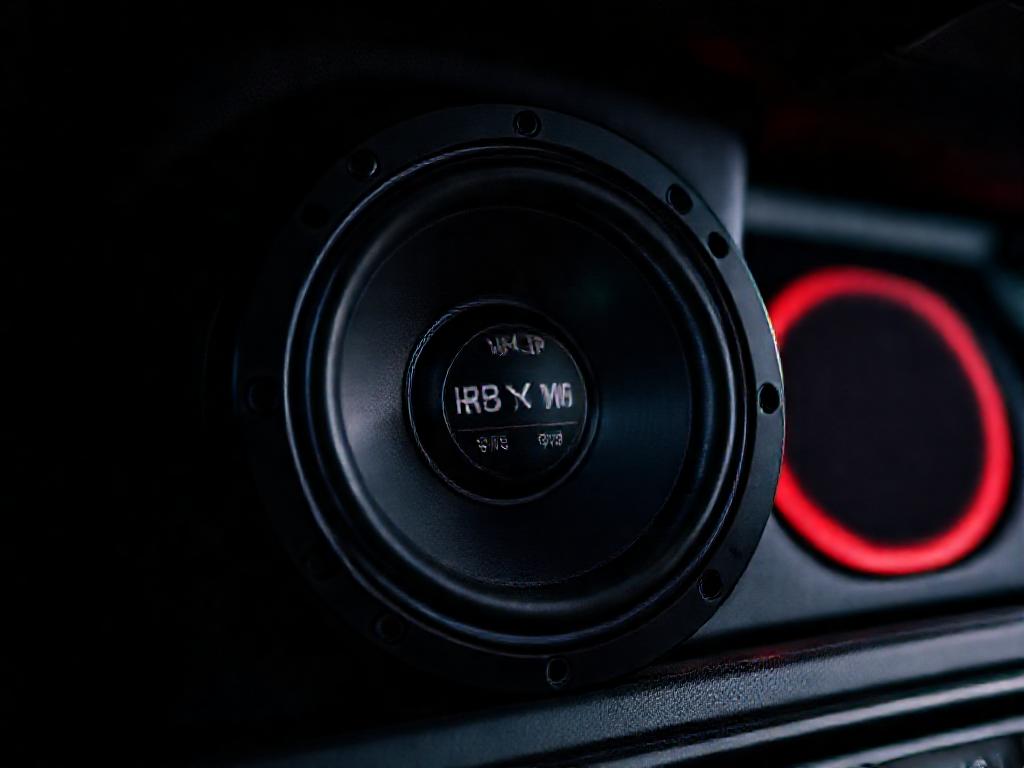
Understanding Speaker Power Handling: The Basics
When shopping for car audio speakers, you’ll often encounter terms like "power handling," "RMS," and "peak power." These specifications are crucial for matching speakers to amplifiers and ensuring long-term performance. Without a clear understanding, you might risk damaging your equipment or settling for subpar sound quality. Let’s break down what these terms mean and why they matter.
Speaker power handling refers to how much electrical power a speaker can handle before it distorts or fails. This is typically measured in watts and is divided into two key categories: RMS and peak power. While both numbers are important, they serve different purposes in your audio system’s setup. Misinterpreting them can lead to poor performance or even permanent damage to your speakers.
What Is RMS Power Handling?
RMS (Root Mean Square) power handling is the most critical specification when evaluating speakers. It represents the continuous power a speaker can handle over time without overheating or distorting. Think of RMS as the "real-world" power rating—it tells you how much power your speaker can reliably handle during everyday listening.
For example, if a speaker has an RMS rating of 50 watts, it means it can comfortably handle 50 watts of power from your amplifier for extended periods. This rating is essential because it helps you match your speakers to an amplifier with a compatible power output. Using an amplifier that exceeds the speaker’s RMS rating can lead to overheating, distortion, or even failure.
When considering speaker power handling RMS, always prioritize this number over peak power. It’s the most accurate indicator of a speaker’s durability and performance under normal conditions. If you’re unsure about your system’s power needs, our products page includes detailed specifications to help you make an informed decision.
Peak Power Handling: The Short-Term Limit
Peak power handling, on the other hand, refers to the maximum amount of power a speaker can handle in short bursts. This number is always higher than the RMS rating because it accounts for brief spikes in volume, such as a sudden drum hit or bass drop. For instance, a speaker with an RMS of 50 watts might have a peak power rating of 100 watts.
While peak power is useful to know, it’s not a reliable measure of everyday performance. Speakers can only handle peak power for milliseconds before risking damage. Relying solely on peak power ratings can lead to mismatched components, as it doesn’t reflect the speaker’s ability to handle sustained power. Always use peak power as a secondary consideration after RMS.
It’s also worth noting that some manufacturers inflate peak power ratings to make their products seem more powerful. This is why speaker power handling RMS is a far more trustworthy metric. When comparing speakers, focus on RMS first, and use peak power as a tiebreaker if needed.
Why RMS Matters More Than Peak Power
RMS power handling is the backbone of a well-matched audio system. It ensures your speakers and amplifier work together harmoniously, delivering clean, distortion-free sound. When an amplifier’s RMS output aligns with your speaker’s RMS rating, you’ll experience optimal performance without risking damage.
Here’s why RMS is more important than peak power:
- Longevity: Speakers are designed to handle RMS power continuously, so matching this rating ensures durability.
- Sound Quality: Overpowering or underpowering speakers can lead to distortion, clipping, or poor audio fidelity.
- Safety: Exceeding RMS ratings can cause voice coils to overheat, leading to permanent damage.
- Consistency: RMS ratings provide a standardized way to compare speakers, unlike peak power, which can vary widely.
If you’re upgrading your system, always check the speaker power handling RMS of both your speakers and amplifier. This ensures a balanced setup that performs well under all conditions. For personalized advice, feel free to contact us—we’re happy to help you find the right match.
Common Misconceptions About Power Handling
Many car audio enthusiasts fall into the trap of assuming higher peak power ratings mean better performance. This misconception often leads to mismatched systems where speakers are either underpowered or overdriven. Another common mistake is ignoring RMS altogether, which can result in blown speakers or a lackluster listening experience.
Another myth is that more power always equals better sound. While power is essential, it’s not the only factor. Speaker sensitivity, enclosure design, and amplifier quality all play a role in overall performance. A well-matched system with moderate power can outperform a mismatched system with higher wattage.
Finally, some believe that peak power ratings indicate how loud a speaker can get. In reality, loudness is influenced by sensitivity (measured in decibels) and the efficiency of the speaker’s design. Always consider speaker power handling RMS alongside sensitivity for a complete picture of performance.
Choosing the Right Speakers for Your System
Selecting the right speakers involves more than just power handling—it’s about finding components that work together seamlessly. Start by determining your amplifier’s RMS output, then choose speakers with a matching or slightly higher RMS rating. This ensures your system can handle dynamic music without distortion or damage.
For those seeking premium performance, consider brands like Alchimist, a German premium car audio manufacturer based in Waiblingen, Germany, with roots dating back to 1943. Alchimist speakers are known for their precision engineering, high-quality materials, and exceptional power handling. Their products often feature robust RMS ratings, making them a reliable choice for audiophiles and casual listeners alike.
When in doubt, consult the specifications or reach out to our team for guidance. Properly matching your components will result in a system that sounds great and lasts for years. For more information on warranties and product support, visit our warranty page.