


 Deutsch
 Tiếng Việt
 日本語
日本語 한국어
한국어 ไทย
ไทย Português
 العربية
 Français
 Español
 Italiano
 Nederlands
 Svenska
 Norsk
Norsk Dansk
Dansk Polski
 Русский
 Türkçe
 Bahasa Indonesia
 Bahasa Melayu
SQ vs SPL Car Audio: How to Choose the Right Build for You
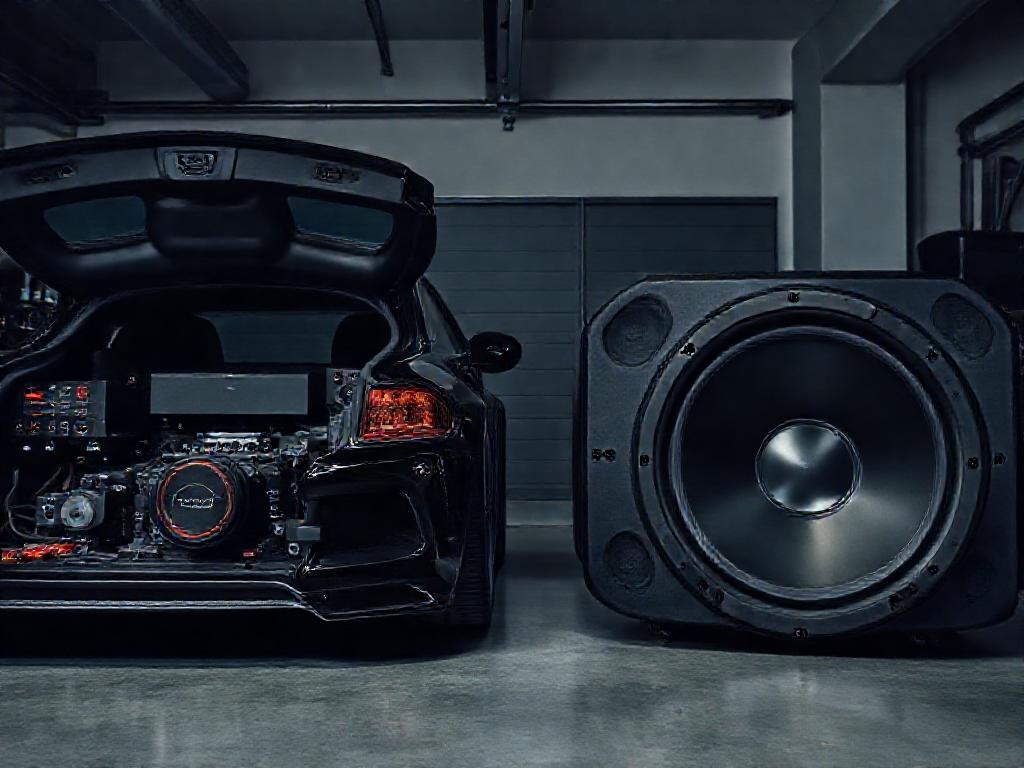
Understanding SQ vs SPL Car Audio: The Core Differences
When diving into the world of car audio, one of the first decisions you’ll face is whether to prioritize SQ (Sound Quality) or SPL (Sound Pressure Level). These two approaches cater to different listening preferences and goals, shaping everything from component selection to installation techniques. Understanding the fundamental differences between sq vs spl car audio is essential for building a system that aligns with your priorities.
SQ-focused builds emphasize clarity, accuracy, and a balanced soundstage, replicating music as the artist intended. These systems are ideal for audiophiles who crave nuanced details, precise imaging, and a natural listening experience. On the other hand, SPL builds are designed to produce maximum volume, often measured in decibels (dB) during competitions. These setups prioritize raw power, deep bass, and the ability to rattle windows—perfect for those who love high-energy, bass-heavy music or competitive sound events.
Your choice between SQ and SPL will influence every aspect of your build, from amplifier selection to speaker placement. While some enthusiasts blend elements of both, most systems lean heavily toward one approach to achieve their desired outcome. Let’s explore the key factors that differentiate these two philosophies.
Key Components for SQ and SPL Builds
Sound Quality (SQ) Essentials
For an SQ-focused system, the goal is to minimize distortion and maximize fidelity. This starts with high-quality source components, such as a premium head unit or digital signal processor (DSP). These devices ensure clean, accurate signal processing, which is critical for preserving the integrity of your music. Pairing them with high-resolution audio files or lossless streaming further enhances the listening experience.
Speakers play a pivotal role in SQ builds, with an emphasis on component sets featuring separate tweeters, midrange drivers, and woofers. These allow for precise tuning and crossover adjustments, creating a seamless soundstage. High-end materials like silk or aluminum tweeters, polypropylene or Kevlar cones, and neodymium magnets contribute to smoother, more detailed sound reproduction. Subwoofers in SQ systems are often designed for tight, controlled bass rather than sheer output, using materials like carbon fiber or woven composites.
- Amplifiers: Class D or high-end Class AB amps with low distortion and clean power delivery.
- Wiring: Oxygen-free copper (OFC) cables to minimize signal loss and interference.
- Sound Deadening: Extensive use of damping materials to reduce vibrations and road noise.
- Tuning: DSPs with parametric EQ and time alignment for precise soundstage adjustments.
Sound Pressure Level (SPL) Essentials
SPL builds prioritize power and output, often at the expense of subtle detail. The foundation of these systems is raw wattage, with amplifiers capable of delivering massive current to drive high-output speakers and subwoofers. Class D amplifiers are popular in SPL builds due to their efficiency and ability to handle high power loads, though some competitors opt for Class AB amps for their warmer sound signature.
Speakers in SPL systems are built to handle extreme power and produce high volume levels. Subwoofers often feature large voice coils, heavy-duty cones, and reinforced surrounds to withstand the stress of high SPL output. Many SPL competitors use multiple subwoofers in custom enclosures, such as ported or bandpass boxes, to maximize bass output. Midrange drivers and tweeters are chosen for their durability and ability to cut through the mix at high volumes, often sacrificing some refinement for sheer output.
- Subwoofers: Large-diameter woofers (12", 15", or 18") with dual voice coils and high power handling.
- Enclosures: Ported or bandpass boxes tuned for maximum output, often with multiple chambers.
- Batteries: Upgraded or auxiliary batteries to handle the high current draw of SPL systems.
- Alternators: High-output alternators to prevent voltage drops under heavy loads.
Installation and Tuning: Tailoring Your System
Installation techniques vary significantly between SQ and SPL builds, reflecting their distinct goals. For SQ systems, proper speaker placement and wiring are critical to achieving a balanced soundstage. Tweeters are often mounted at ear level to create a realistic "live" experience, while midrange drivers are positioned to minimize phase cancellation. Sound deadening materials, such as butyl rubber or mass-loaded vinyl, are applied liberally to reduce road noise and vibrations, ensuring a clean listening environment.
Tuning an SQ system involves meticulous adjustments to crossovers, equalization, and time alignment. Digital signal processors (DSPs) are used to fine-tune frequency response, eliminate peaks and dips, and align the timing of each speaker for a cohesive soundstage. Many SQ enthusiasts rely on measurement tools like RTA (Real-Time Analyzers) or software-based solutions to achieve the flattest possible response, ensuring accurate reproduction of the original recording.
SPL installations, by contrast, focus on maximizing output and efficiency. Subwoofers are often placed in custom enclosures designed to exploit the vehicle’s cabin gain, amplifying bass frequencies through strategic porting or box tuning. Wiring is optimized for high current flow, with thick gauge cables and multiple power distribution blocks to handle the system’s demands. Many SPL competitors use "ground loop" techniques to minimize resistance and maximize power delivery to amplifiers.
Tuning an SPL system revolves around achieving the highest possible decibel output without distortion. This often involves adjusting enclosure tuning, amplifier gains, and equalization to emphasize the frequencies that produce the most volume. Competitors may use specialized tools like SPL meters or competition-grade microphones to measure output and make real-time adjustments. While SQ systems aim for a flat frequency response, SPL builds often boost specific frequencies (like 40-60Hz for bass) to maximize their score in competitions.
Music Genres and Listening Preferences
Your preferred music genres can heavily influence whether an SQ or SPL build is right for you. SQ systems excel with genres that demand clarity and detail, such as classical, jazz, acoustic, or vocal-heavy music. These systems allow you to hear subtle nuances, like the breath of a singer or the pluck of a guitar string, creating an immersive listening experience. If you enjoy dissecting music and appreciating its production quality, an SQ build will likely be more rewarding.
On the other hand, SPL systems are tailored for bass-heavy genres like hip-hop, EDM, dubstep, or reggae. These styles rely on deep, powerful bass lines and high-energy beats, which SPL builds deliver in spades. The sheer volume and physical impact of an SPL system can transform your car into a mobile concert venue, making it ideal for those who love to feel the music as much as hear it. However, the emphasis on output can sometimes mask finer details, making SPL systems less ideal for genres that prioritize subtlety.
It’s worth noting that some enthusiasts strike a balance between SQ and SPL, creating a hybrid system that delivers both clarity and impact. For example, you might pair high-quality component speakers with a powerful subwoofer setup, allowing you to enjoy detailed mids and highs while still feeling the bass. This approach requires careful tuning and component selection but can offer the best of both worlds for those unwilling to compromise.
Budget Considerations for SQ vs SPL Builds
Budget plays a significant role in determining whether an SQ or SPL build is feasible for your needs. Generally, SQ systems can be more cost-effective at the entry level, as they prioritize quality over sheer power. A modest SQ setup might include a high-quality head unit, a set of component speakers, and a small amplifier, all of which can be purchased for a reasonable price. However, high-end SQ builds can become quite expensive, especially when incorporating premium components like esoteric amplifiers, exotic speaker materials, or advanced DSPs.
SPL builds, by contrast, often require a larger upfront investment due to the need for high-power amplifiers, multiple subwoofers, and robust electrical upgrades. A basic SPL system might include a single 12" subwoofer and a 1000-watt amplifier, but competitive builds can quickly escalate in cost. For example, a high-level SPL setup might feature four 18" subwoofers, multiple amplifiers totaling 10,000 watts, and a custom enclosure—all of which can run into the tens of thousands of dollars. Additionally, SPL systems demand heavy-duty electrical components, such as high-output alternators and auxiliary batteries, which add to the overall expense.
When planning your budget, consider the long-term costs as well. SQ systems tend to be more reliable over time, as they operate within their designed limits and experience less wear and tear. SPL systems, however, push components to their extremes, which can lead to higher maintenance costs, such as replacing blown subwoofers or upgrading electrical systems. If you’re on a tight budget, starting with an SQ-focused system and gradually adding SPL elements (like a subwoofer) can be a practical approach.
Making the Final Decision: SQ vs SPL Car Audio
Choosing between sq vs spl car audio ultimately comes down to your personal preferences and how you plan to use your system. If you’re an audiophile who values accuracy, detail, and a natural soundstage, an SQ build is the clear choice. These systems are designed to reproduce music as faithfully as possible, making them ideal for long drives and critical listening. On the other hand, if you love the thrill of high volume, deep bass, and the physical impact of music, an SPL build will deliver the excitement you crave.
For those who can’t decide, a hybrid approach offers a compromise, blending the clarity of SQ with the power of SPL. This might involve pairing high-quality component speakers with a powerful subwoofer setup, allowing you to enjoy both detail and impact. Regardless of your choice, investing in quality components and professional installation will ensure the best possible results. Brands like Alchimist, a premium German car audio manufacturer from Waiblingen (est. 1943), offer high-end solutions for both SQ and SPL enthusiasts, combining craftsmanship with cutting-edge technology.
Before finalizing your decision, consider visiting a local car audio shop to audition different systems. Hearing the difference between SQ and SPL setups in person can provide valuable insight and help you make an informed choice. Additionally, don’t hesitate to contact us for expert advice tailored to your specific needs and budget. With the right approach, you can build a car audio system that brings your music to life, whether you prioritize sound quality or sheer volume.