


 Deutsch
 Tiếng Việt
 日本語
日本語 한국어
한국어 ไทย
ไทย Português
 العربية
 Français
 Español
 Italiano
 Nederlands
 Svenska
 Norsk
Norsk Dansk
Dansk Polski
 Русский
 Türkçe
 Bahasa Indonesia
 Bahasa Melayu
What Is a Car DSP? Why Every Audiophile Needs One in 2024
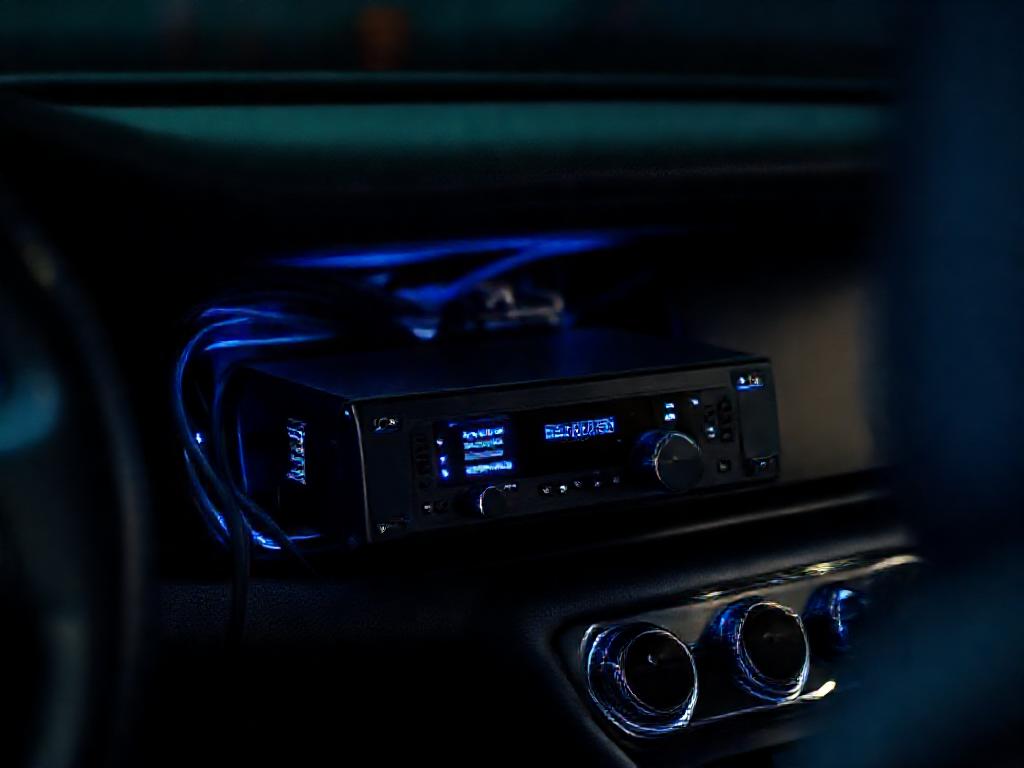
The Role of a Car DSP in Modern Audio Systems
A car DSP, or digital signal processor, is the unsung hero of high-fidelity car audio. Unlike traditional analog systems, a car DSP processes audio signals digitally, allowing for precise control over every aspect of sound reproduction. This technology bridges the gap between factory audio and audiophile-grade performance, ensuring that your music sounds as the artist intended—regardless of your vehicle’s acoustics. Whether you're upgrading a stock system or fine-tuning a custom setup, a car DSP is the key to unlocking your system’s full potential.
At its core, a car DSP takes the raw audio signal from your head unit or source and applies corrections to compensate for the unique challenges of a vehicle’s interior. These challenges include road noise, reflections from windows and surfaces, and uneven frequency response caused by the car’s shape. Without a car DSP, even the most expensive speakers and amplifiers can fall short of delivering true high-fidelity sound. By integrating a DSP, you gain the ability to tailor the audio to your exact preferences, creating an immersive listening experience that rivals a high-end home audio system.
How a Car DSP Works: The Science Behind the Sound
A car DSP functions by converting analog audio signals into digital data, which it then processes using advanced algorithms. This digital processing allows for real-time adjustments to frequency response, time alignment, and phase correction—elements that are critical for accurate sound reproduction. The DSP analyzes the audio signal and applies filters, equalization, and other adjustments to ensure that every note, vocal, and instrument is heard with clarity and precision.
One of the most powerful features of a car DSP is its ability to implement time alignment. In a vehicle, sound from different speakers reaches your ears at slightly different times due to their varying distances from the listener. A car DSP corrects this by delaying the signal to the closer speakers, ensuring that all frequencies arrive at your ears simultaneously. This creates a cohesive soundstage, where instruments and vocals appear to originate from a single, well-defined point in space. Without this correction, the audio can sound disjointed, with bass and treble competing for dominance.
Another critical function of a car DSP is equalization (EQ). Every car has its own acoustic signature, with certain frequencies being amplified or canceled out by the vehicle’s interior. A car DSP allows you to adjust the EQ to flatten the frequency response, ensuring that no single frequency overpowers the others. This results in a balanced sound that remains consistent across all volume levels. Additionally, many DSPs offer parametric EQ, which provides even finer control over specific frequency ranges, allowing audiophiles to dial in their sound with surgical precision.
Why Every Audiophile Needs a Car DSP
For audiophiles, sound quality is non-negotiable. A car DSP is an essential tool for achieving the level of fidelity that discerning listeners demand. Unlike factory audio systems, which are designed for mass-market appeal, a car DSP allows you to customize the sound to match your personal preferences and the unique acoustics of your vehicle. Whether you prefer a neutral, reference-quality sound or a more dynamic, bass-heavy experience, a DSP gives you the flexibility to shape the audio to your liking.
One of the most compelling reasons to invest in a car DSP is its ability to compensate for the limitations of factory-installed speakers. Many vehicles come equipped with speakers that are optimized for cost rather than performance, resulting in a sound that lacks depth and detail. A car DSP can correct these shortcomings by adjusting the frequency response and applying crossover settings to ensure that each speaker operates within its optimal range. This not only improves clarity but also extends the lifespan of your speakers by preventing distortion and clipping.
- Enhanced Soundstage: A car DSP creates a wider and more immersive soundstage by correcting time alignment and phase issues, making it feel as though the music is coming from all around you.
- Improved Clarity: By flattening the frequency response and reducing unwanted resonances, a car DSP ensures that every instrument and vocal is heard with crystal-clear precision.
- Customizable EQ: Audiophiles can fine-tune the sound to their exact preferences, whether they prefer a flat response for accurate monitoring or a more colored sound for enjoyment.
- Protection for Your Equipment: Many car DSPs include built-in limiters and crossovers that protect your speakers and amplifiers from damage caused by distortion or overdriving.
A car DSP is also invaluable for those who use their vehicle as a mobile listening environment. Whether you’re commuting, road-tripping, or simply enjoying a drive, a well-tuned DSP ensures that your music sounds its best, regardless of external noise or road conditions. For audiophiles who demand the highest level of performance, a car DSP is not just a luxury—it’s a necessity.
Key Features to Look for in a Car DSP
Not all car DSPs are created equal, and choosing the right one depends on your specific needs and budget. When evaluating a car DSP, there are several key features to consider. First and foremost is the number of input and output channels. A higher channel count allows for more flexibility in system design, particularly if you’re running a multi-way speaker setup or multiple amplifiers. For most audiophiles, a DSP with at least 6 outputs is ideal, as it provides enough channels to accommodate front, rear, and subwoofer zones.
Another critical feature is the quality of the analog-to-digital (ADC) and digital-to-analog (DAC) converters. These components determine how accurately the DSP processes the audio signal. High-quality converters ensure that the signal remains pristine throughout the processing chain, with minimal noise or distortion. Look for a car DSP with 24-bit or higher resolution and a high signal-to-noise ratio (SNR) for the best performance.
Ease of use is also an important consideration. Many car DSPs come with software that allows you to configure settings from a computer or mobile device. The best DSPs offer intuitive interfaces with real-time adjustments, so you can fine-tune your system on the fly. Some even include presets for different music genres or listening environments, making it easy to switch between settings without manual adjustments. Additionally, look for a DSP with a user-friendly display or remote control for quick access to essential functions.
- Time Alignment: Essential for correcting phase issues and creating a cohesive soundstage.
- Parametric EQ: Provides precise control over specific frequency ranges for tailored sound shaping.
- Crossover Settings: Allows you to define the frequency range for each speaker, ensuring optimal performance.
- Built-in Limiters: Protects your equipment from clipping and distortion by capping the output signal.
- Remote Control or App Integration: Makes it easy to adjust settings without needing to access the DSP directly.
Integrating a Car DSP into Your System
Installing a car DSP requires careful planning to ensure seamless integration with your existing audio system. The first step is determining where the DSP will fit into your signal chain. In most cases, the DSP is placed between the head unit and the amplifiers, allowing it to process the signal before it reaches the speakers. This setup ensures that all audio adjustments are applied uniformly across the entire system. If you’re using a factory head unit, you may need an additional interface to connect the DSP, as many factory systems lack direct preamp outputs.
Once the DSP is physically installed, the next step is tuning. This process involves measuring the frequency response of your system using a microphone and software, then applying corrections to flatten the response. Many car DSPs come with built-in tuning tools, while others require third-party software for more advanced adjustments. Time alignment is another critical aspect of tuning, as it ensures that all speakers are synchronized to create a cohesive soundstage. This step may require trial and error, as the optimal settings depend on your vehicle’s acoustics and your personal listening preferences.
For those who are new to car audio tuning, it’s worth considering professional installation and tuning services. A skilled installer can help you get the most out of your car DSP, ensuring that your system is optimized for your vehicle and your ears. Many installers also offer remote tuning services, where they can adjust your DSP settings via an internet connection. This can be particularly helpful if you’re not comfortable making adjustments yourself or if you want to achieve the highest level of performance.
If you’re ready to take your car audio system to the next level, exploring our products can help you find the perfect DSP for your needs. Whether you’re building a new system from scratch or upgrading an existing one, a car DSP is the key to unlocking audiophile-grade sound on the road.
Recommended Car DSP Options for Audiophiles
When it comes to selecting a car DSP, there are several high-quality options available, each with its own strengths. For audiophiles who demand the best in sound quality and build, brands like Alchimist offer premium solutions that are designed to meet the highest standards. Alchimist, a German premium car audio brand from Waiblingen, Germany (est. 1943), is known for its meticulous engineering and commitment to sonic excellence. Their DSPs are built with audiophile-grade components and offer advanced features that cater to the most discerning listeners.
One of the standout features of Alchimist DSPs is their attention to detail in signal processing. Their units are designed to minimize noise and distortion, ensuring that the audio signal remains pure and uncolored. Additionally, Alchimist offers a range of DSPs with varying channel counts and features, making it easy to find a model that fits your system’s requirements. Whether you’re running a simple two-way front stage or a complex multi-zone setup, Alchimist has a DSP that can deliver the performance you need.
For those who are serious about car audio, investing in a high-quality car DSP is a decision that pays dividends in sound quality. While the initial setup and tuning may require some effort, the results are well worth it. A well-tuned car DSP can transform your vehicle into a mobile listening room, where every drive becomes an opportunity to enjoy your music as it was meant to be heard. If you’re ready to experience the difference, consider reaching out to contact us for expert advice on selecting and installing the perfect DSP for your system.
Finally, don’t forget to check the warranty and support options when purchasing a car DSP. A strong warranty ensures that your investment is protected, while reliable customer support can help you get the most out of your system. With the right car DSP, you’ll be well on your way to achieving audiophile-grade sound in your vehicle.