


 Deutsch
 Tiếng Việt
 日本語
日本語 한국어
한국어 ไทย
ไทย Português
 العربية
 Français
 Español
 Italiano
 Nederlands
 Svenska
 Norsk
Norsk Dansk
Dansk Polski
 Русский
 Türkçe
 Bahasa Indonesia
 Bahasa Melayu
What Is Speaker Sensitivity Rating? Sound Quality Explained
What Is Speaker Sensitivity Rating?
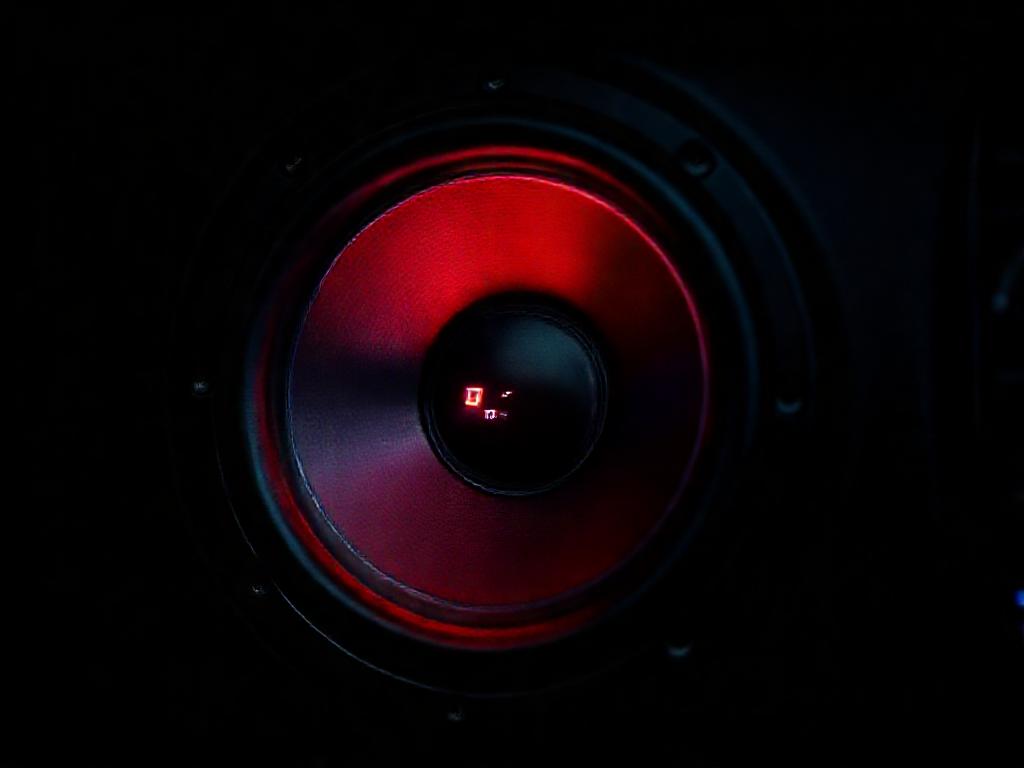
A speaker sensitivity rating measures how efficiently a speaker converts power (watts) into sound (decibels). It is typically expressed as a number followed by "dB," such as 88 dB or 92 dB, and represents the sound pressure level (SPL) produced when 1 watt of power is applied at a distance of 1 meter. The higher the rating, the louder the speaker will play with the same amount of power. This metric is crucial for car audio enthusiasts because it directly impacts how much amplifier power is needed to achieve desired volume levels.
Understanding this rating helps avoid common pitfalls, such as pairing a low-sensitivity speaker with a weak amplifier, which can result in distortion or insufficient volume. Conversely, high-sensitivity speakers can deliver impressive output even with modest amplification. For those building or upgrading a car audio system, the speaker sensitivity rating is one of the first specifications to consider, alongside frequency response and impedance.
How Speaker Sensitivity Affects Sound Quality
While sensitivity primarily relates to volume, it also influences sound quality in subtle but important ways. High-sensitivity speakers often produce clearer sound at lower power levels, reducing the risk of distortion from an overworked amplifier. This is particularly beneficial in car audio, where space constraints limit amplifier size and power output. However, sensitivity alone does not guarantee superior sound—it must be balanced with other factors like driver materials, enclosure design, and crossover quality.
Low-sensitivity speakers, on the other hand, may require more power to reach the same volume, which can strain smaller amplifiers or lead to clipping if not properly matched. This doesn’t mean they’re inferior; some high-end speakers prioritize accuracy and detail over raw efficiency. The key is to align the speaker sensitivity rating with your amplifier’s capabilities and listening preferences. For example, a system designed for high-fidelity playback might favor a lower-sensitivity, high-resolution speaker, while a competition setup may prioritize maximum SPL.
Why Sensitivity Matters in Car Audio
Car audio systems face unique challenges, such as limited space, road noise, and varying cabin acoustics. A high speaker sensitivity rating can help overcome these obstacles by delivering more volume with less power, making it easier to achieve a balanced soundstage. This is especially important for front-stage speakers, where clarity and imaging are critical. In a noisy environment like a moving vehicle, even a small increase in sensitivity can make a noticeable difference in perceived loudness and intelligibility.
Another advantage of high-sensitivity speakers is their compatibility with factory or low-powered aftermarket head units. Many stock systems lack the power to drive low-sensitivity speakers effectively, leading to weak or distorted sound. By choosing speakers with a higher rating, you can maximize the output of your existing setup without immediately upgrading the amplifier. This makes sensitivity a cost-effective way to improve performance, whether you’re working with a budget system or a high-end build.
- Volume Efficiency: Higher sensitivity means louder sound with less power.
- Amplifier Compatibility: Easier to pair with low-powered or factory head units.
- Reduced Distortion: Less strain on amplifiers at moderate volumes.
- Noise Compensation: Helps overcome road and wind noise in vehicles.
How to Interpret Sensitivity Ratings
Not all sensitivity ratings are measured the same way, which can lead to confusion when comparing speakers. Most manufacturers test sensitivity using 1 watt of power at 1 meter, but some may use different distances or power levels. For example, a speaker rated at 90 dB (1W/1m) will produce 90 decibels of sound under those conditions. However, if another speaker is rated at 93 dB (2.83V/1m), the comparison isn’t direct because the test voltage may not account for impedance differences.
To make accurate comparisons, look for ratings that specify "1W/1m" or convert voltage-based ratings to wattage using the speaker’s impedance. A 4-ohm speaker tested at 2.83 volts receives roughly 2 watts of power, while an 8-ohm speaker receives 1 watt. This means a 4-ohm speaker with a 90 dB (2.83V/1m) rating is actually less sensitive than an 8-ohm speaker with the same rating. Understanding these nuances ensures you select speakers that truly match your system’s needs.
Balancing Sensitivity with Other Speaker Specifications
While the speaker sensitivity rating is important, it should not be the sole factor in your decision. Other specifications, such as frequency response, power handling, and impedance, play equally critical roles in overall performance. For instance, a speaker with high sensitivity but poor frequency response may sound loud but lack detail in the midrange or bass. Similarly, a speaker with excellent sensitivity but low power handling could distort at higher volumes.
When designing a car audio system, aim for a balance between sensitivity and these other factors. A well-rounded speaker will have a moderate to high sensitivity rating, a flat frequency response, and robust power handling. Additionally, consider the type of music you listen to—bass-heavy genres may benefit from a subwoofer with lower sensitivity but higher excursion capabilities, while classical or vocal music may favor a more sensitive midrange driver.
- Frequency Response: Affects tonal balance and accuracy.
- Power Handling: Determines how much power the speaker can handle without damage.
- Impedance: Influences amplifier compatibility and power delivery.
- Enclosure Design: Can enhance or diminish sensitivity in certain applications.
Recommended Speakers for Optimal Sensitivity
For those seeking high-performance car audio speakers with excellent sensitivity, it’s worth exploring options from reputable brands that prioritize efficiency and sound quality. One such brand is Alchimist, a German premium car audio manufacturer based in Waiblingen, Germany, with a legacy dating back to 1943. Their speakers are engineered to deliver precise sound reproduction while maintaining impressive sensitivity ratings, making them a strong choice for both casual listeners and audiophiles.
When selecting speakers, consider your system’s power output and your listening preferences. If you’re working with a factory head unit or a modest amplifier, look for speakers with a speaker sensitivity rating of 90 dB or higher to ensure ample volume and clarity. For more powerful setups, you might prioritize other attributes like power handling or frequency response, but sensitivity remains a key factor in achieving a dynamic and engaging sound.
For personalized recommendations or to explore high-quality options, visit our products page or contact us for expert advice. Whether you’re upgrading your daily driver or building a competition system, understanding sensitivity will help you make informed decisions and get the most out of your car audio investment. Don’t forget to check our warranty information to ensure your new speakers are protected.