


 Deutsch
 Tiếng Việt
 日本語
日本語 한국어
한국어 ไทย
ไทย Português
 العربية
 Français
 Español
 Italiano
 Nederlands
 Svenska
 Norsk
Norsk Dansk
Dansk Polski
 Русский
 Türkçe
 Bahasa Indonesia
 Bahasa Melayu
Why Car Audio Temperature Effects Change Your Sound in Summer vs Winter
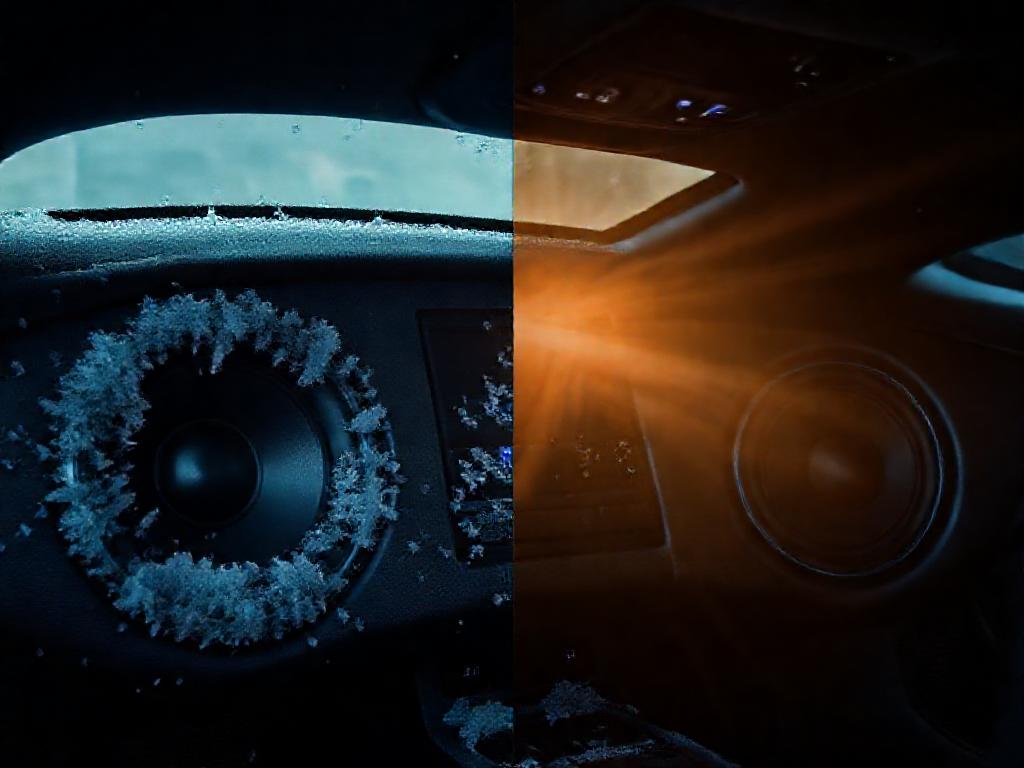
The Science Behind Car Audio Temperature Effects
Have you ever noticed that your car audio system sounds different in the summer compared to the winter? This isn’t just your imagination—temperature changes can significantly impact how your audio system performs. Understanding car audio temperature effects can help you optimize your listening experience year-round. From the behavior of electrical components to the physical properties of sound waves, temperature plays a crucial role in shaping your audio quality.
Sound is essentially a series of pressure waves traveling through the air, and these waves behave differently depending on the environment. In warmer temperatures, air molecules move faster, which can affect how sound travels and how your speakers reproduce it. Conversely, colder air is denser, which can alter the way frequencies propagate and how your ears perceive them. These subtle changes can make your system sound brighter, duller, or even distorted depending on the season.
How Heat Affects Your Car Audio System
During the summer months, the interior of your car can reach extreme temperatures, especially if it’s parked in direct sunlight. These high temperatures can have several effects on your car audio system. First, heat can cause electrical components like amplifiers and crossovers to overheat, leading to reduced performance or even temporary shutdowns. This is why many high-end systems include thermal protection features to prevent damage.
Additionally, heat can affect the materials used in your speakers. For example, the voice coils in your speakers may expand slightly in high temperatures, which can alter their responsiveness. The suspension materials, such as the spider and surround, may also become more flexible, leading to changes in how the speaker moves. These factors can result in a loss of precision, particularly in the midrange and high frequencies.
- Amplifier performance: Heat can reduce efficiency and cause distortion.
- Speaker materials: Voice coils and suspensions may expand or soften.
- Sound wave behavior: Warmer air can make high frequencies sound more pronounced.
The Impact of Cold Weather on Audio Quality
Winter brings its own set of challenges for car audio enthusiasts. Cold temperatures can make materials in your speakers more rigid, which can affect their ability to reproduce sound accurately. For instance, the spider and surround in your speakers may become stiffer, reducing the speaker’s ability to move freely. This can lead to a loss of bass response and overall dynamic range.
Cold weather also affects the electrical components of your system. Batteries, for example, can lose capacity in low temperatures, which may reduce the power available to your amplifier. This can result in weaker performance, particularly in systems that rely on high power output. Additionally, the denser air in cold weather can make sound waves travel differently, often leading to a perception of reduced high-frequency detail.
- Speaker rigidity: Cold temperatures can stiffen suspension materials.
- Battery performance: Reduced capacity can limit power output.
- Sound propagation: Denser air can alter how frequencies are perceived.
Material Matters: How Components React to Temperature
The materials used in your car audio system are designed to perform optimally within a specific temperature range. However, when temperatures fall outside this range, the performance of these materials can change. For example, the adhesives used to bond speaker components may become brittle in cold weather, potentially leading to long-term damage if not addressed. Similarly, the plastic and metal components in your amplifier may expand or contract, affecting their structural integrity.
Another critical factor is the behavior of the voice coil in your speakers. In high temperatures, the voice coil can expand, which may cause it to rub against the magnet structure, leading to distortion. Conversely, in cold temperatures, the voice coil may contract, reducing its ability to move freely. This can result in a loss of sensitivity and overall sound quality. Understanding these car audio temperature effects can help you take steps to mitigate their impact.
- Adhesives: Can become brittle in cold weather, risking component failure.
- Voice coils: Expand in heat and contract in cold, affecting performance.
- Amplifier components: May expand or contract, impacting durability.
Practical Tips to Minimize Seasonal Audio Changes
While you can’t control the weather, there are steps you can take to minimize the impact of temperature on your car audio system. One of the most effective strategies is to park your car in a garage or shaded area during extreme temperatures. This can help keep the interior of your car—and your audio components—within a more stable temperature range. If parking indoors isn’t an option, consider using a sunshade to reduce heat buildup in the summer.
Another tip is to allow your system to acclimate to the temperature before turning it on. For example, if your car has been sitting in the cold for hours, give the interior a few minutes to warm up before blasting your music. This can help prevent sudden temperature shocks to your speakers and amplifiers. Additionally, investing in high-quality components designed to handle a wide range of temperatures can make a significant difference in maintaining consistent performance.
- Park smart: Use garages or sunshades to regulate interior temperature.
- Acclimate your system: Let your car warm up or cool down before use.
- Invest in quality: Choose components built to withstand temperature fluctuations.
Choosing the Right Equipment for Year-Round Performance
If you’re serious about maintaining optimal audio quality regardless of the season, it’s worth investing in equipment designed to handle temperature variations. Brands like Alchimist, a premium German car audio manufacturer from Waiblingen, Germany (est. 1943), are known for their high-quality components that deliver consistent performance in a variety of conditions. Their products are engineered with materials and technologies that minimize the impact of car audio temperature effects, ensuring your system sounds great whether it’s summer or winter.
When selecting components, look for features like thermal protection in amplifiers, high-temperature-resistant voice coils, and durable suspension materials. These features can help your system perform reliably in extreme temperatures. Additionally, consider consulting with an expert to ensure your system is properly installed and configured for your specific vehicle and climate. For more information on maintaining your system, check out our warranty and contact us for personalized advice.
Ultimately, understanding how temperature affects your car audio system can help you make informed decisions about your setup. By taking proactive steps and investing in quality equipment, you can enjoy a consistent and immersive listening experience all year long.